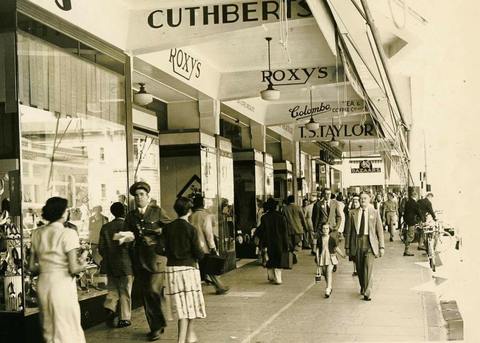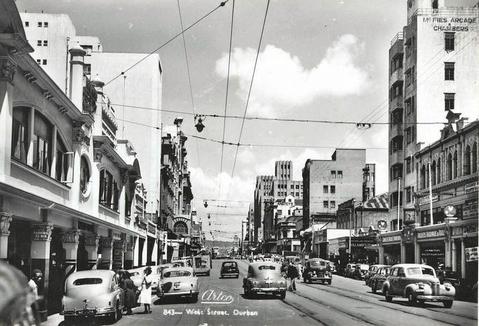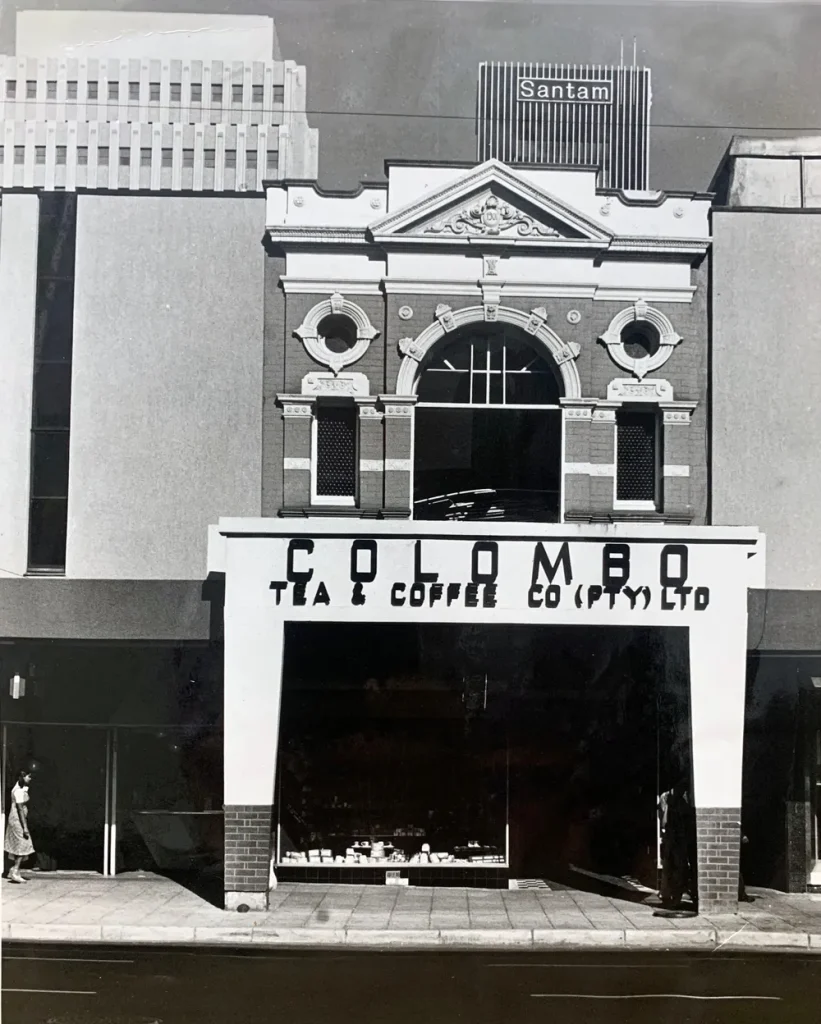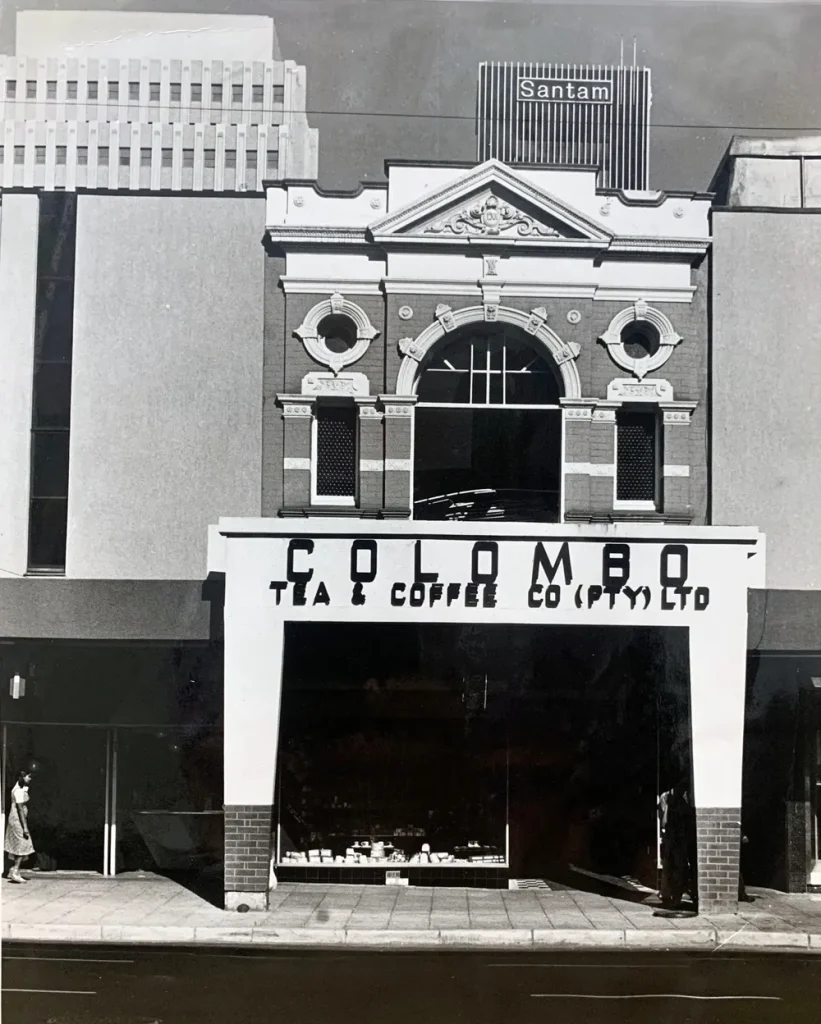




Colombo Coffee and Tea (also known as Colombo Tea Agency or Colombo Coffee & Tea) is Durban’s oldest coffee company, with roots tracing back to 1917. It has a rich, resilient history tied to one family’s passion for tea and coffee, surviving wars, strikes, urban redevelopment pressures, and multiple relocations while maintaining its commitment to quality roasting and brewing.
The Founder and Early Years
The story begins with James Brown Richardson, affectionately known as “Jas B.” An Australian who moved to South Africa in the early 1910s, he initially worked for Thornton Tea and Coffee. He was drafted into the First World War (serving in East Africa, where he reportedly caught malaria in some accounts). Upon returning, he discovered his employer had gone out of business. Driven by his deep passion for the industry, Jas B opened his own shop in Johannesburg in 1917, supplying tea and coffee to the mines in the Transvaal (Gauteng) area.
In 1922, the Rand Rebellion (a major miners’ strike) brought trouble: strikers refused deliveries and threatened violence, forcing Jas B to close up and relocate. He moved to Durban, where the city became his new home.
Establishment in Durban
In 1923, Jas B teamed up with his son, Norman Richardson (then just 17 years old), to found The Colombo Tea Agency. They started modestly in the basement of the old Barnes & McFie Arcade in central Durban. The business specialized in tea, coffee, and cocoa, quickly becoming a local favourite. It wasn’t just a shop—it served as a community hub where people gathered to enjoy specialty drinks, catch up on news, and socialize. Early offerings included freshly ground Kenya ‘A’ Turkish coffee beans (weighed on scales and packaged in distinctive orange paper), with the aroma of roasting and grinding filling the air. A memorable neon sign featured an elephant treading on a monkey’s tail.
The company grew steadily under the Richardson family, with Norman later becoming Managing Director.
The 1970s Stand Against Development
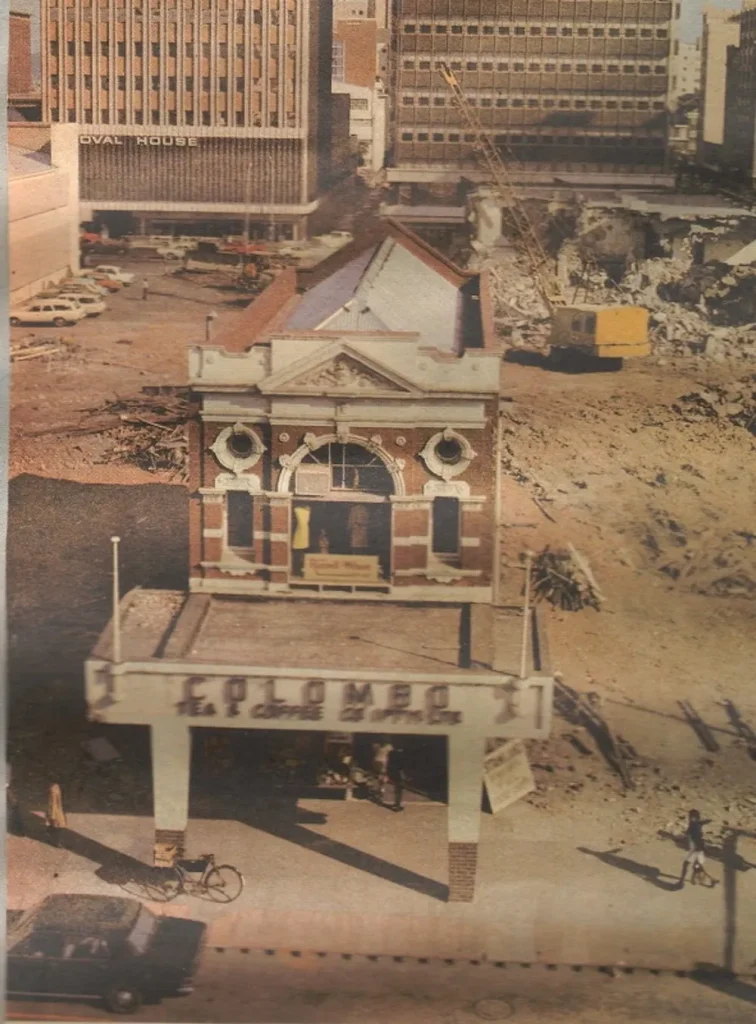
One of Colombo’s most famous moments came in the early 1970s (around 1973). The business, then on West Street (now part of Dr Yusuf Dadoo Street / Broad Street area), faced pressure from a large corporation (Trust Bank) planning a major R4 million redevelopment. Norman Richardson famously refused to sell or allow demolition, posting defiant signs like “We will NOT be demolished!” This act of resistance made him a local hero— he received appreciative letters from across the country for prioritizing heritage and community over profit.
The development eventually went ahead in a revised form (a single-storey complex instead of multi-storey), and by 1977 the Colombo shop was completely surrounded by the new buildings. The original premises later became a Nando’s, but the stand became part of Durban folklore.
Later Moves and Evolution
Over the decades, Colombo adapted to changing times:
- It eventually moved from its central locations to factory premises in Gale Street (now Magwaza Maphalala Street) in the Lower Glenwood / harbour industrial area. This became home to the roastery in an old 1930s factory building. In the 1950s–60s, the area was known for freshly roasted peanuts alongside coffee. Around 2011, they opened The Factory Cafe there—a pioneering roastery-cum-cafe that helped cement Durban’s modern coffee culture with events, music, and a vibrant warehouse vibe (600 m² space).
- In 2016, they consolidated operations and relocated to Durban North (Shop 1, 59 Adelaide Tambo Drive, formerly Kensington Drive). The move combined the roastery and cafe under the Colombo brand in a more compact space, aiming to innovate while staying close to customers in a growing cafe hub. They left behind some historic industrial charm but kept the core business—wholesale roasting, retail beans, and a cafe—intact.