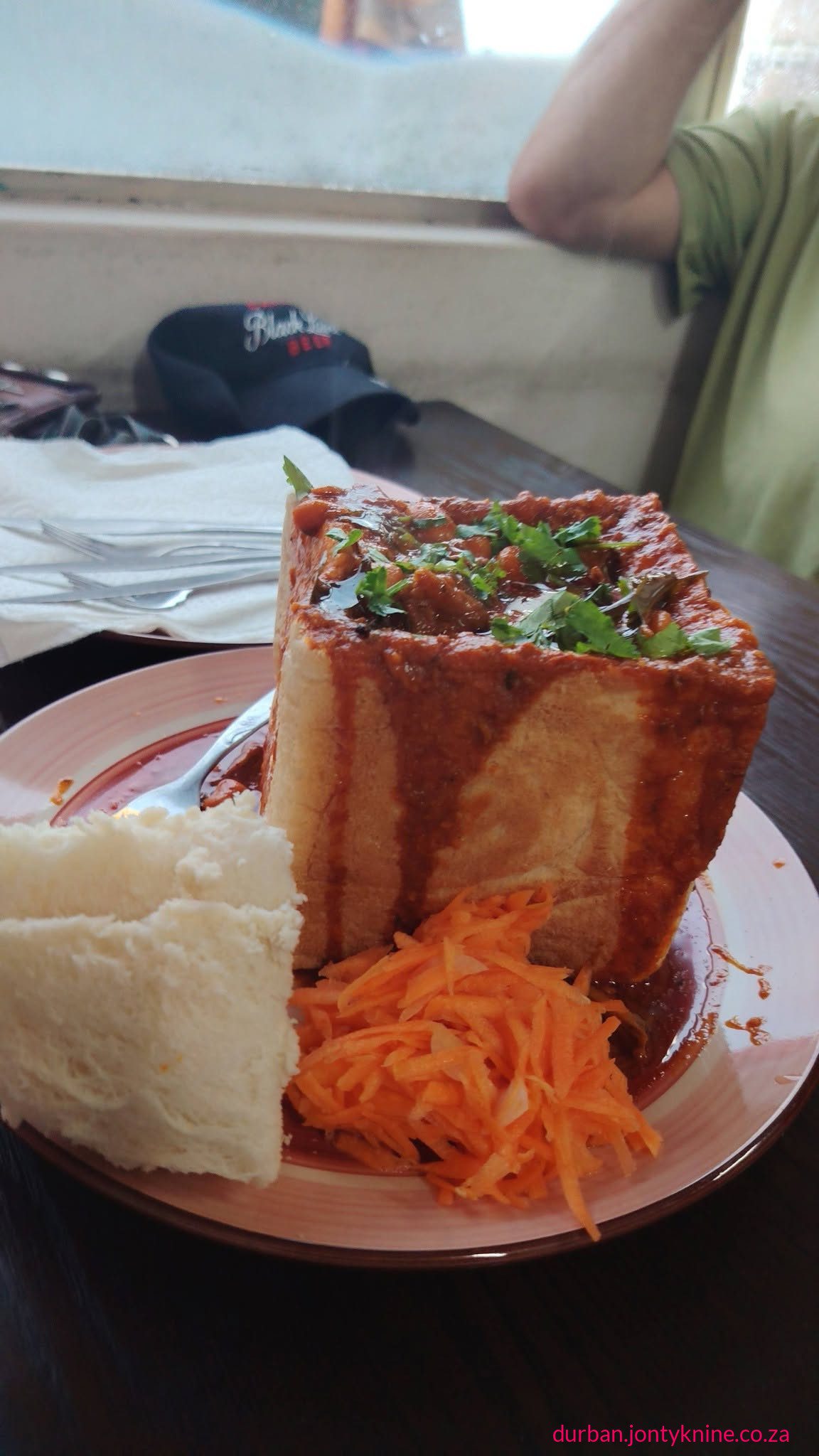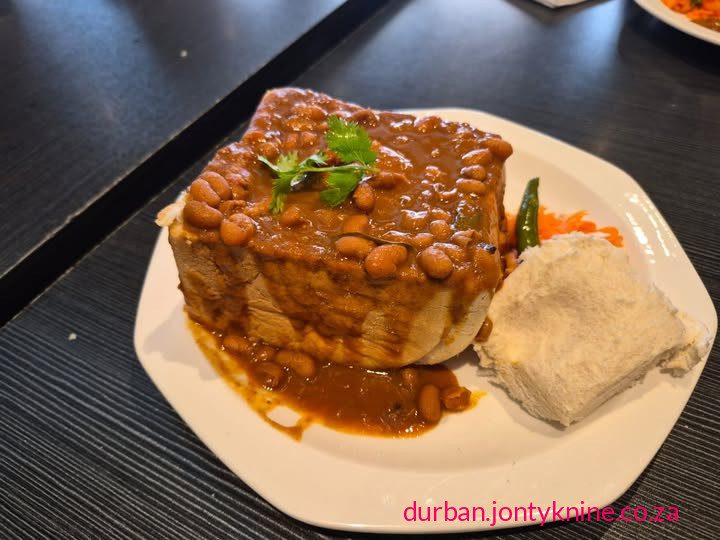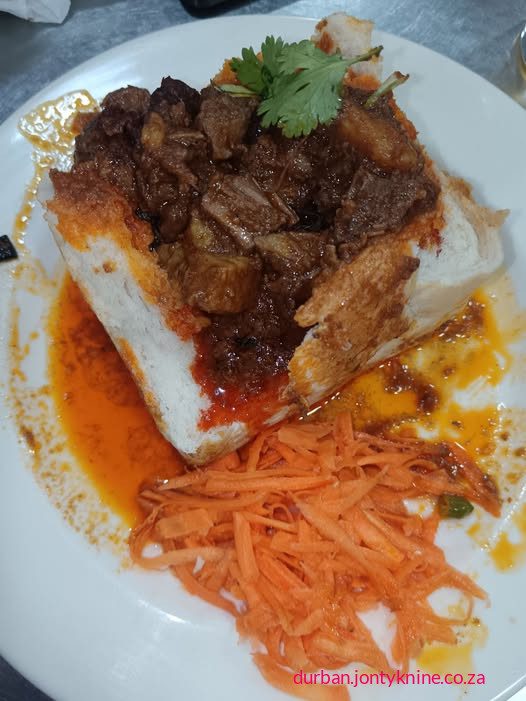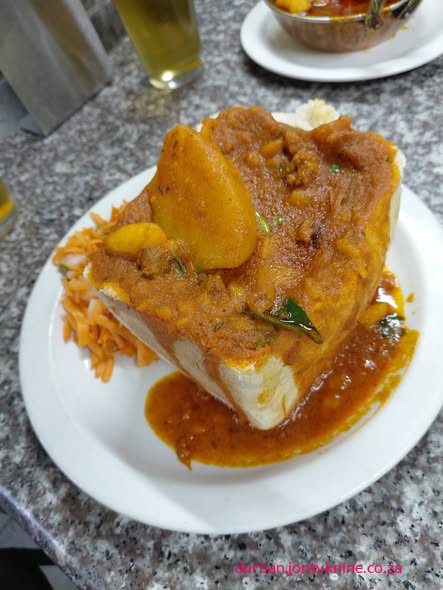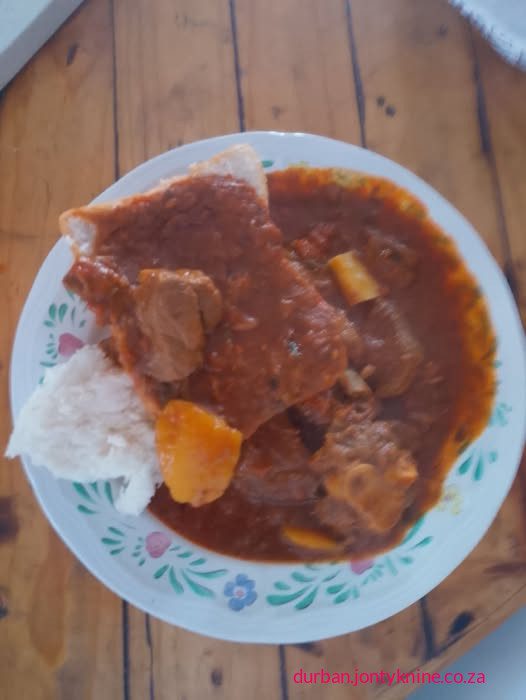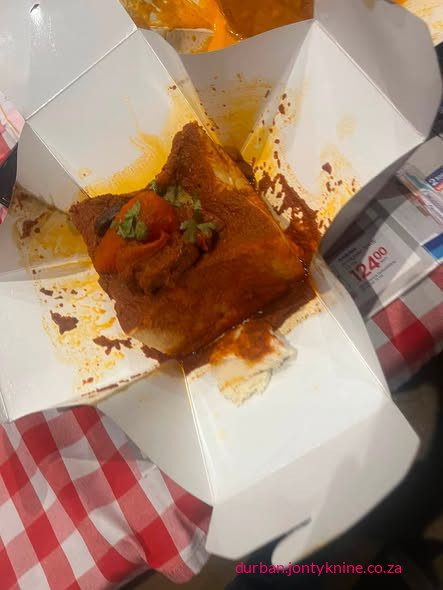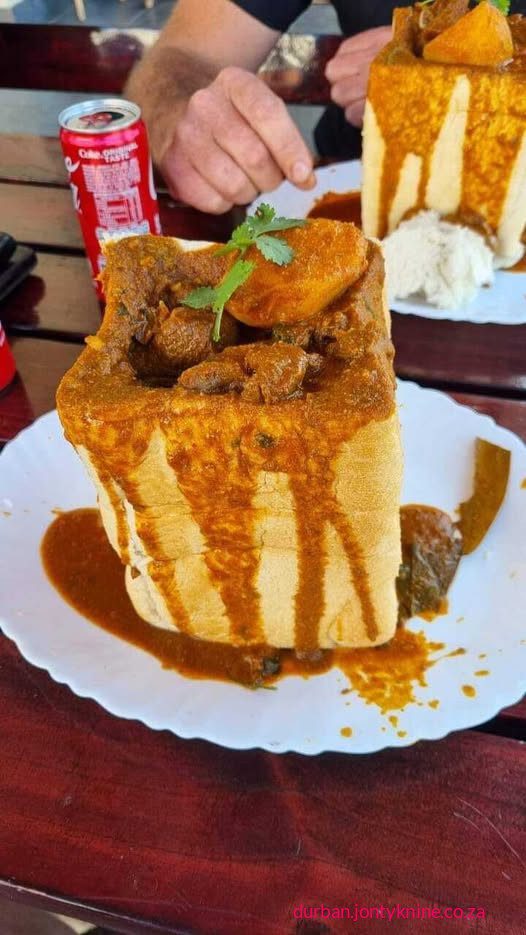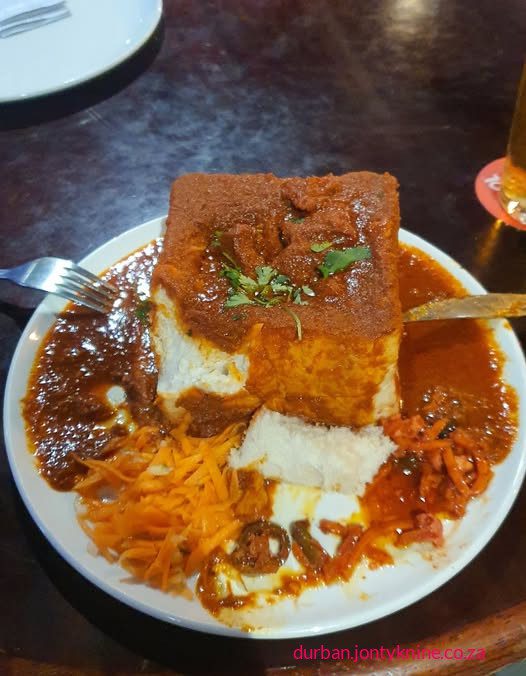





Category: Bunny Chows
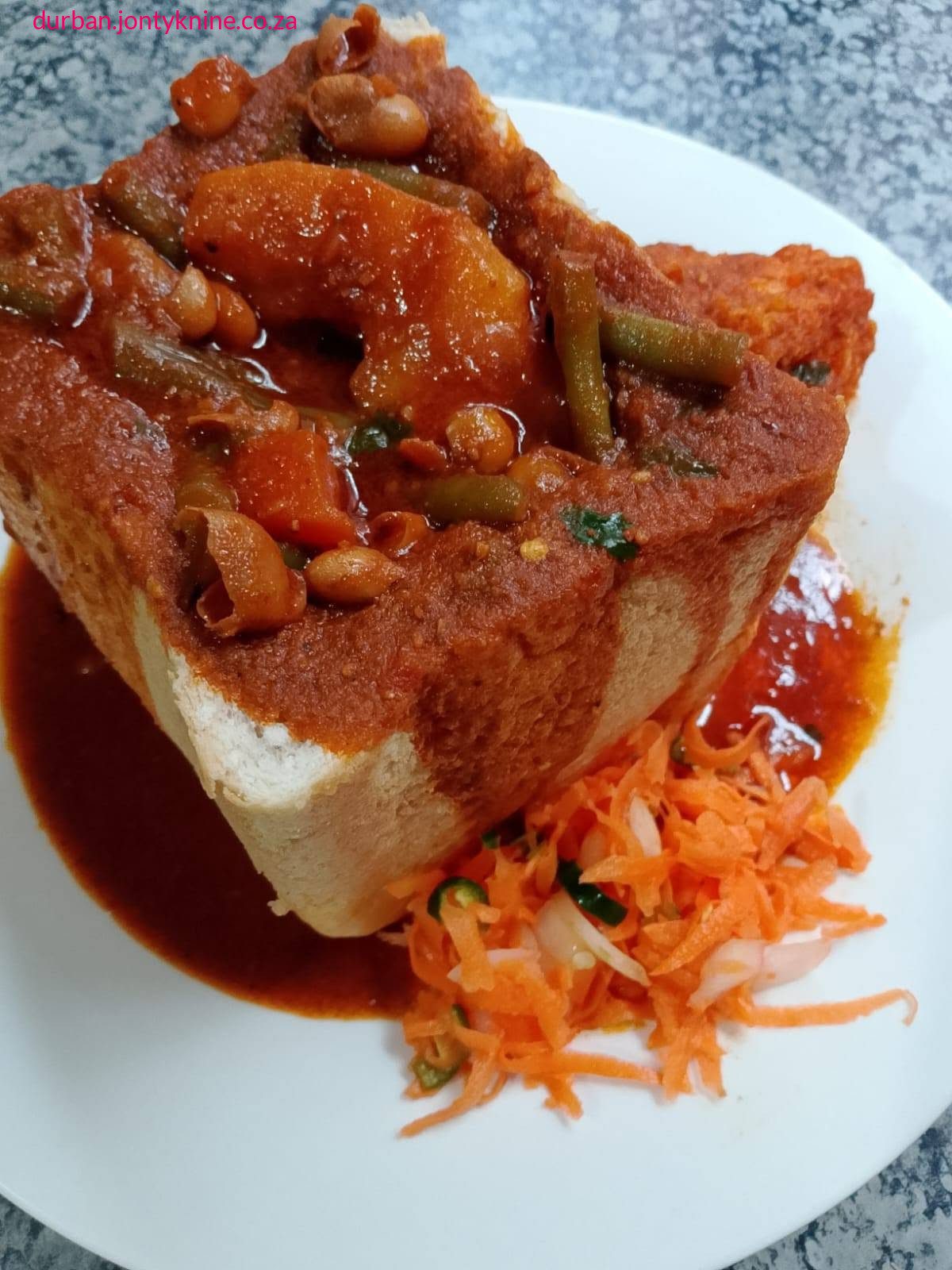
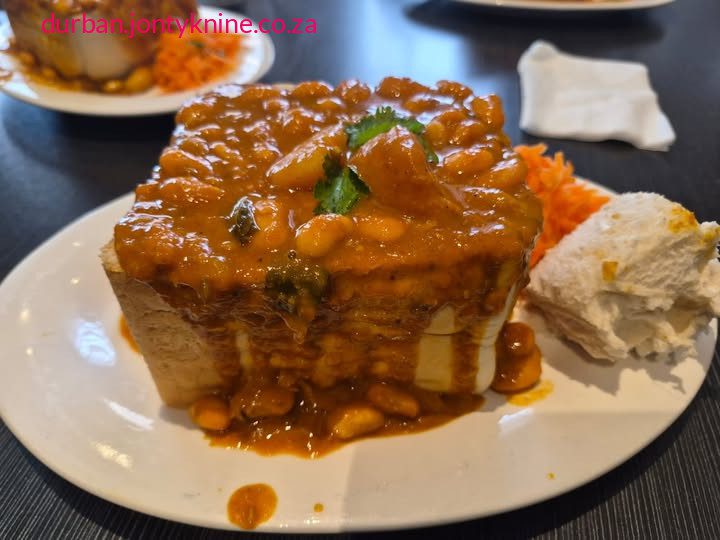
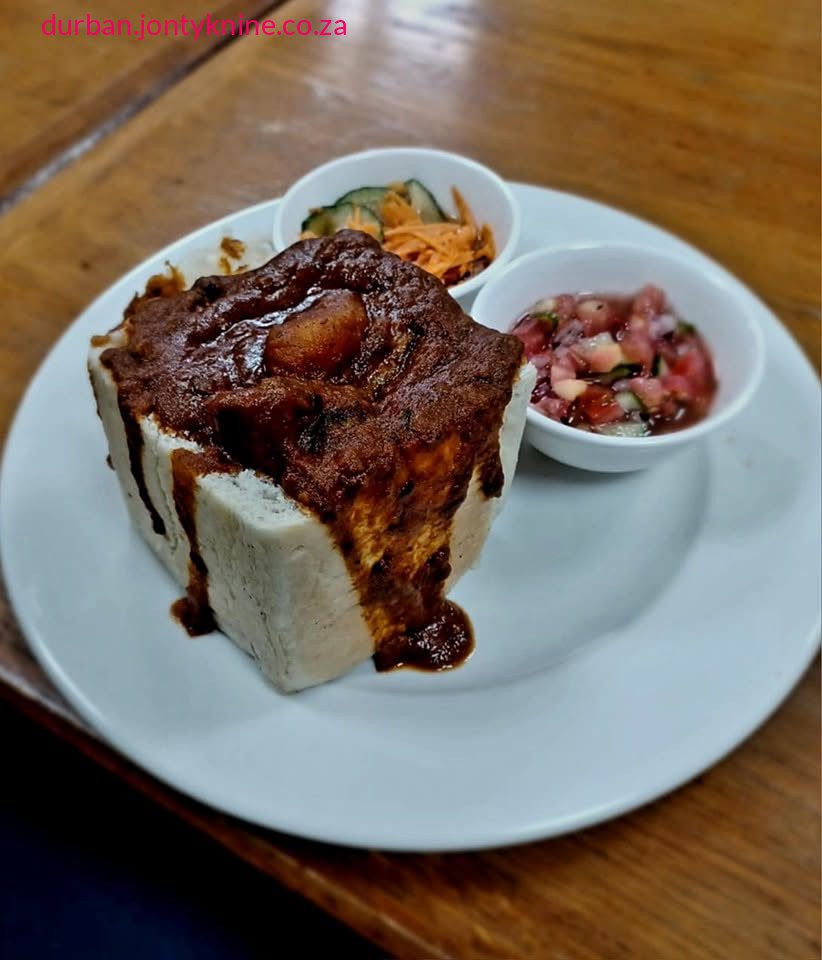
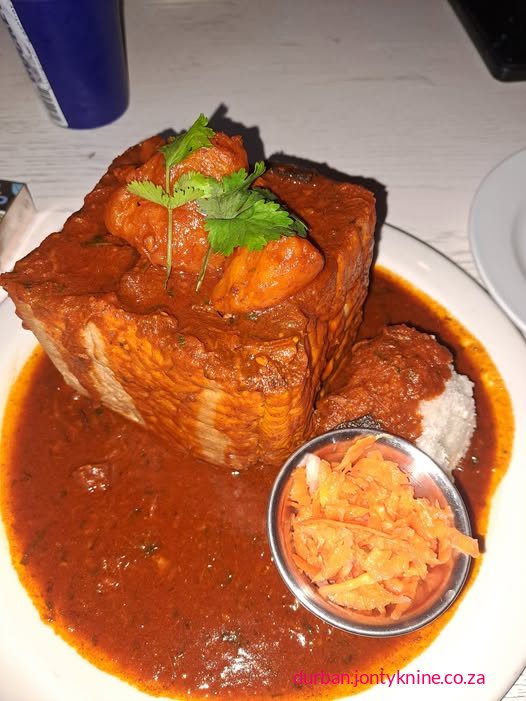
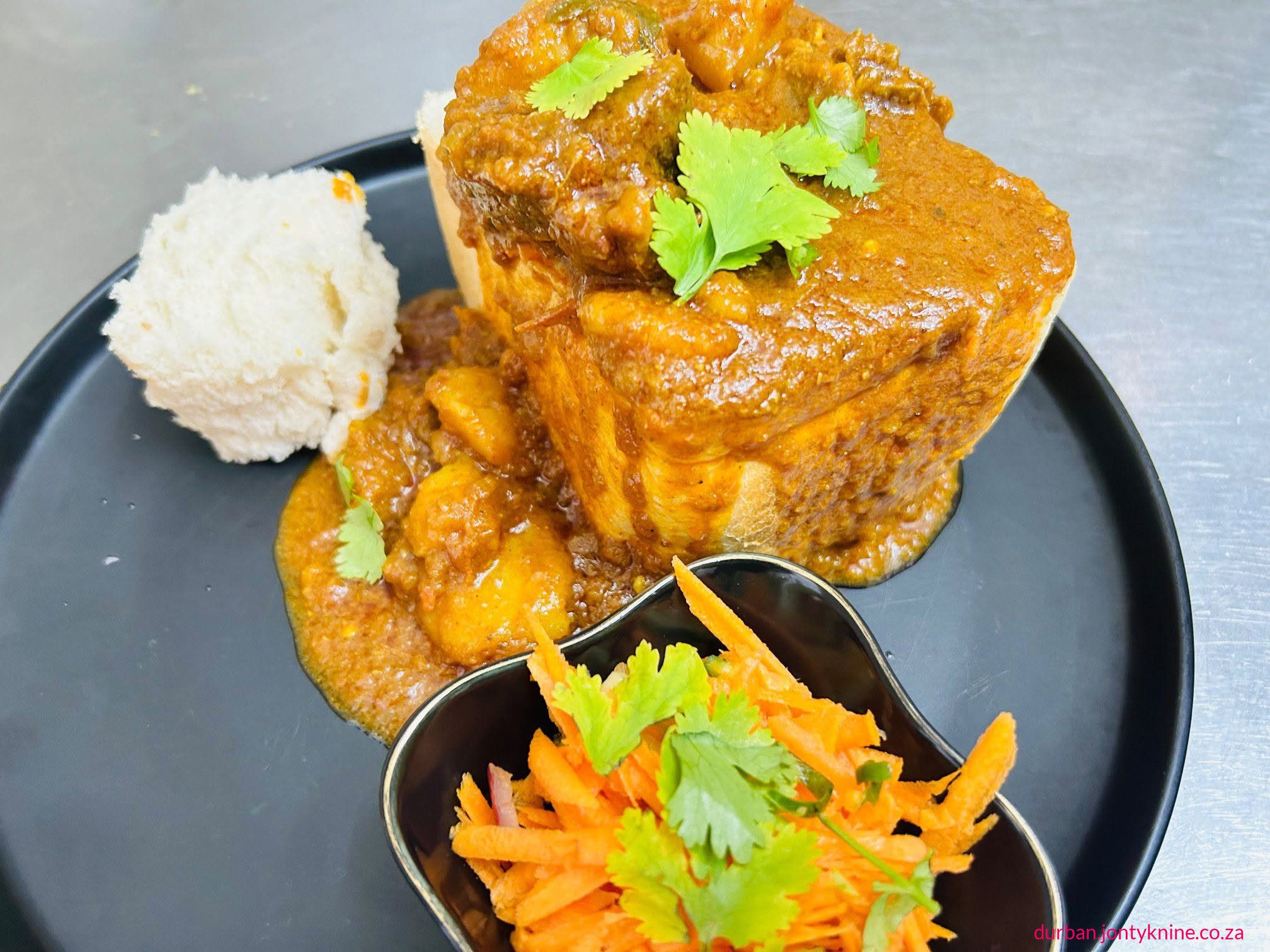
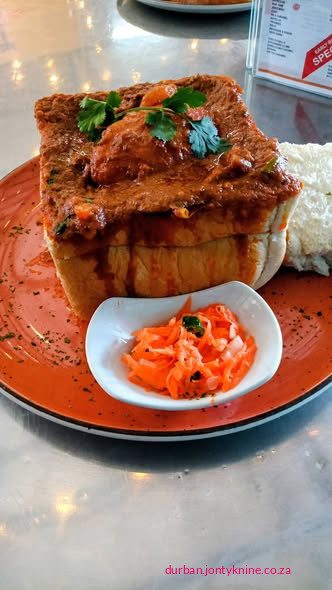
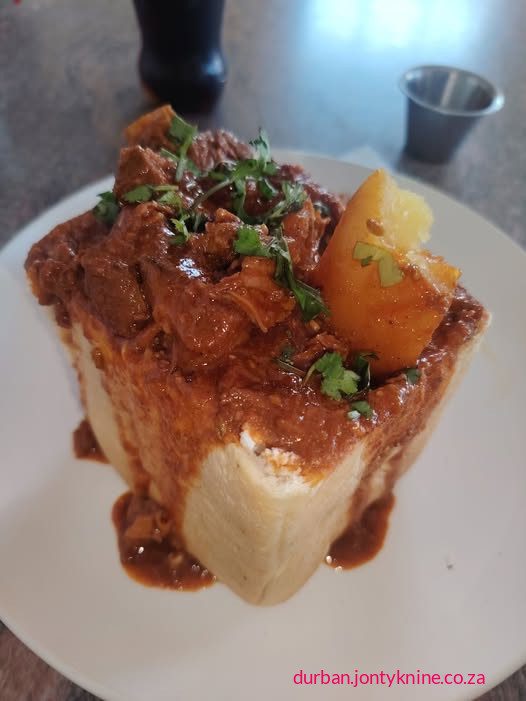
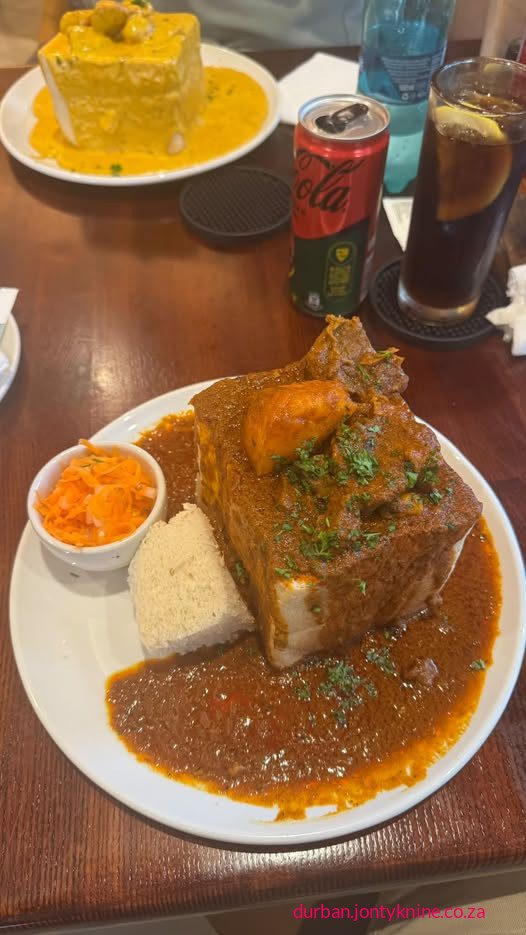
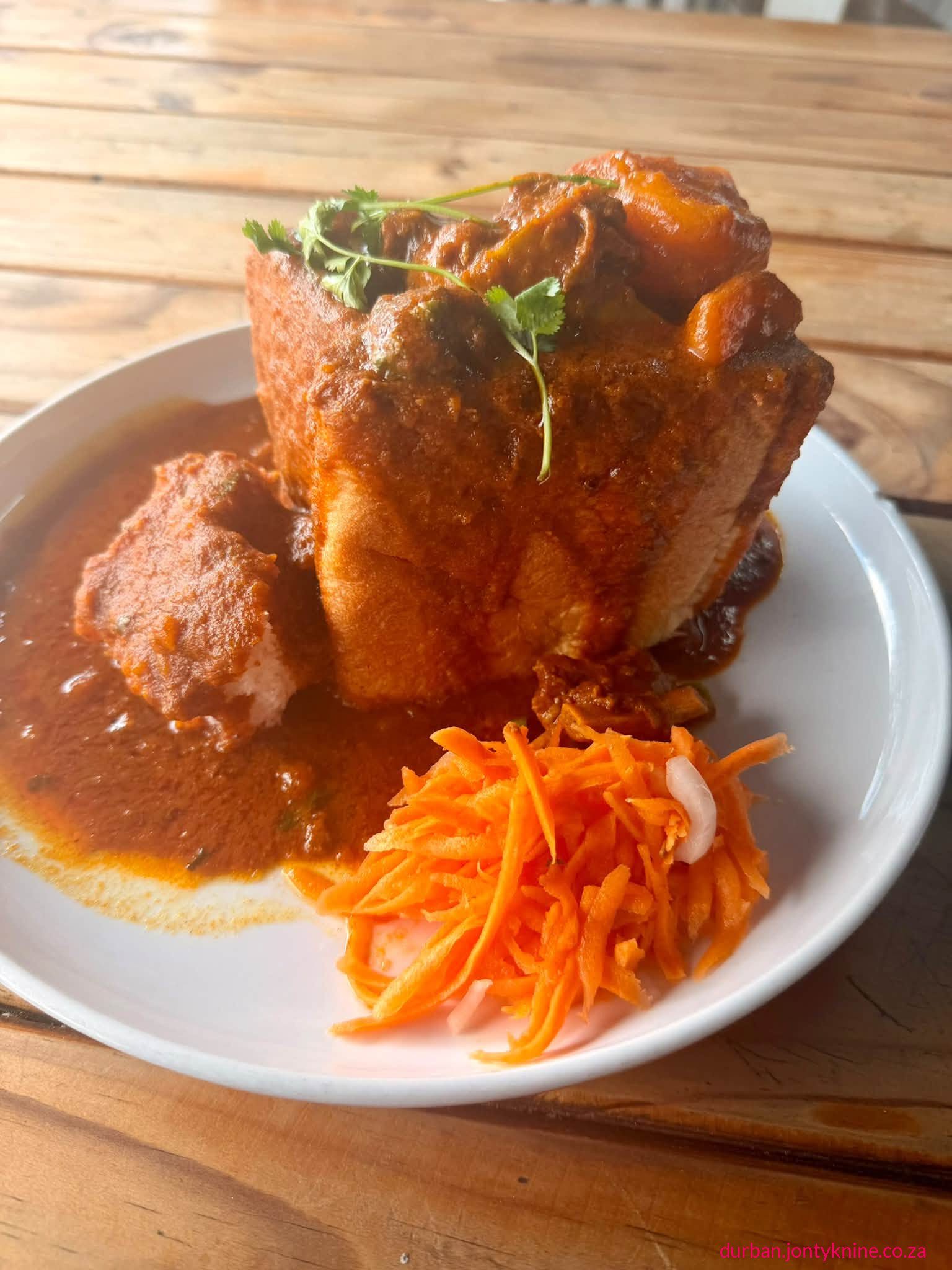
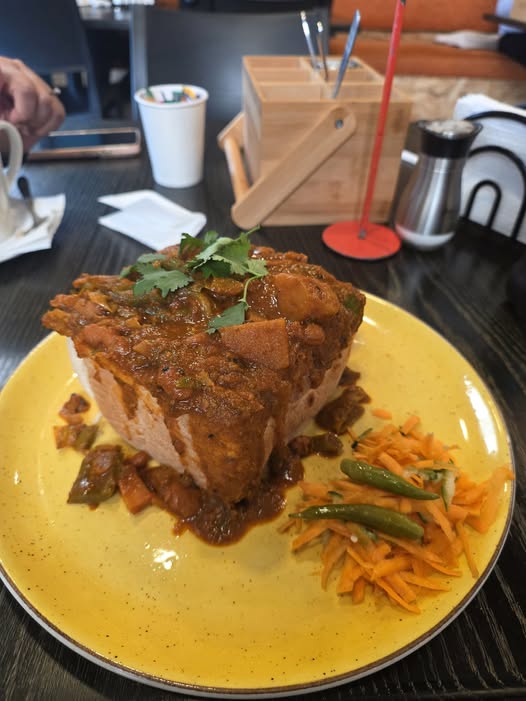
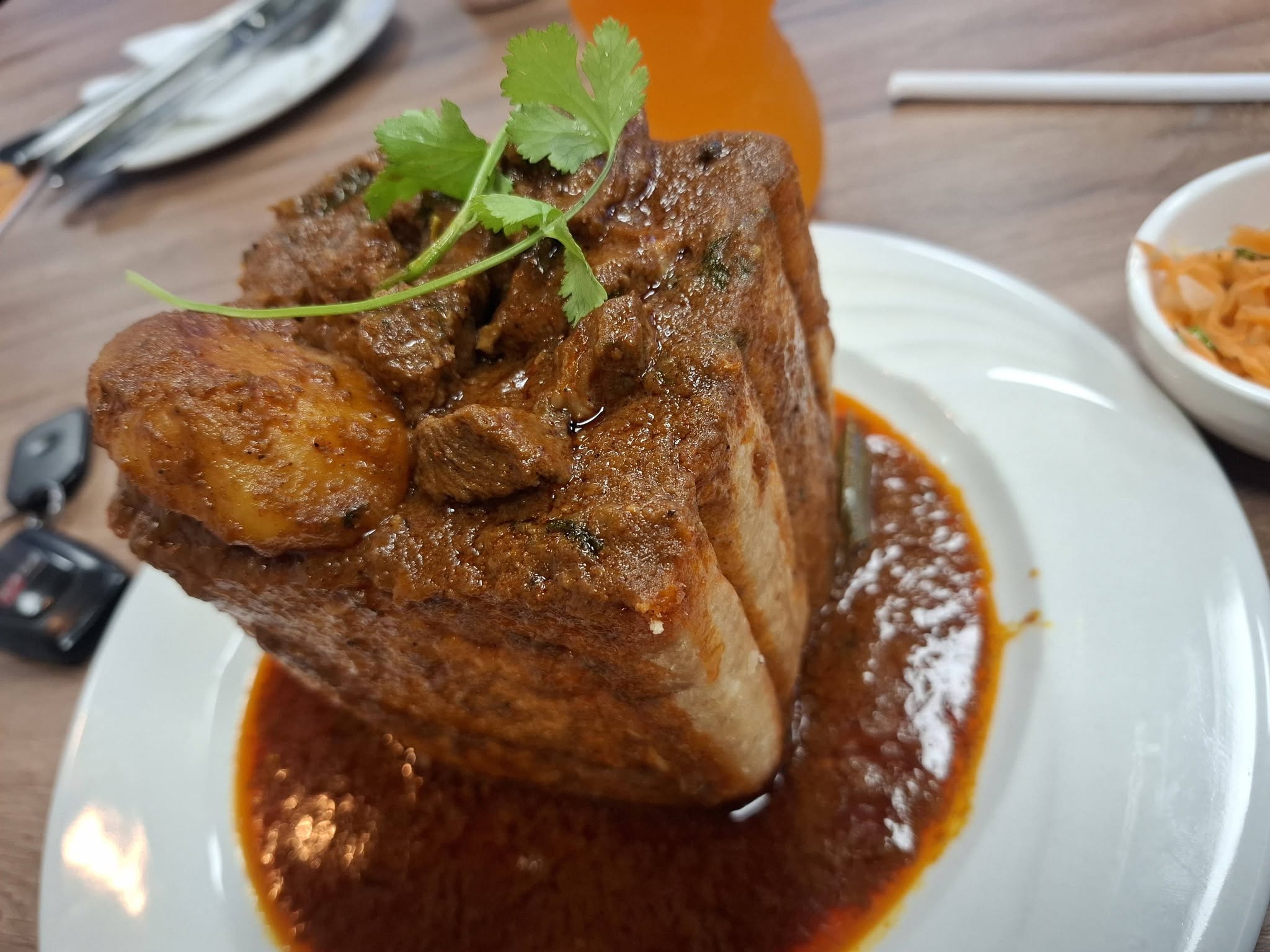
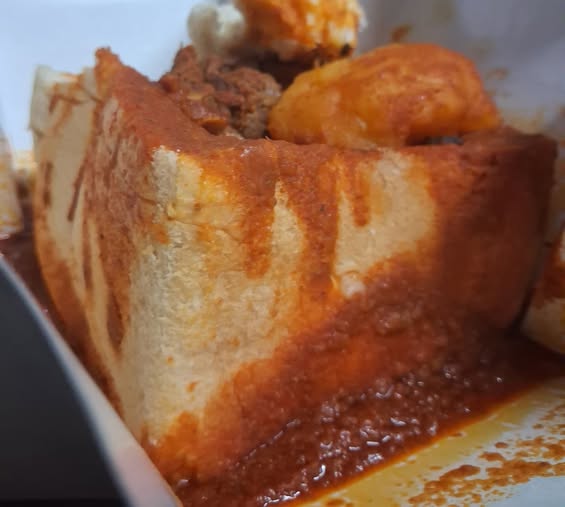
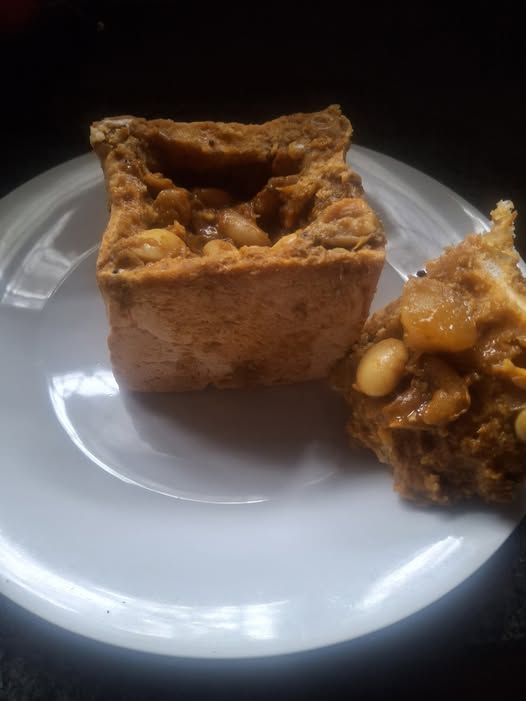
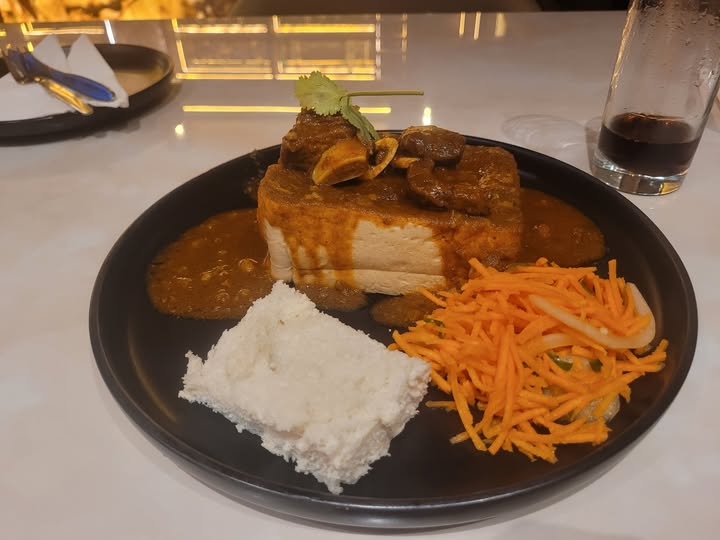
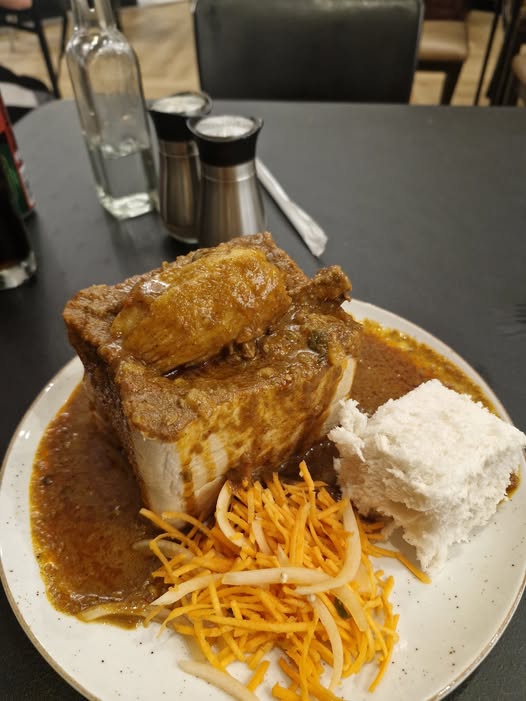
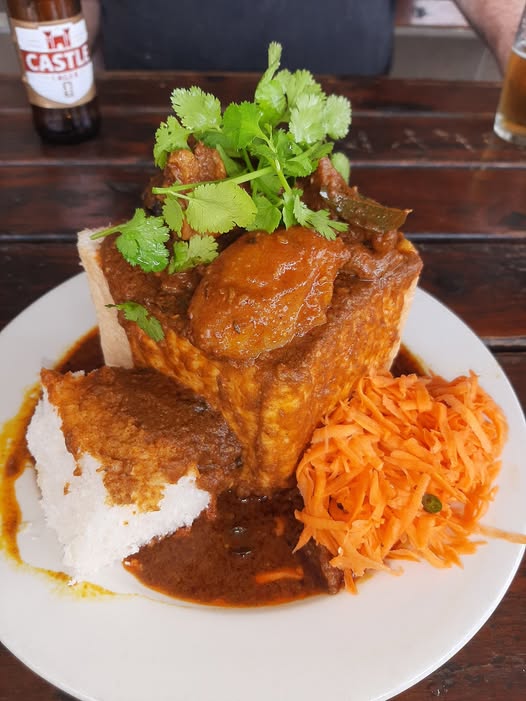
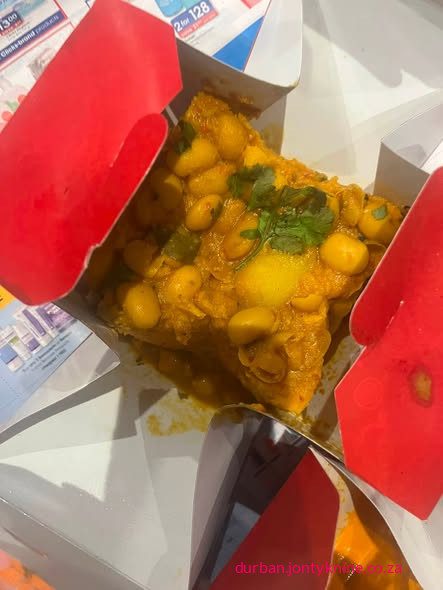
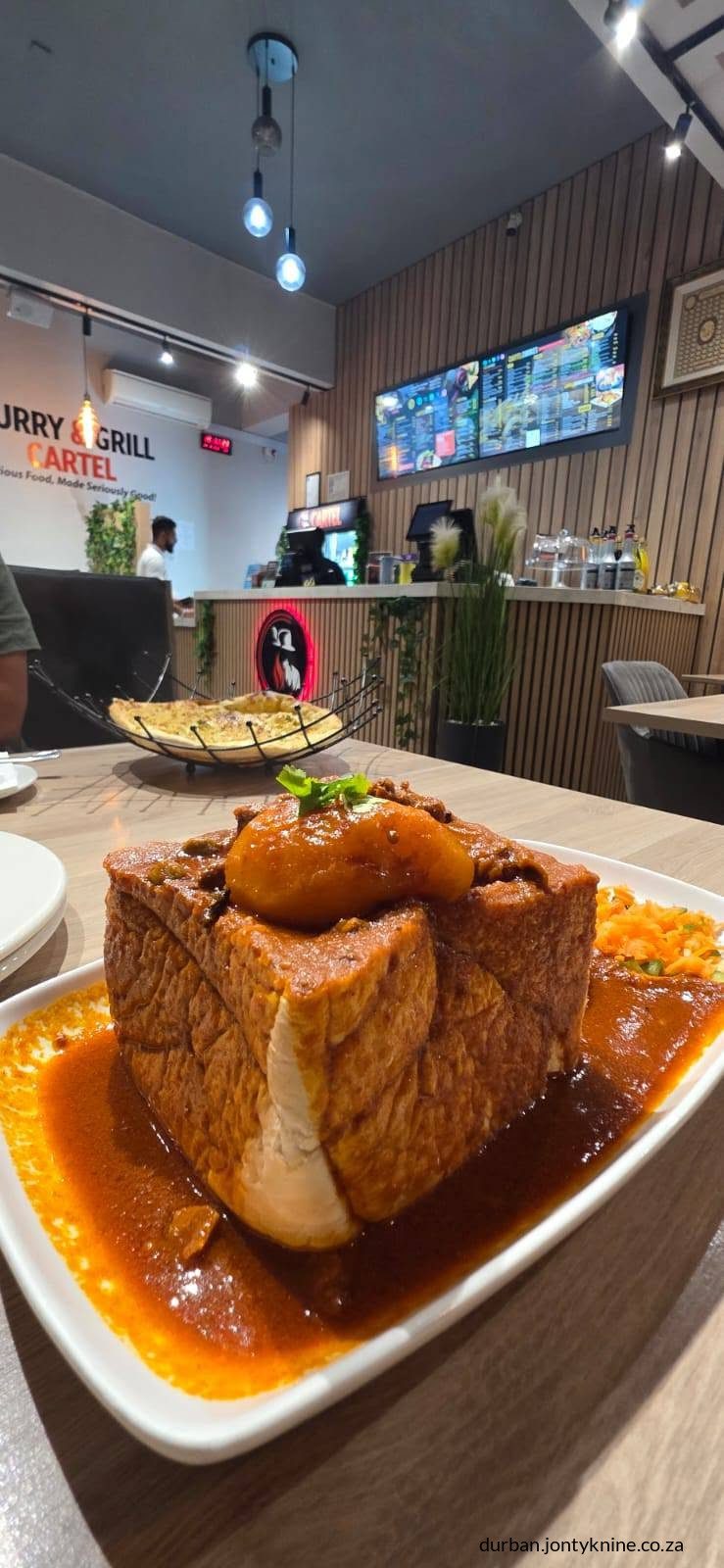
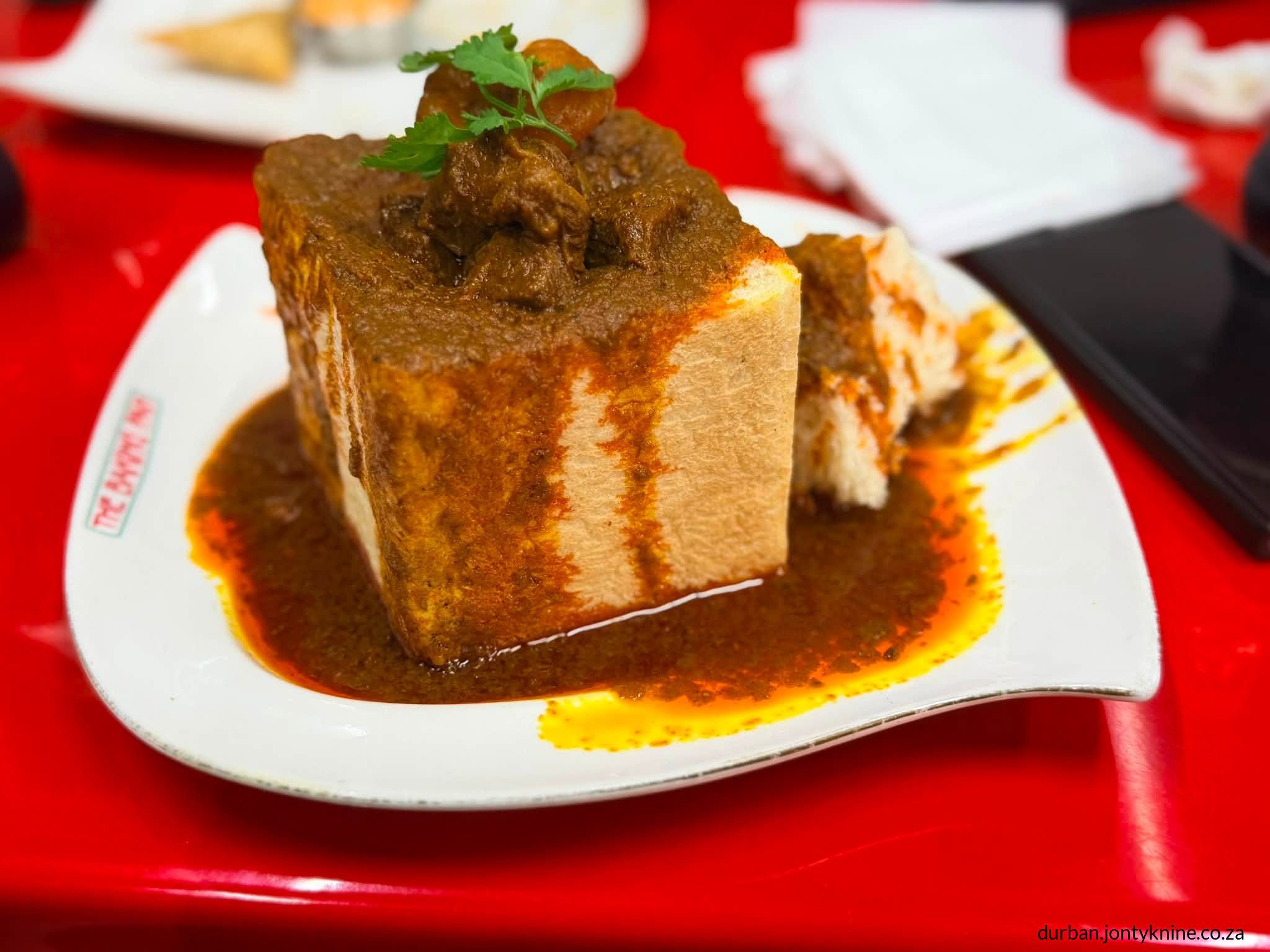
Bunny chow (often just called a “bunny”) is a Durban, South African street-food classic: a hollowed-out loaf (or quarter/half-loaf) of soft white bread filled with curry, typically eaten by hand with the bread serving as both container and utensil. It is strongly associated with the city’s large Indian South African community and has become an emblem of local fusion cuisine, practicality born of necessity, and the social history of segregation and apartheid.
Historical Context: Indian Migration to Natal
The dish’s roots lie in the migration of Indians to what was then the British colony of Natal (now KwaZulu-Natal). From 1860 onward, tens of thousands of indentured laborers—primarily from southern and other parts of India—were brought to work on sugar-cane plantations, railways, and related industries. Many completed their contracts and stayed; later arrivals included “passenger Indians” (merchants, traders, and artisans who paid their own way).
Durban developed one of the largest Indian communities outside India. Gujarati merchants (often referred to by the caste term bania or baniya) became prominent in trade, running shops, cafés, and restaurants, especially in the Grey Street (now Dr Yusuf Dadoo Street) commercial area, sometimes called the Casbah. Indian culinary traditions—curries, beans, spices—adapted to local conditions: white bread was cheap and widely available, while traditional roti could be fragile as a takeaway vessel.
Disputed Origins
No single inventor, restaurant, or exact date is definitively documented. Most accounts place the dish’s emergence in the first half of the 20th century, with the 1940s frequently cited as the period when it became established. Several overlapping theories explain its creation:
- Portable meal for laborers: Plantation, factory, dock, or construction workers needed food that could be carried easily, eaten without plates or cutlery during short breaks, and kept relatively contained. Hollowed bread solved the problem of fragile roti or leaf wrappings; the soft interior soaked up gravy while the crust held everything together. Meat fillings became more common later.
- Takeaway under racial restrictions: Long before formal apartheid (1948), colonial and municipal rules limited where people of different races could sit and eat. Under apartheid, Black South Africans were barred from many restaurants. Indian-owned establishments sometimes served curry through side doors or windows. Bread loaves functioned as disposable, self-contained containers that required no plates (which might be lost or restricted) and minimized visible cutlery. This practical adaptation helped popularize the format and likely encouraged meat versions as demand grew.
- Golf caddies and other workers: One story links it to Indian caddies at the Royal Durban Golf Course who could not easily return to Grey Street for lunch. Friends or sellers brought curry in hollowed loaves for convenience.