


The sardine run (also known as the “Greatest Shoal on Earth”) is an annual natural phenomenon along South Africa’s east coast, where billions of Southern African pilchards (sardines) migrate northward in massive shoals. This creates spectacular feeding frenzies involving dolphins, sharks, whales, seabirds, and game fish.
Timing in Durban / KwaZulu-Natal (KZN)
- The overall sardine run occurs every year from May through July, with the main activity typically peaking in June and early-to-mid July.
- Sardines generally start further south (Eastern Cape / Wild Coast) in May–early June and move northward. They often reach the Durban South Coast (e.g., Port Edward, Umkomaas, Amanzimtoti, Scottburgh) and Durban beaches in late June to July.
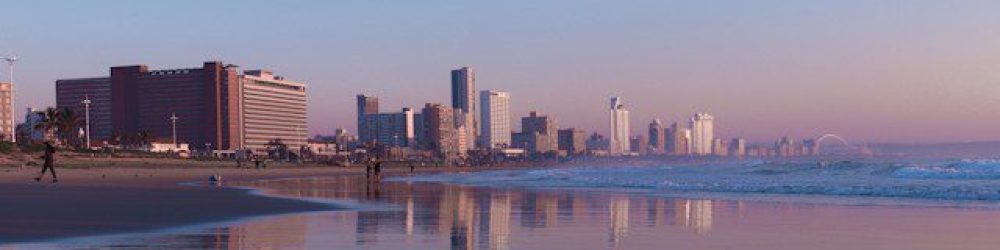
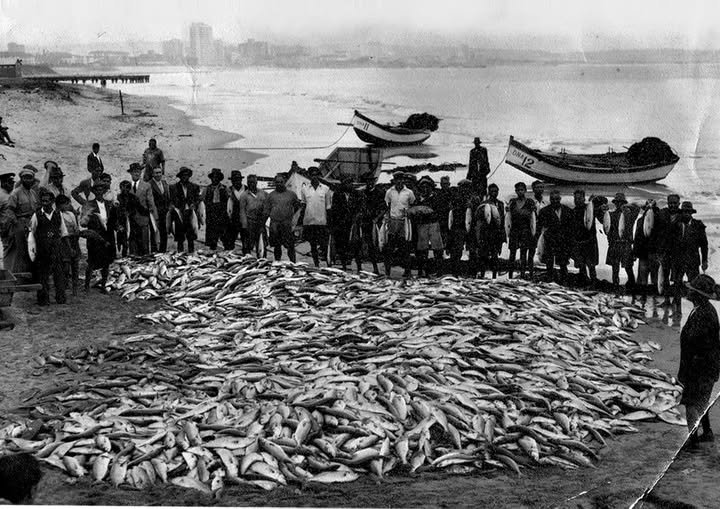
- In Durban itself, the fish (or their remnants) frequently wash up on beaches or get netted by locals during this window, especially around the Durban July horse race period historically. Crowds gather quickly when shoals appear near shore.
- Exact arrival in Durban varies yearly due to water temperature (they prefer cooler ~18–21°C waters), currents, weather, and climate factors. There has been a slight long-term trend toward later arrivals (about 1.3 days per decade), and some years the run is weaker or passes farther offshore.
For 2026, the migration window remains May–July, with peak action most reliably in June–July. Dive operators schedule trips from mid-June onward, but shore-based sightings in the Durban area often happen later in the season.
What Happens in Durban During the Run
- Locals and visitors flock to beaches with nets, buckets, or just to watch. Sardines are scooped up in large quantities (sometimes by the crate) when shoals come close to shore.
- It’s a mix of excitement, fishing frenzy, and tourism — prices for fresh sardines can drop quickly as supply surges.
- You might also see associated predators (sharks, dolphins) closer to shore, though the most intense underwater action is usually farther south on the Wild Coast.
Best Ways to Experience It Near Durban
- Shore viewing/netting: Durban beaches, Amanzimtoti, Umkomaas, or the South Coast (e.g., Toti, Scottburgh). Keep an eye on local news or social media (“sardine run KZN” updates) for real-time sightings.
- Boat or dive trips: Operators on the Durban South Coast offer excursions, sometimes combined with Aliwal Shoal diving.
- For the full spectacle (bait balls, massive predator activity): Head south to the Wild Coast (Port St Johns, Mboyti, Coffee Bay) in June–July — many tours depart from or transfer via Durban.
Tips
- The run is unpredictable — no year is guaranteed to be massive, and weather plays a big role. Monitor local reports via apps, Facebook groups (e.g., KZN Sardine Watch), or news closer to the time.
- June–July is winter in Durban: cooler, drier weather is common, but seas can be rough.
- If you’re in Durban now (April 2026), the next run is still a couple of months away — perfect time to plan!