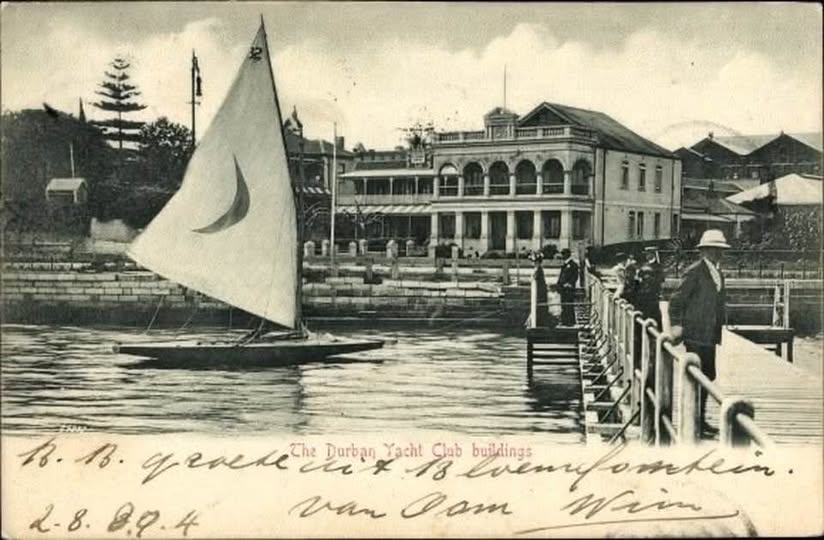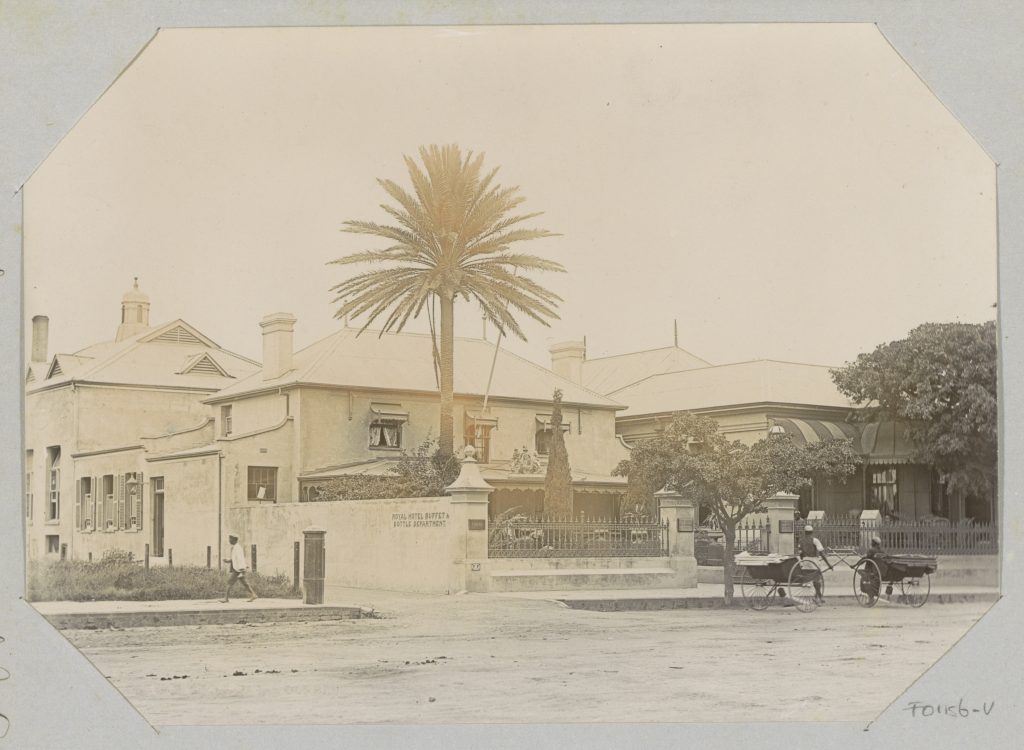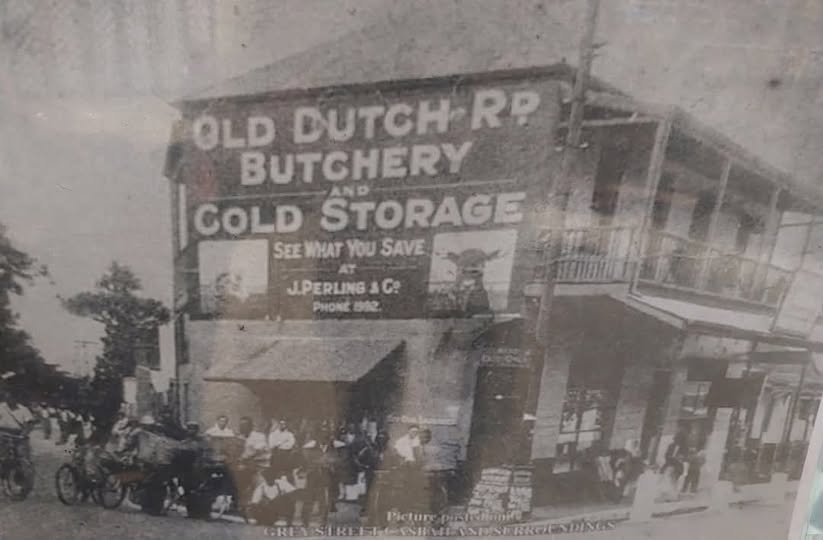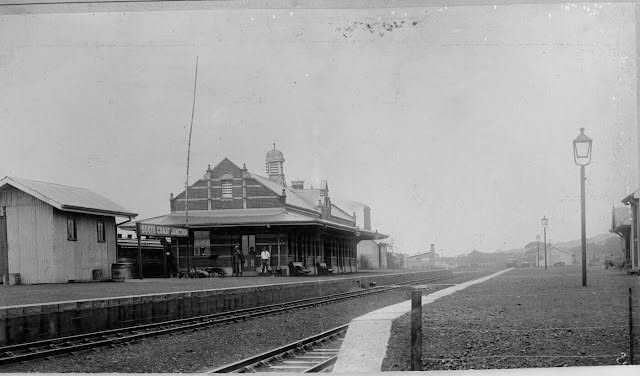




Durban’s history began with indigenous peoples and then Portuguese explorer Vasco da Gama naming the area Rio de Natal in 1497.
The area’s development into Port Natal in the 1820s was shaped by Zulu King Shaka’s granting of land to British settlers, with the settlement officially named Durban in 1835 after Cape Governor Sir Benjamin D’Urban. Following a period of conflict with Boer settlers, the British annexed the region, and the city grew into a major port and industrial hub, especially known for its sugar industry and large Indian community.
Durban, now the largest city in KwaZulu-Natal province and a major port in South Africa, has a rich history blending pre-colonial African roots, European exploration, and colonial development.
Pre-Colonial and Early History
The area around modern Durban was inhabited long before European arrival. Indigenous Khoi/San (hunter-gatherer) peoples lived there for thousands of years. Later, Nguni-speaking groups, including ancestors of the Zulu, moved into the region.
In 1497, Portuguese explorer Vasco da Gama sighted the bay on Christmas Day and named it Rio de Natal (“Christmas River” or “Natal”), giving the broader region its name. For centuries afterward, the natural harbor (a safe anchorage protected by a sandbar) saw occasional visits by ships but no permanent settlement.
By the early 19th century, the area fell under the influence of the expanding Zulu Kingdom. King Shaka Zulu (r. 1816–1828) unified various Nguni clans into a powerful militarized state through innovative tactics, diplomacy, and conquest during a period known as the Mfecane (great upheaval).
Founding of the Settlement (1824)
European settlement began in 1824. British traders from the Cape Colony, led by Lieutenant Francis George Farewell and accompanied by adventurer Henry Francis Fynn, established a trading post at the site they called Port Natal.
- They sought ivory and other trade goods.
- Fynn reportedly helped treat a wound of Shaka’s, gaining favor.
- In August 1824, Shaka granted the settlers land around the bay (the exact extent and Shaka’s authority to cede it have been debated historically). Farewell formally claimed the area for Britain.
The small settlement included a fort (the Old Fort, now a museum). Early growth was slow; by 1835, there were only about 15 settlers.
Naming as Durban (1835)
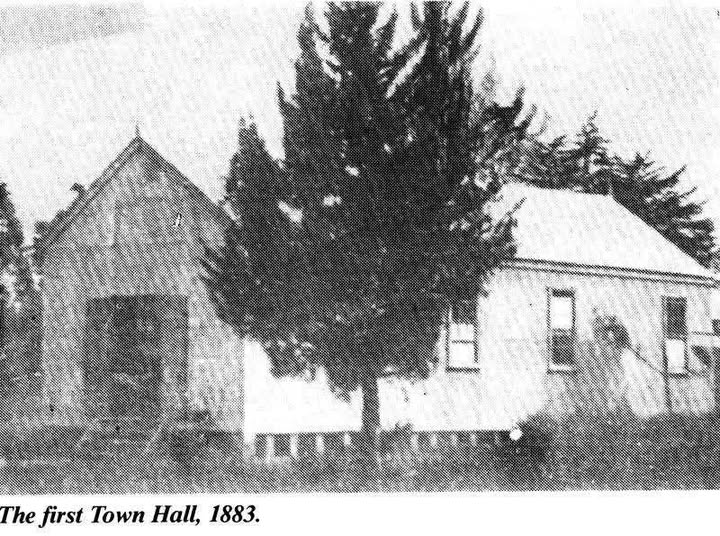
On 23 June 1835, the settlers formally laid out a town and named it Durban after Sir Benjamin D’Urban, the Governor of the Cape Colony at the time. The surrounding area became Victoria County.
Conflicts and British Annexation
The 1830s–1840s were turbulent:
- Voortrekkers (Boer pioneers) clashed with the Zulu and British over control of Natal. After Shaka’s assassination, his successor Dingane clashed with the Boers.
- Boers briefly controlled the area and declared the Republic of Natalia.
- British forces intervened; they annexed Natal in 1843, proclaiming the Colony of Natal (initially attached to the Cape, later a separate crown colony in 1856).
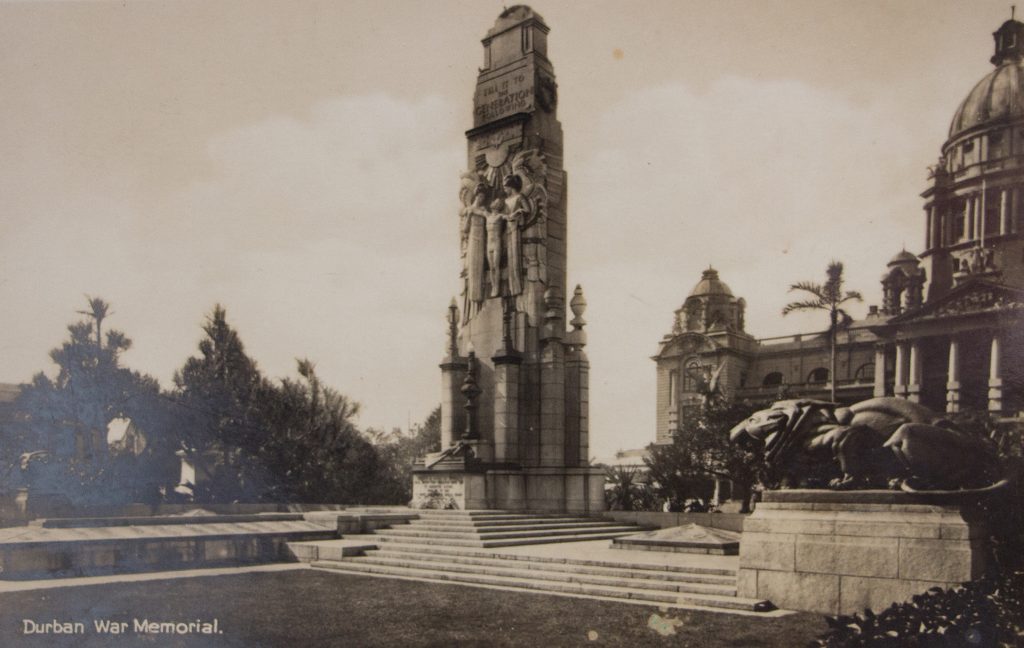
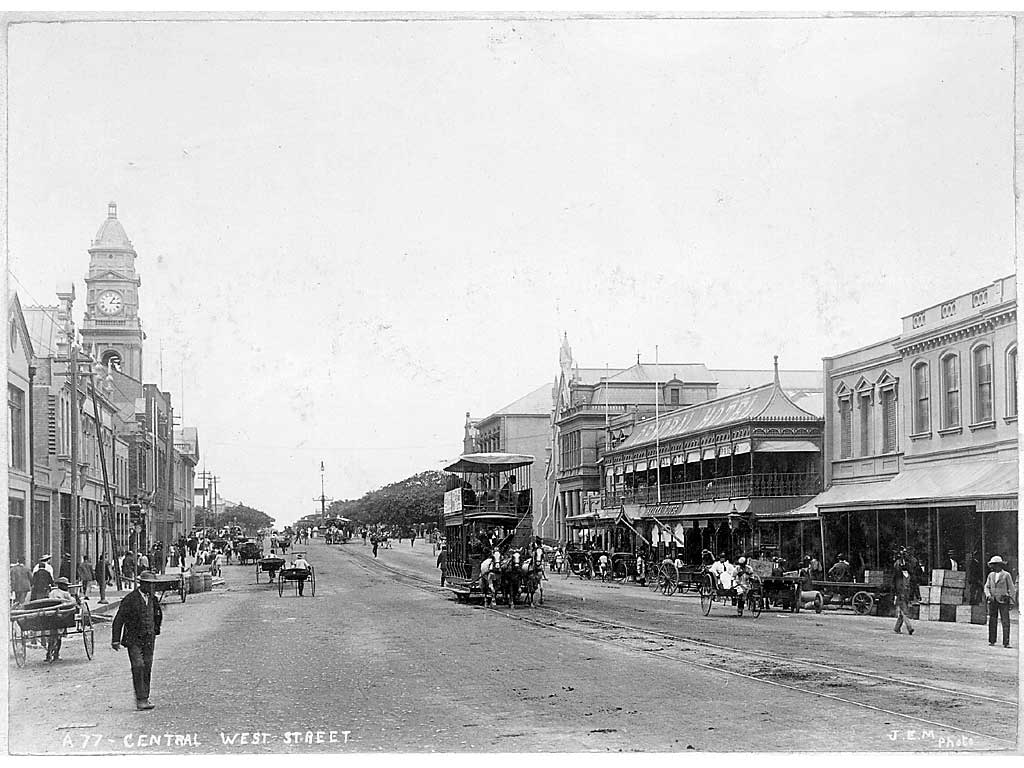
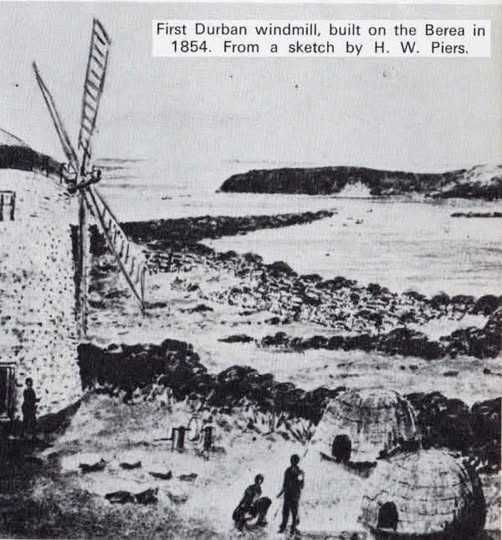
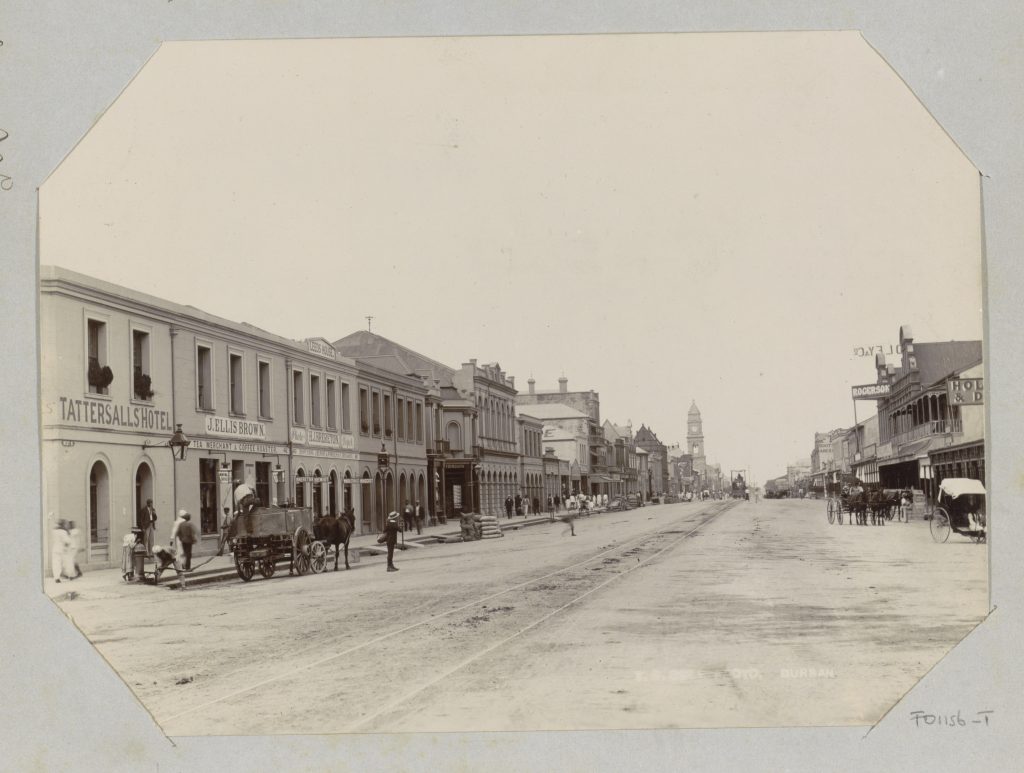
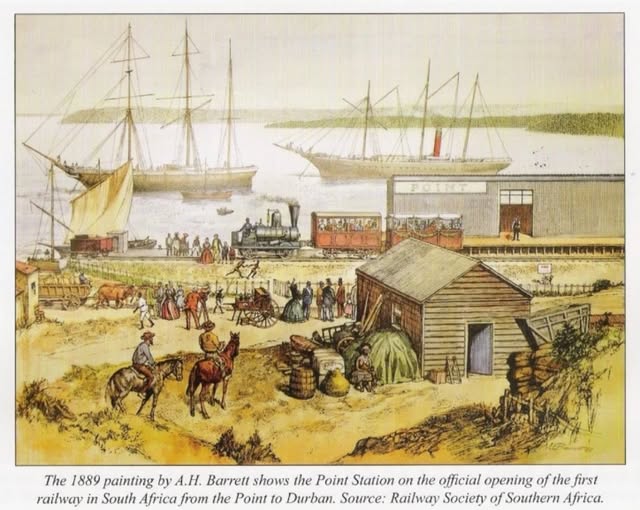
Durban became the key port for the colony. It was declared a borough in 1854 and a city in 1935.
Later Development
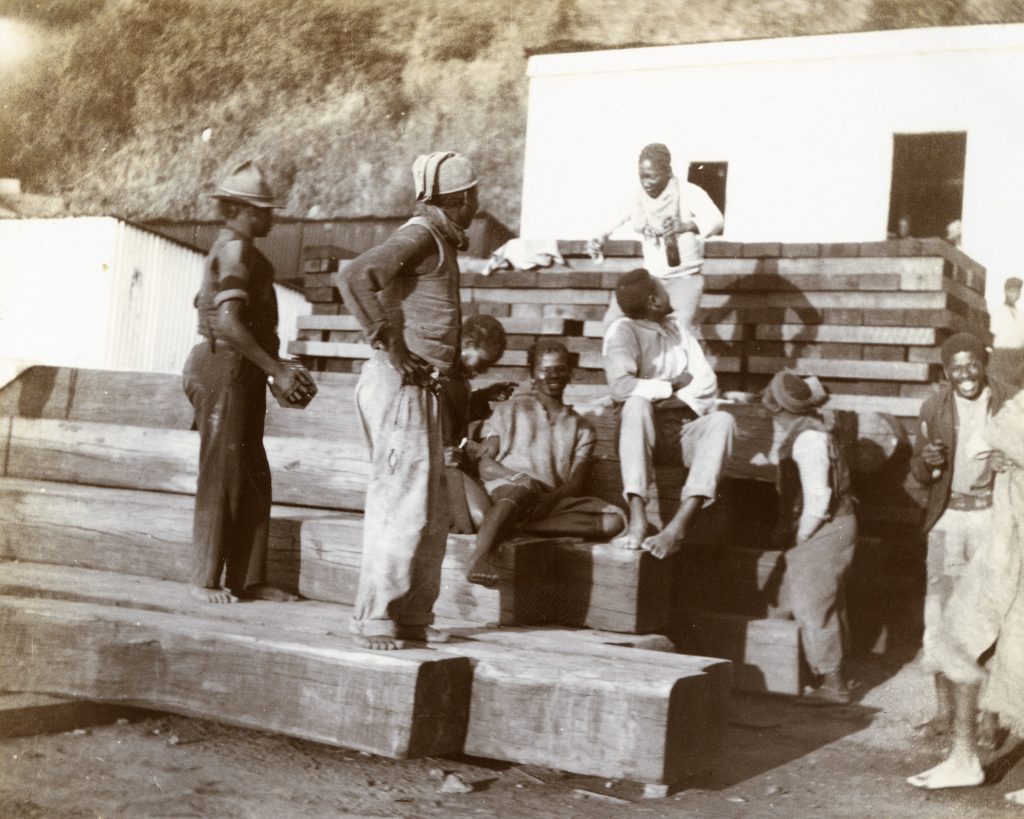
- Sugar cane cultivation drove growth in the mid-19th century, leading to the importation of indentured Indian laborers from the 1860s onward. This created Durban’s large Indian community (one of the largest outside India).
- The harbor was developed extensively, overcoming the sandbar issue, turning Durban into South Africa’s busiest port.
- The city played roles in conflicts like the Anglo-Zulu War (1879), the South African (Boer) War, and later anti-apartheid struggles. Mahatma Gandhi lived and worked in the area for a time.
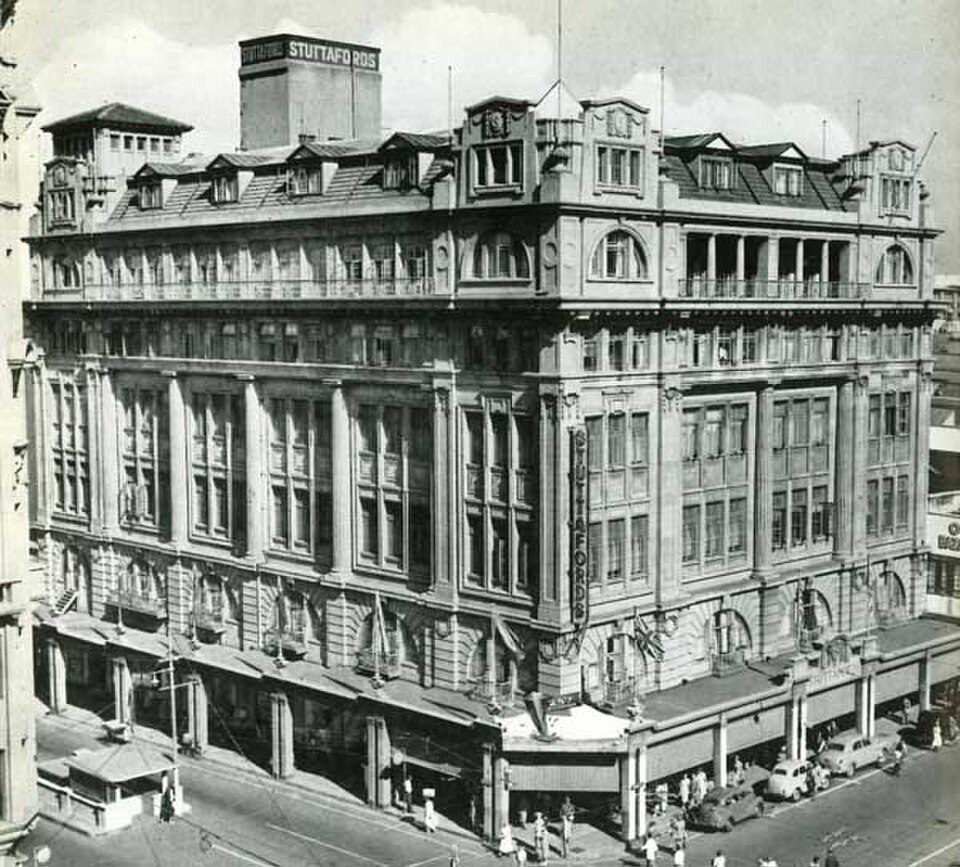
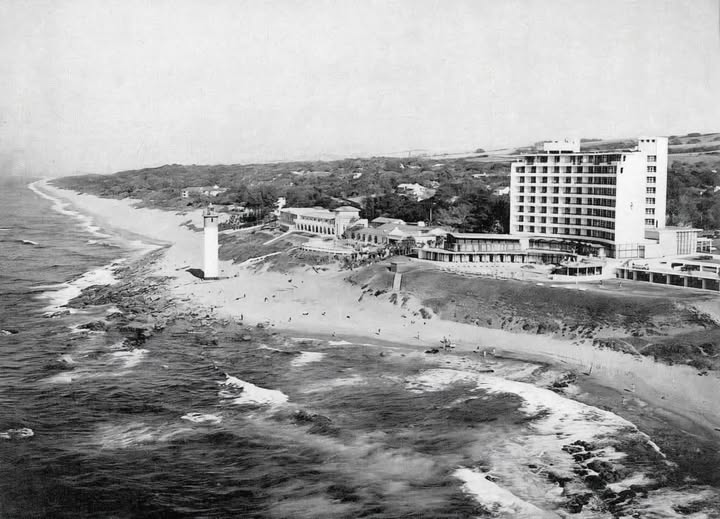
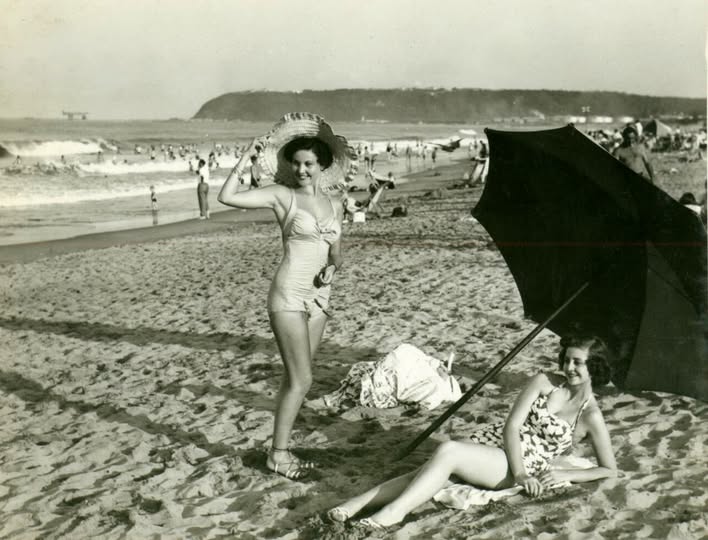
Today, Durban (part of the eThekwini Metropolitan Municipality) is a cosmopolitan, multicultural hub reflecting Zulu, Indian, English, and other influences. Its Zulu name is eThekwini (meaning “at the bay” or similar).