


Latest figures (as of ~June 30, 2026):
- DRC: Approximately 1,406 confirmed cases and 438 confirmed deaths.
- The outbreak, declared in May 2026 in Ituri Province (northeastern DRC), involves the Bundibugyo strain of Ebola virus. It has spread to North Kivu, South Kivu, and possibly other areas.
- Uganda has reported additional cases (~20 confirmed, 2 deaths) linked to cross-border movement.
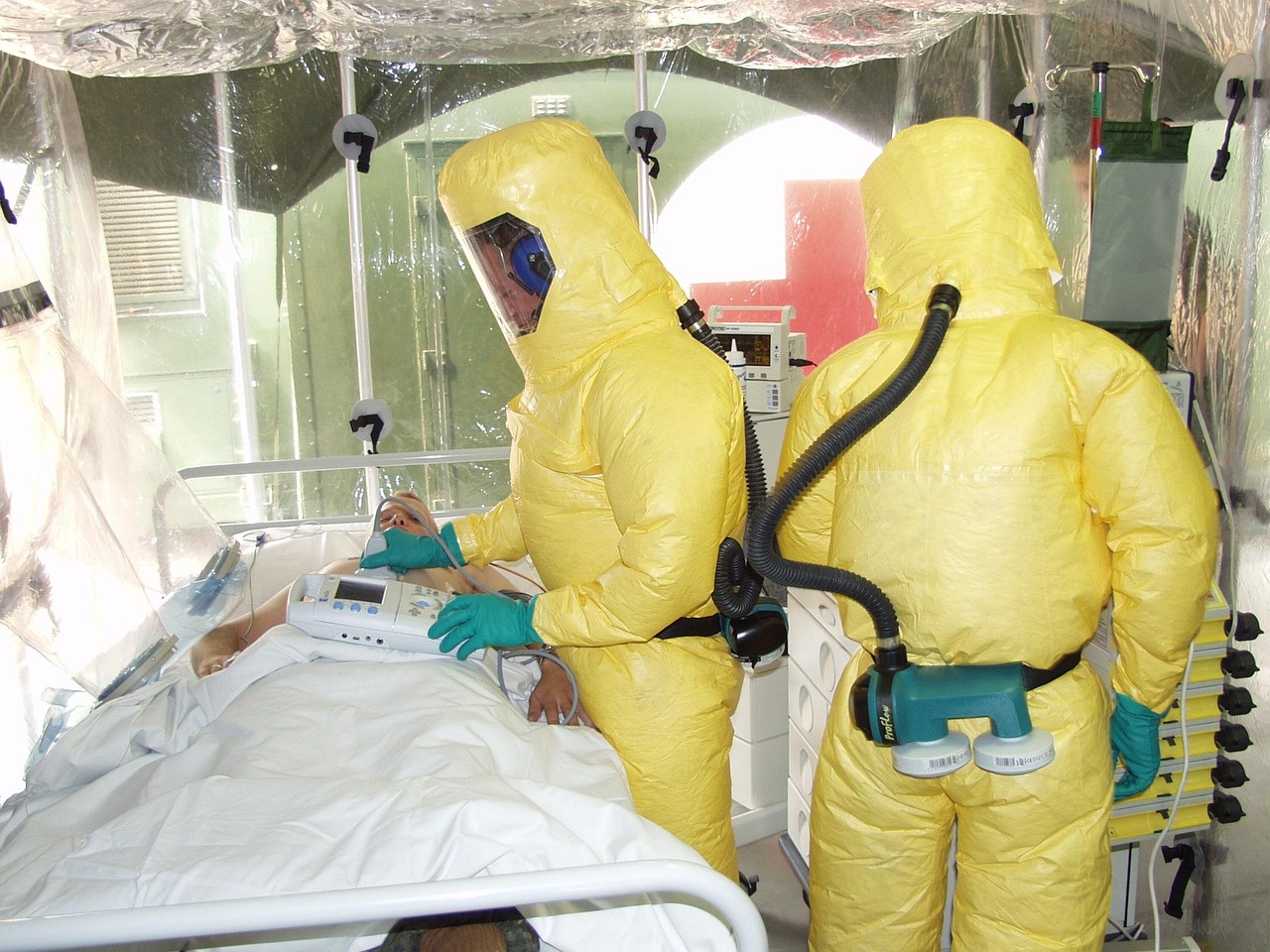
This is DRC’s 17th Ebola outbreak since 1976. The Bundibugyo strain has a notable case fatality rate (historically around 25–40%, lower than some other strains like Zaire ebolavirus), but no approved specific vaccines or treatments exist for it yet (unlike the more common Zaire strain). Response efforts include contact tracing, safe burials, supportive care, and a new clinical trial testing antivirals like remdesivir and monoclonal antibodies.
Context and challenges:
- The outbreak grew rapidly after likely going undetected for weeks/months initially.
- Conflict, displacement (millions affected in the east), and insecurity complicate response efforts, with risks of healthcare-associated spread.
- WHO declared it a Public Health Emergency of International Concern in May 2026.
Numbers are from official DRC Ministry of Health, WHO, CDC, and other reports and can fluctuate as investigations continue.
This is a serious, active situation. For the most current details, check sources like the WHO or DRC Ministry of Health.