

Durban Harbour’s history began when Portuguese explorer Vasco da Gama named the bay “Rio de Natal”
on Christmas Day, 1497. The bay remained a natural, mangrove-lined lagoon for centuries, attracting limited trade. The modern port was established in 1824 as a British trading post called Port Natal. It later developed into a significant commercial port, especially after the construction of a railway and the arrival of indentured Indian labourers in 1860, ultimately becoming Africa’s largest container port.
Early European Arrival and Discovery (1497)
- Vasco da Gama’s Discovery:Portuguese explorer Vasco da Gama discovered the bay in 1497, naming it “Rio de Natal” (River of Christmas) because he reached it on Christmas Day.
- Natural Haven:The bay was a natural, well-protected harbour, but the Portuguese were not interested in establishing a settlement there.
The Birth of a Trading Post (1824)
- British Settlers: British merchants from the Cape Colony arrived in 1824 to establish a trading post.
- Port Natal: This settlement, initially named “Port Natal,” was built on the shores of the Bay of Natal, near the site of present-day Farewell Square.
- A Trade Hub: The settlers traded with the Zulu King Shaka, exchanging goods for ivory.
Growth and Development (19th Century)
- Renaming to Durban:In 1835, the town was named “Durban” after Sir Benjamin D’Urban, the Governor of the Cape Colony at the time.
- Challenges and Shipwrecks:The port faced challenges due to a shallow sandbar at its entrance, leading to frequent shipwrecks.
- First Steamship:The first steamship, the Sir Robert Keel, entered the port in 1852.
- Indenture of Indian Labour:In 1860, 340 indentured labourers from India arrived on the SS Trouro to work in the burgeoning railway and shipping industries, contributing to the port’s development.
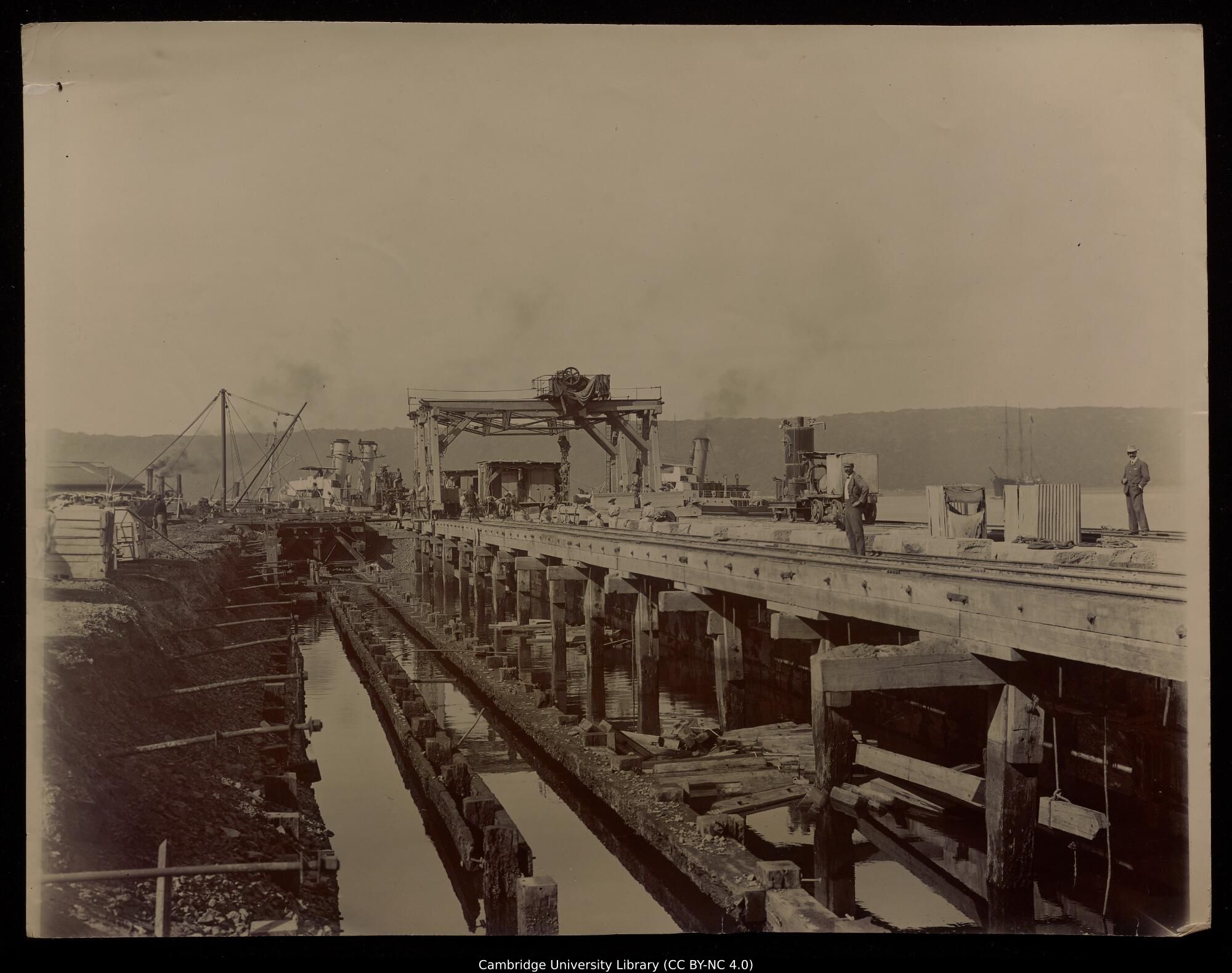
- Railway Construction:The construction of a railway line began between the port and the town, further connecting the port to the mainland’s interior.