




Origins & Architecture (1930s)
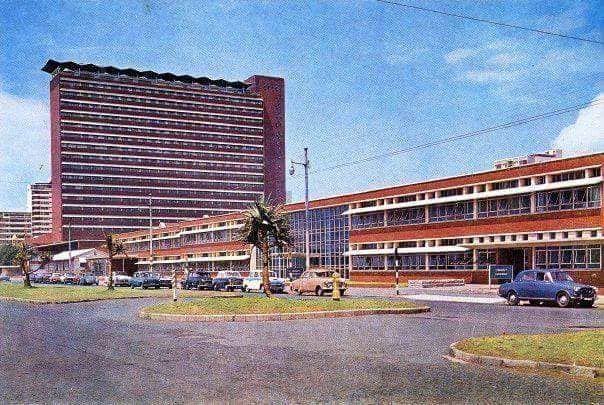
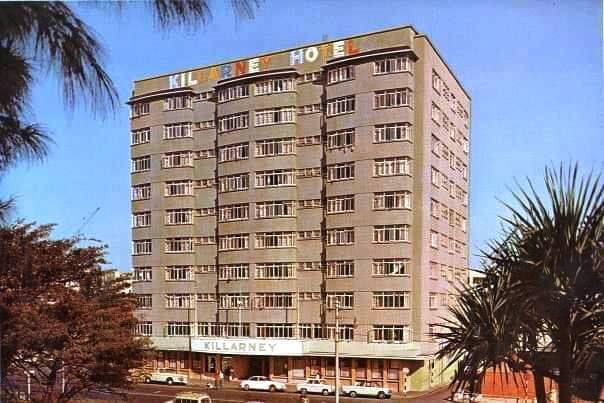
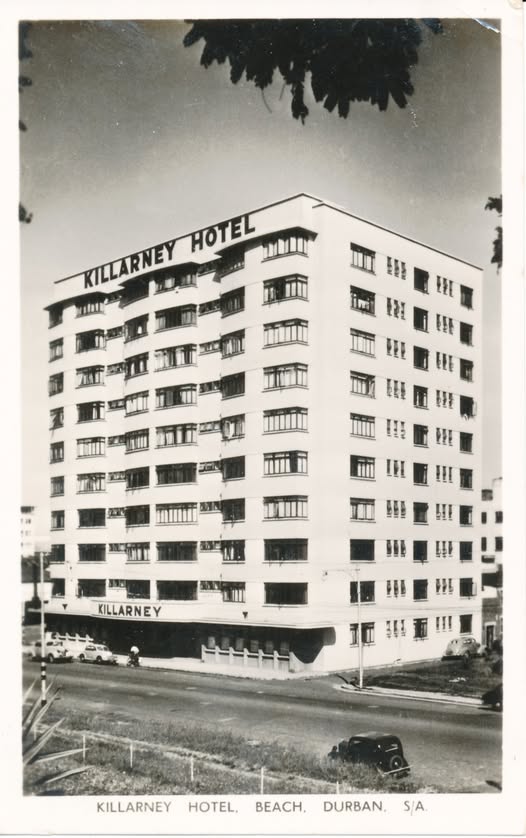
- The building that became the Killarney Hotel was designed by architect Geoffrey Eustace le Sueur and constructed in 1939.
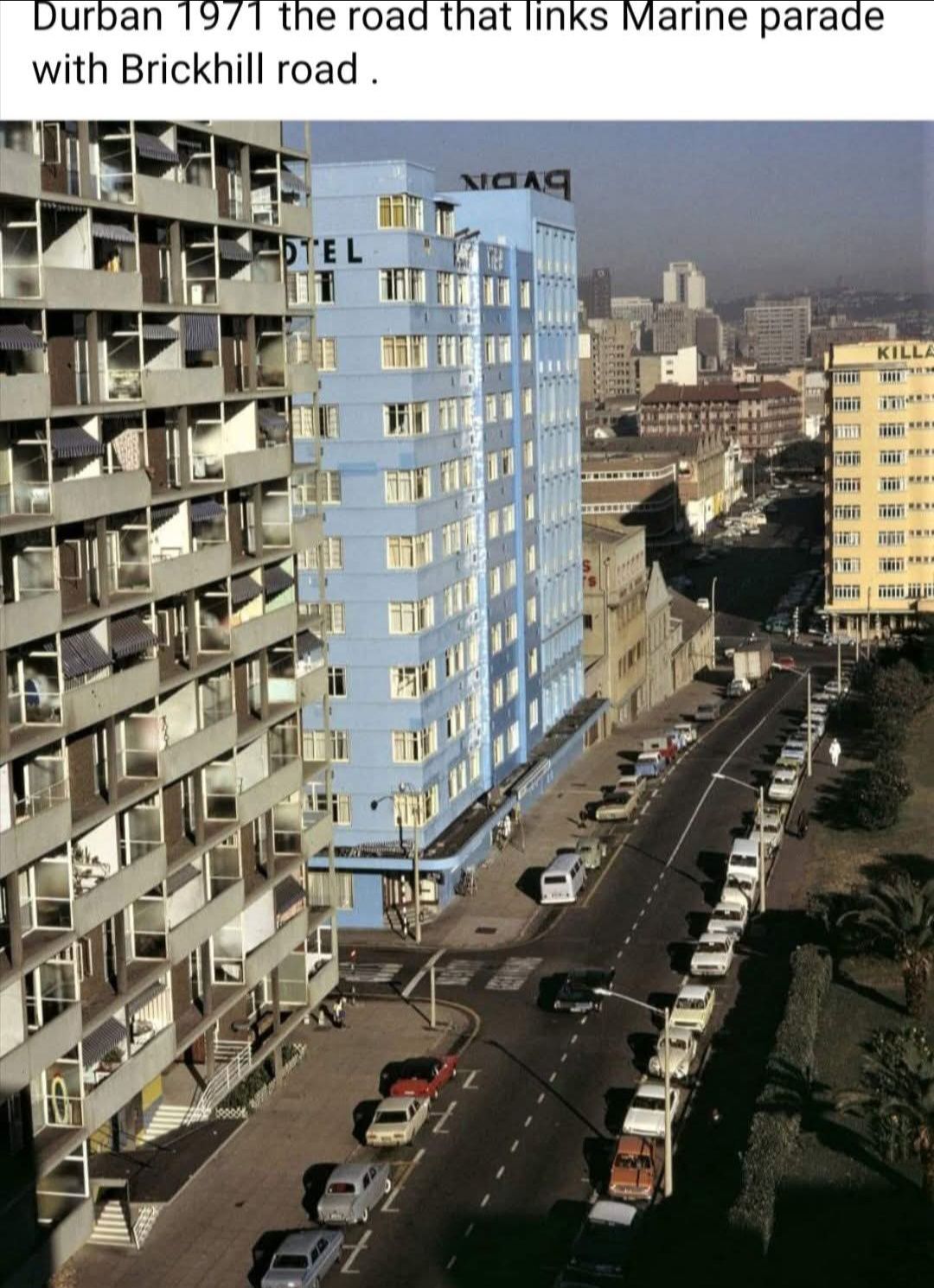
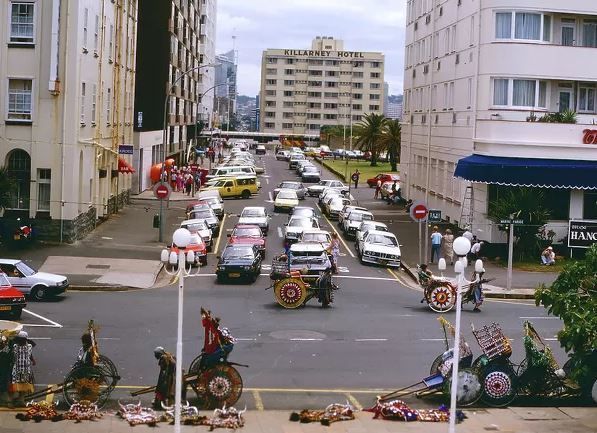
- Originally, it wasn’t conceived as a hotel: it was built as a flats/apartment block on the corner of what was then Pine Street and Brickhill Road in Durban, close to the city centre and a short distance from Durban’s beaches.
- Le Sueur was a prominent Durban architect known for residential, commercial and hotel work throughout the city in the 1930s.
Conversion to a Hotel (1950s–1960s)
- Although directories from as early as 1958 list the property as a hotel with up to 300 rooms, it’s clear that by around **1960 it had been converted from flats into the Killarney Hotel proper.
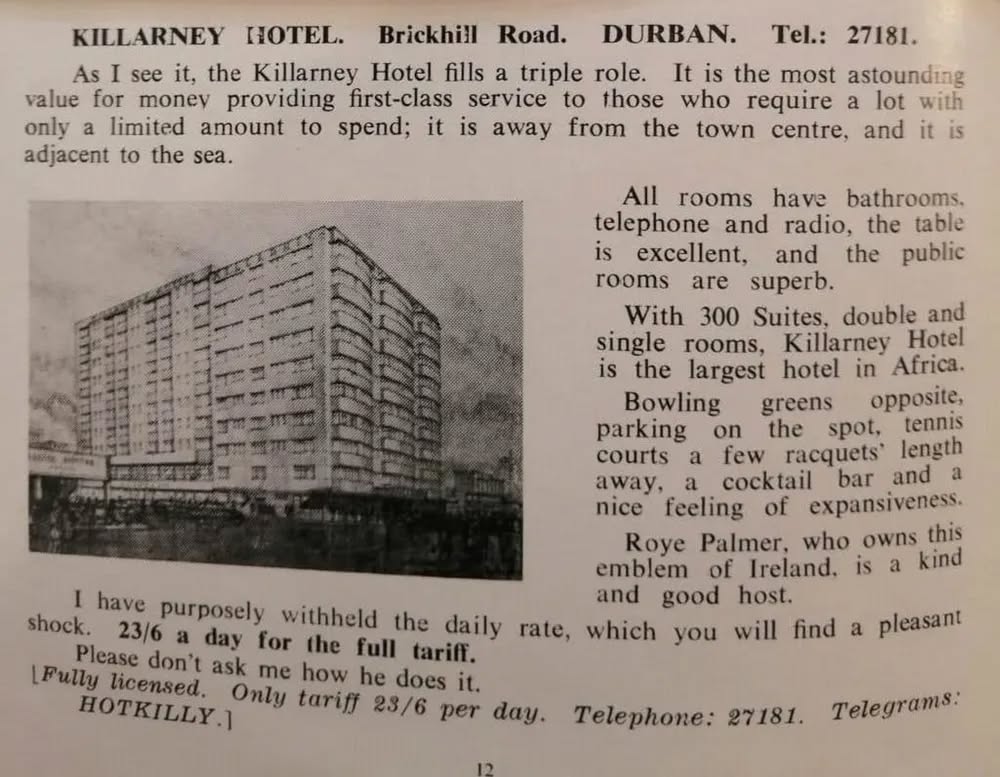
- In the 1950s, promotional materials highlighted it as one of Africa’s largest hotels — emphasising value, service and proximity to beaches, and noting features like ensuite bathrooms, telephones, radios and an expansive cocktail bar.
- The hotel’s early reputation was that of a comfortable, good-value family hotel, rather than a luxury institution — making it especially popular with holidaymakers from inland regions like Transvaal.
Social & Nightlife Hub (1960s–1980s)
One of the most defining aspects of the Killarney Hotel’s history wasn’t just its accommodation — it was its roaring social scene.
Nightclubs & Entertainment
- Over the decades, the hotel’s bars and clubs became iconic nightlife venues:
- In the 1950s, listings mentioned a nightspot within the hotel called the Golden Cage.
- By the 1960s, the nightlife offerings evolved: places like El Paso or the Zanzibar Room appeared in memories of locals.
- During the disco era of the 1970s, the venue was widely remembered as Travolta’s, featuring a famous glass dance floor and lunch-time strip shows, attracting students and young crowds.
- Later into the 1980s and beyond, nightlife included Monk’s Inn and Club Med, with diverse entertainment — from comedy nights to “Miss Lucky Legs” events and continuous party culture.
Public Memory & Culture
- The lobby of the Killarney was said to be as busy and lively as a railway station during peak holiday seasons — because of the steady flow of visitors.
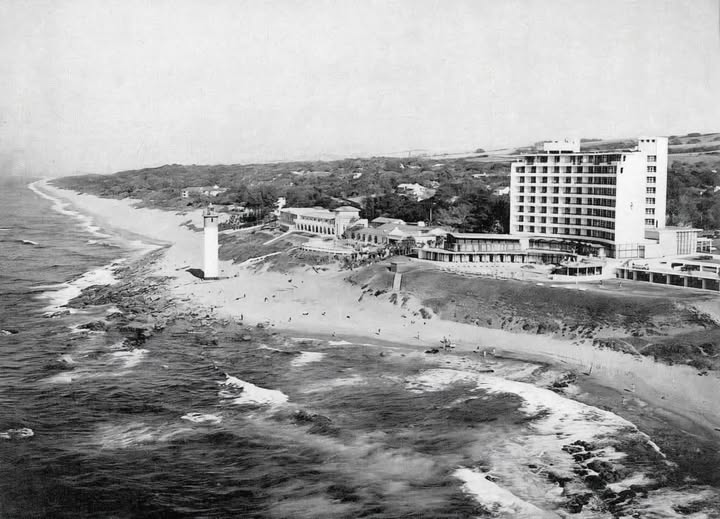
- Its position near the beachfront and appeal to young holidaymakers and students made it part of Durban’s collective social memory in the latter 20th century.
Decline & Changing Roles (1990s–2010s)
- As newer, glitzier beachfront hotels emerged and competition increased in Durban from the 1970s onward, the Killarney’s role as a major tourist accommodation began to diminish.
- In later decades, while still operating as a hotel into the 2000s, its status waned relative to larger four-star and five-star beachfront properties that dominated the city’s hospitality sector.
Student Accommodation (2019 – Present)
- Around 2019, reports indicated that the hotel building was converted into student accommodation, a fate shared by several older Durban hospitality buildings when they ceased to be competitive as hotels.
- Today, rather than functioning as a traditional hotel, the building continues to house residents — though some history enthusiasts and longtime Durban locals still fondly recall its earlier decades.