


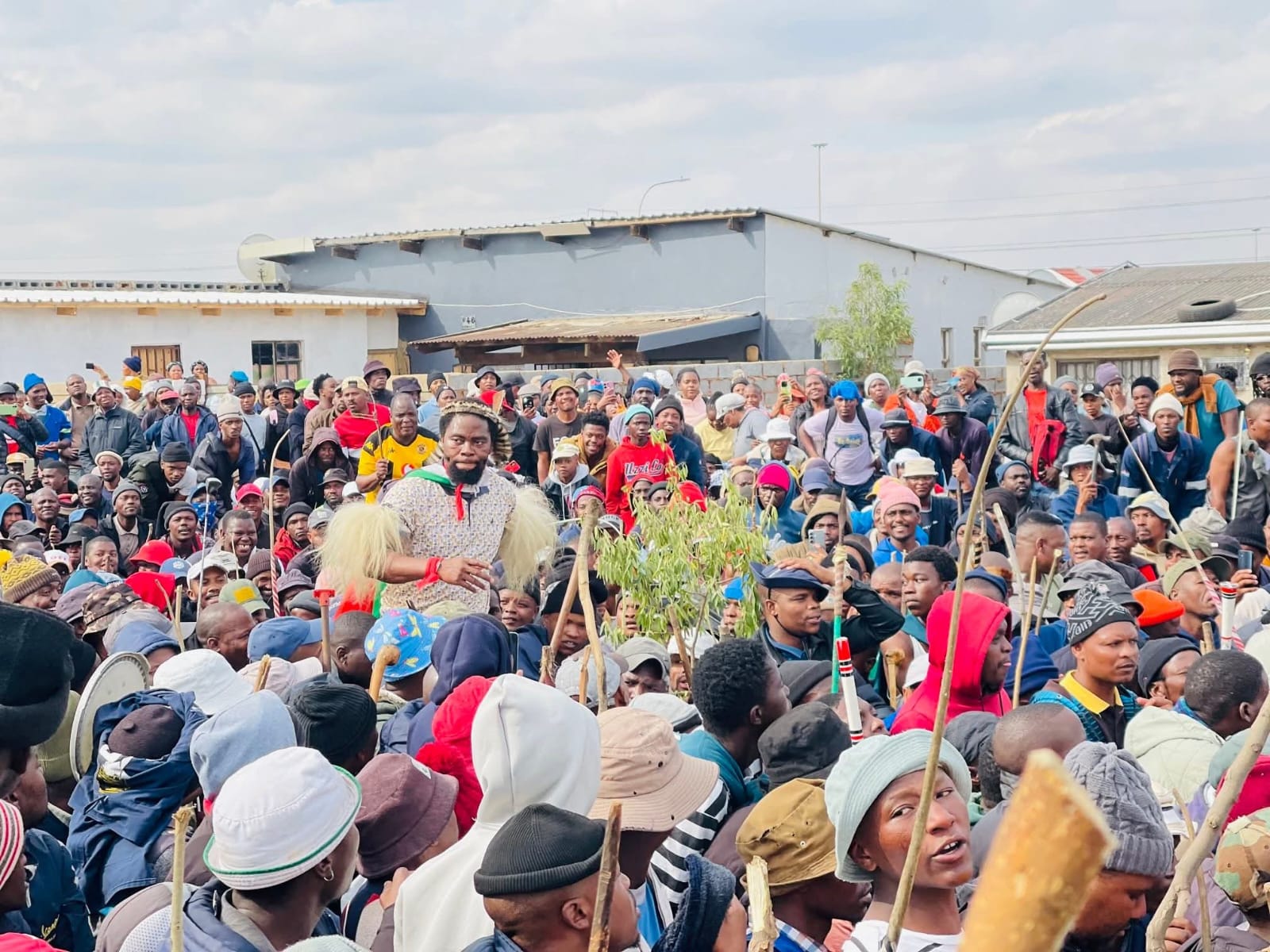
Durban and the broader KwaZulu-Natal province are once again at the centre of South Africa’s recurring struggle with immigration, xenophobia, and economic frustration. In May 2026, tensions that have been simmering for months boiled over into protests, shop lootings, and dramatic scenes of foreign nationals seeking refuge in churches and police stations.
What started as demands for stricter immigration control has, in some areas, turned into violence and looting — raising serious concerns about vigilantism, economic scapegoating, and the rule of law.
What’s Happening Right Now
In late May 2026, particularly around 29 May, groups of locals in Estcourt (KwaZulu-Natal Midlands) looted at least six to eight shops believed to be owned by foreign nationals, mainly Ethiopians. The violence followed a Pietermaritzburg High Court ruling that ordered the return of shop keys to 38 foreign traders after the local mayor had confiscated them in April.
Many shops in Durban CBD and surrounding areas have also closed temporarily as owners fear further attacks. Reports emerged of armed men (allegedly Pakistani nationals) openly carrying rifles at a Durban mall to protect businesses during the unrest.
Hundreds of foreign nationals, including women and children, have sought shelter at places like the Diakonia Centre in Durban CBD, afraid to return to their homes and businesses.
The Drivers Behind the Tension
Several factors are fueling the current wave:
- High Unemployment & Economic Hardship: South Africa’s unemployment rate remains critically high. Many locals feel foreign nationals (especially in spaza shops, small retail, and trucking) are taking jobs and business opportunities.
- Undocumented Migration: There is widespread frustration over illegal immigration. Groups like March and March and Operation Dudula have given government deadlines (such as 30 June 2026) to act against undocumented foreigners or face a national shutdown.
- Crime Concerns: Some residents link foreign nationals to drug dealing, human trafficking, and other crimes, though this is hotly contested.
- Service Delivery Failures: Poor governance, electricity theft, and failing infrastructure add to general anger that often finds an outlet in anti-foreigner sentiment.
The Other Side of the Story
Many foreign nationals in Durban and KZN are legal refugees or documented business owners who fled conflict and economic collapse in their home countries. They argue they contribute significantly to the economy by running shops in areas where locals have shown less interest, creating jobs, and paying taxes.
Violence and looting do not distinguish between legal and illegal immigrants — and have been widely condemned, even by many South Africans who support stronger border control.
Government and Police Response
KZN police have stated that the situation is “under control” in affected areas and have increased patrols. However, critics accuse authorities of reacting too slowly and allowing vigilantism to grow. The national government faces pressure from both sides: citizens demanding action on immigration, and human rights groups warning against xenophobia.
What Needs to Happen
This crisis won’t disappear without addressing root causes:
- Clear Immigration Policy — Faster processing of legal migrants, stricter border control, and proper deportation of undocumented individuals.
- Economic Opportunities — Creating real jobs and supporting local small businesses so frustration doesn’t boil over.
- Rule of Law — Firm action against both illegal immigration and criminal looting/vigilantism.
- Dialogue — Community conversations between locals and foreign nationals to reduce “us vs them” narratives.
Final Thoughts
The tensions in Durban and KZN reflect deep pain points in South African society — inequality, unemployment, weak governance, and failed integration. While citizens have every right to demand that their government control immigration and prioritise locals, violence, looting, and blanket attacks on foreigners solve nothing and damage South Africa’s image and economy.
The coming weeks will be critical, especially with the 30 June deadline looming. Durban has a long history of diversity and resilience. Whether that spirit prevails — or whether things spiral further — depends on leadership from government, communities, and civil society.
What are your thoughts on this situation? Feel free to share in the comments.