

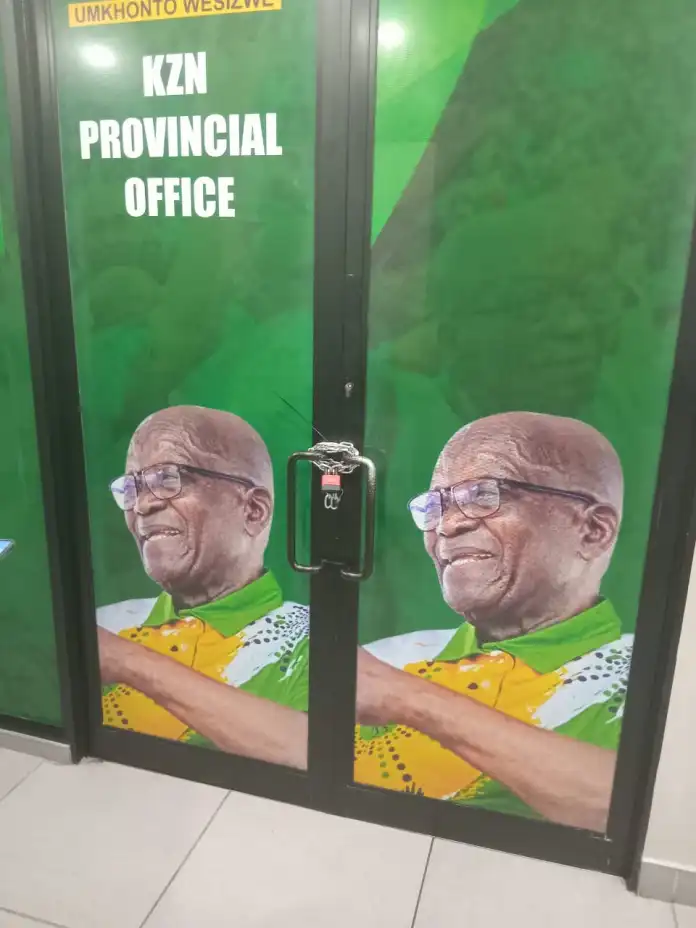
The MK Party’s KwaZulu-Natal (KZN) provincial offices in Durban were reportedly locked by the landlord on Thursday, 7 July 2026 (or around that date), due to alleged unpaid rent.
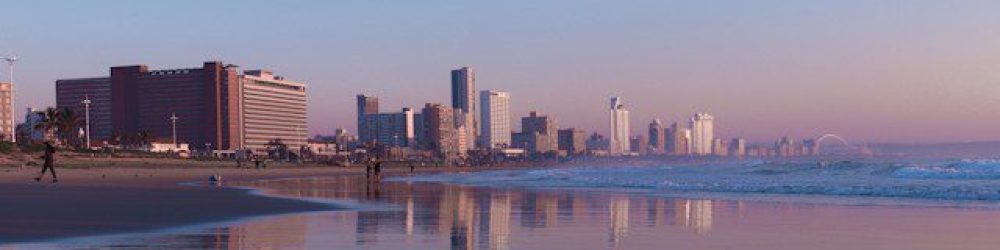
This incident occurred at the Victoria Marine Building, located at 71 Margaret Mncadi Avenue in central Durban. According to Sunday World, building owners and caretakers arrived armed with padlocks and chains, instructed staff to pack their belongings, and secured the main entrance.
Key Details from Reports
- Insider Reactions: Senior party sources described the event as “shocking” and “embarrassing,” especially for a party with significant representation in Parliament and the KZN legislature. It raises questions about financial management and could disrupt party operations, including election campaign preparations. Some members are calling for accountability from provincial and national leadership regarding fund usage, with criticism directed at those close to party founder Jacob Zuma (“uBaba”).
- Party Response: MK Party spokesperson Sifiso Mahlangu dismissed the reports as “fake news” and claimed to be in the office. However, when pressed for verification (e.g., a video call), he reportedly did not engage further. Queries sent to KZN chairperson Willies Mchunu and secretary-general Siboniso Nomvalo went unanswered.
- Broader Context: This comes amid ongoing leadership and internal challenges for the MK Party (uMkhonto weSizwe), founded by Jacob Zuma in 2024. The party has faced scandals involving membership issues, suspensions, expulsions, and legislative tensions in KZN.
Legal and Practical Considerations in South Africa
In South Africa, landlords generally cannot unilaterally lock out tenants without following proper legal procedures, even for unpaid rent. The Rental Housing Act and related laws typically require notices, opportunities for dispute resolution (e.g., via the KZN Rental Housing Tribunal), and court orders for eviction. Self-help measures like changing locks can lead to spoliation claims (restoration of possession) or other disputes.
Political parties renting office space are treated similarly to other tenants, though public scrutiny is higher. Non-payment could stem from cash flow problems, administrative delays, or disputes over lease terms—though reports here point to arrears.
Nuances and Edge Cases:
- If the lease allows certain remedies or if there was prior notice, the landlord’s actions might have some basis, but abrupt padlocking often invites legal challenges.
- Political parties may have access to public funding (e.g., via the IEC for represented parties) or donations, so financial strain could indicate internal mismanagement, rapid expansion costs, or external pressures.
- Staff displacement affects daily operations, morale, and public perception, particularly in a province where MK Party has shown strength.
Implications
This story highlights potential financial vulnerabilities for newer or populist parties like MK, despite electoral success. It fuels narratives of disorganization, especially post-2024 elections where MK emerged as a notable player but has dealt with internal turmoil.
For supporters, it raises accountability questions; for critics, it provides ammunition on competence. It could prompt internal reviews, legal action against the landlord, or relocation efforts. Party work in KZN— a key stronghold—may face short-term hurdles.