

March and March is a South African civic movement founded in March 2024 by Jacinta Ngobese-Zuma (a former radio presenter from Vuma FM in KwaZulu-Natal). It focuses on advocating for stricter enforcement of immigration laws, particularly targeting undocumented/illegal immigrants.
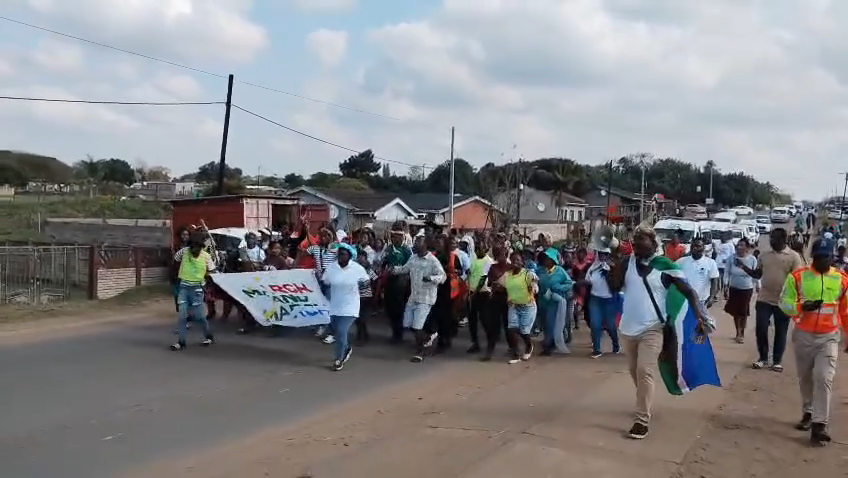
The group uses slogans like Mabahambe (“They must go”) and has aligned rhetorically with groups like Operation Dudula. It claims tens of thousands of supporters, operates as a non-profit, and funds itself through donations and merchandise. Its activities include protests, “clean-up” campaigns, factory/shop inspections, and handing over suspected undocumented individuals to police (often described by critics as vigilante actions or citizen arrests).
Context of the 2026 Anti-Illegal Immigration Campaign
In 2026, March and March escalated its efforts:
- They ended earlier clinic/hospital gatekeeping campaigns and shifted to broader nationwide protests.
- They set an unofficial “30 June 2026” deadline for undocumented foreigners to leave South Africa, blaming them for unemployment, crime, drug proliferation, strain on services (e.g., housing, healthcare, schools), and economic displacement (e.g., spaza shops, jobs).
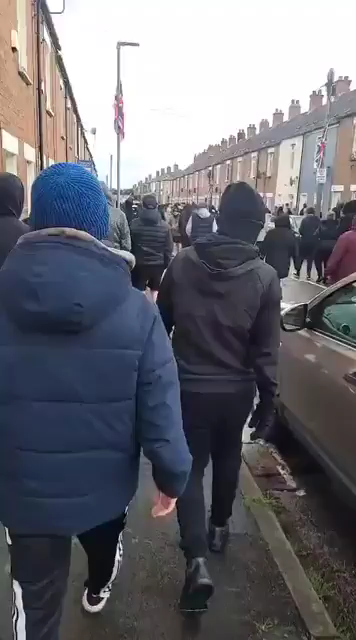
- On 30 June, coordinated marches occurred across all provinces (largest since 2008 xenophobic violence), with major turnouts in Johannesburg, Durban, Pretoria, Cape Town, and smaller ones in towns including areas in KZN. Protests were largely peaceful but involved isolated violence, intimidation, looting, and shop closures.
- Leader Jacinta Ngobese-Zuma vowed weekly Thursday marches for six months (until around end-2026/local elections) unless demands were met, including more Border Management Authority (BMA) staff (~10,000), mass deportations, legal amendments, and prioritizing South Africans for jobs/housing.
Post-30 June, actions continued with “labour inspections,” door-to-door operations in areas like Alexandra, Pietermaritzburg (“Little Somalia”), and other spots, sometimes leading to forced shop closures, assaults, or clashes. Government and police have deployed heavily, made arrests (many of undocumented foreigners), and rejected vigilante enforcement while acknowledging some public concerns.
Nseleni Specifically
Nseleni (in uMhlathuze Municipality, King Cetshwayo District, KZN, near Richards Bay/Empangeni) has not featured prominently in major national coverage of March and March events as a primary site (unlike Durban’s Point precinct, Soweto, or Pietermaritzburg). KZN has been a key province for the movement due to its Durban base and local frustrations. Marches and operations have occurred across KZN townships and towns, with engagements involving local leaders, SAPS, and politicians.
A specific “march in Nseleni” led by March and March may refer to a local or smaller-scale action as part of the rolling weekly protests/campaigns in KZN. These often involve community mobilization against alleged undocumented migrants in shops, housing (e.g., RDP), or businesses. No high-profile incidents uniquely tied to Nseleni appear in recent reports, but the area fits the pattern of KZN activism. Earlier unrelated marches (e.g., 2010 men’s march on crime) show Nseleni has a history of community action.