


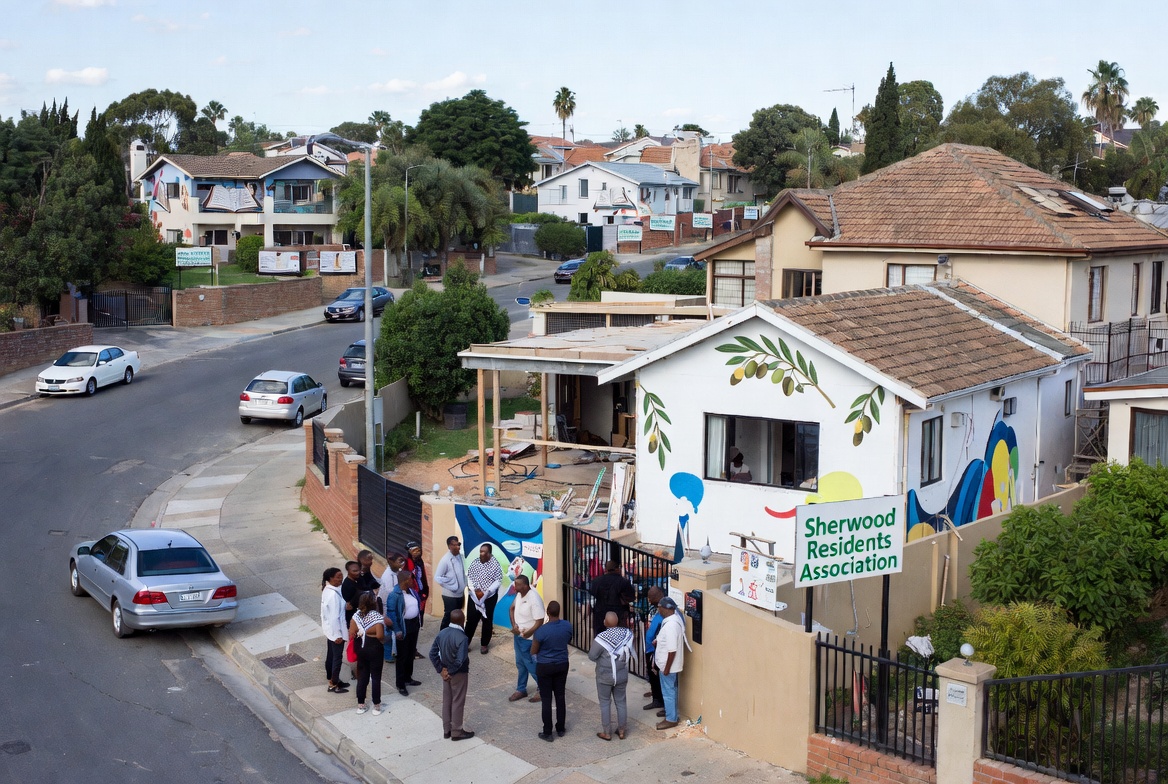
This is a recent local development (as of July 2026), centered on land-use, zoning, consultation processes, and potential neighborhood impacts in a residential area. Here’s a balanced, multi-angle overview based on available reporting.
Background on the Project
Palestine House SA is an independent organization aiming to establish a cultural and community hub focused on human rights, Palestinian heritage, education, and activism. The vision for the centre includes:
- An indoor/outdoor exhibition space.
- A learning academy.
- A media hub.
- A coffee shop.
- Additional elements like youth skills training, art classes, a library, film screenings, and community initiatives (e.g., food distribution for the homeless).
The project involves refurbishing an old house on the property. Organizers, including spokesperson and trustee Shabnam Palesa Mohamed, describe it as a volunteer-driven effort to address human rights issues (including children’s rights and South Africa’s unemployment challenges) and provide empowerment opportunities in Durban. They emphasize it will enhance the community through cultural exchange and education.
SRA’s Concerns
The SRA, representing local residents, has expressed several specific issues in correspondence and statements:
- Lack of detailed information and transparency: They claim they were not provided with a written, comprehensive outline of interim and long-term plans, including a traffic management plan. Concerns raised in a January 2026 meeting were reportedly not fully addressed.
- Zoning and regulatory compliance: No building plans submitted or rezoning approved for the intended non-residential use (at the time of their statements). They sought guidance from the eThekwini municipal building inspectorate.
- Consultation shortcomings: As immediate neighbors and stakeholders, they expected early, proactive engagement. Reports of instructions to withhold further communication with the SRA raised further alarms.
- Potential residential impacts: Increased traffic, parking demands, visitor numbers, and changes to the character of a residential suburb. The property is not a gated estate.
Importantly, the SRA has clarified that it does not object in principle to a temporary facility or the noble concept of a human rights centre. Their critique focuses on the process and handling, which they say undermines the principles the centre seeks to promote.
Local DA councillor Warren Burne has also queried the municipality on compliance with current zoning.
Palestine House SA’s Response
- Engagement efforts: Two meetings were held, including a tour of the property. Plans were presented openly, and input from SRA was welcomed. Visits would be managed via online bookings, with sufficient on-site parking. A traffic impact assessment would be done if required by the municipality.
- Compliance: Plans have been submitted; rezoning is in process. No full operations until approvals are secured. They are following council by-laws and view the property as suitable for this purpose.
- Broader context: The team consists of part-time volunteers involved in positive community work. They argue urgency due to global and local human rights needs, and that Durban deserves such a centre. Adjacent residents can raise specific objections through formal council channels.
Broader Considerations and Nuances
- Zoning and urban planning in Durban/eThekwini: Residential suburbs often face tensions when community, cultural, or commercial uses are introduced. South African municipal processes require proper rezoning, building plan approvals, and public participation for changes. Delays or disputes can halt work, as reportedly happened here after SRA involvement with inspectors.
- Community dynamics: Sherwood has seen other local issues (e.g., temporary shelters for foreign nationals), which may heighten sensitivity to changes in neighborhood character or resource strain.
- Human rights and activism angle: The project’s focus on Palestine and broader rights resonates with South Africa’s strong civil society and historical solidarity movements, but it can polarize views. The centre’s success will likely depend on balancing its mission with local integration.
- Stakeholder perspectives:
- Residents: Prioritize quality of life, traffic, property values, and due process.
- Organizers: Emphasize public good, volunteerism, and urgency for social impact.
- Municipality: Must enforce bylaws fairly while facilitating community initiatives.
- Edge cases: If scaled up without proper assessments, risks include congestion or noise. Conversely, overly restrictive processes could stifle positive community projects. Transparent mediation could resolve this.
This situation highlights classic tensions in urban development: balancing innovation/community benefit with local consent and regulation. Outcomes will depend on municipal decisions, further consultations, and whether both sides can rebuild dialogue. For the latest updates, check sources like IOL or The Post, as developments are ongoing.
If you’d like more details, analysis from a specific angle (e.g., legal, planning, or social), help finding related documents, or anything else on this topic, let me know!