



Durban’s coastline, along South Africa’s KwaZulu-Natal (KZN) province on the Indian Ocean, is one of the country’s most iconic and economically vital coastal stretches. Centered in the eThekwini Metropolitan Municipality, it features warm subtropical waters, extensive sandy beaches, urban development, tourism infrastructure, and natural features shaped by waves, currents, rivers, and human intervention.
Geography and Physical Characteristics
Durban sits in the Durban Bight, a crenulate-shaped bay on a high-energy, wave-dominated coast. The eThekwini coastline spans roughly 100 km, from the uTongati River in the north to areas like the aMahlongwa River mouth in the south. It mixes sandy beaches, rocky outcrops, headlands, estuaries, and lagoons.
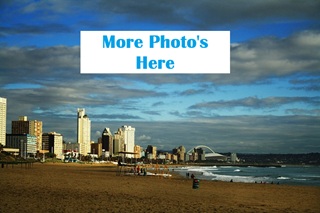
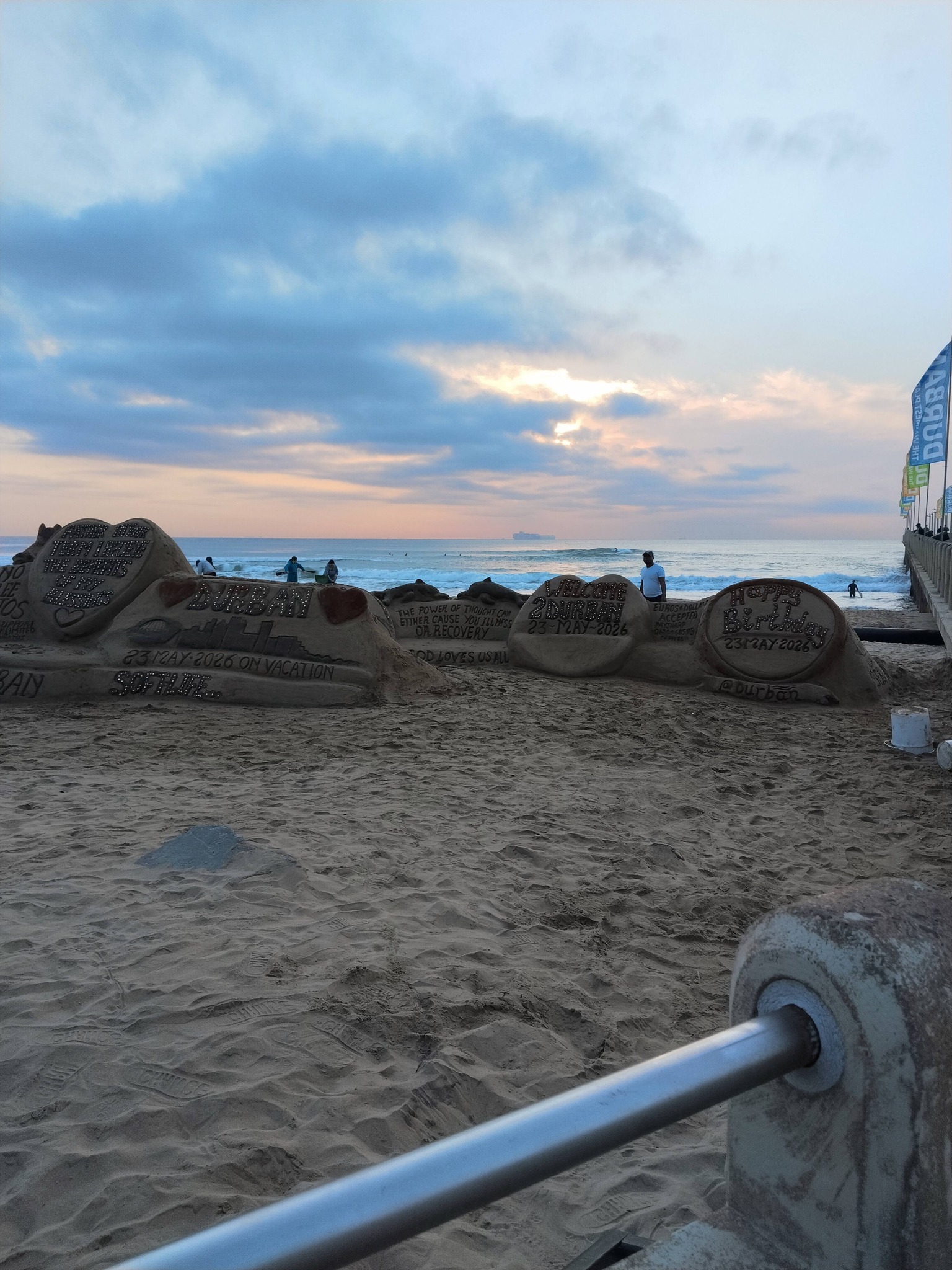
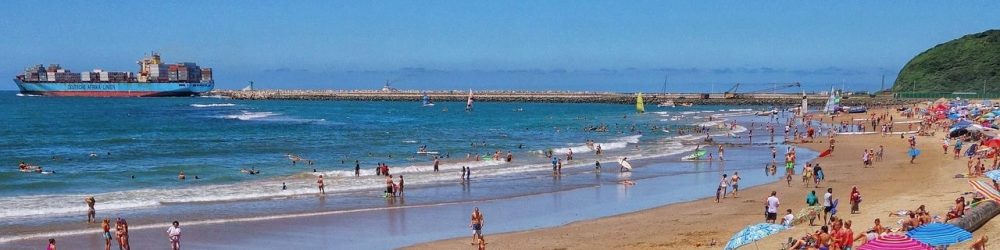
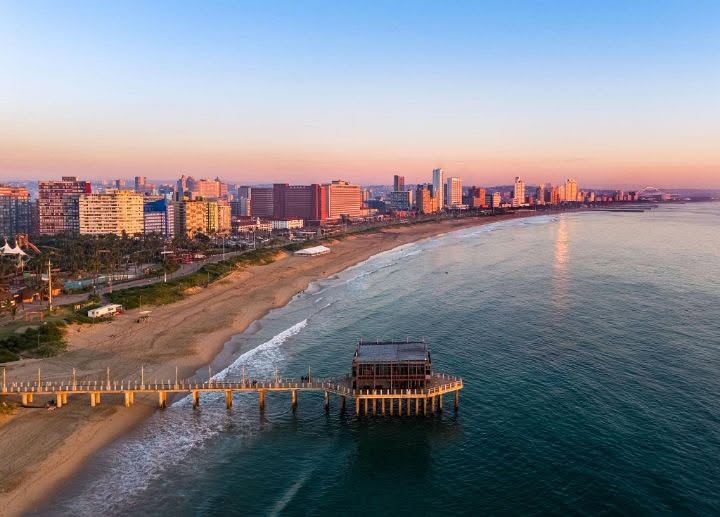
- Beaches and Promenades: The famous Golden Mile (or “The Mile”) forms the core urban beachfront, stretching about 6 km (sometimes described as part of a broader ~14 km developed stretch) from uShaka Beach in the south to Suncoast Casino in the north. It includes North Beach, South Beach, Bay of Plenty, Addington Beach, and others, separated by piers. An 8.5 km promenade supports walking, cycling, and skating.
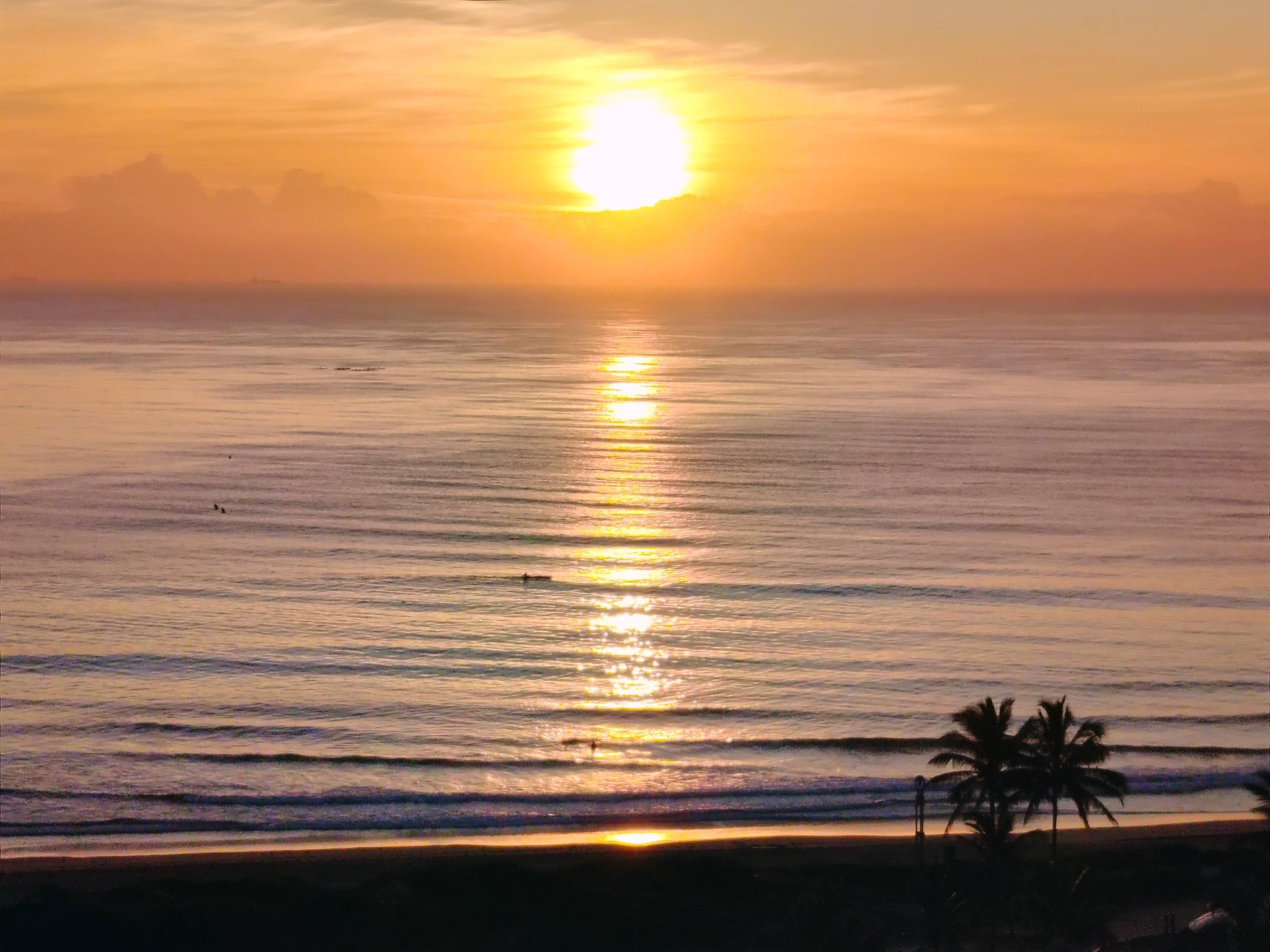
- Water and Climate: Warm Indian Ocean waters (typically 19–28°C year-round, warmer in summer) enable swimming most of the year. Subtropical climate brings high humidity, summer rains, and exposure to southeast swells, cyclones, and Agulhas Current influences.
- North and South Extensions: Northward: uMhlanga Rocks (with promenade, lighthouse, and Whalebone Pier), Umhlanga Main Beach, and the Dolphin Coast (Ballito, etc.). Southward: Bluff area, Amanzimtoti, and the South Coast with tidal pools and more varied rocky/sandy shores.
The coast features dissipative to intermediate beaches with bars, rip currents, and some protection from shark nets and lifeguards on popular stretches.
Key Attractions and Activities
Durban’s coastline drives tourism as a major draw for locals and visitors:
- Golden Mile Highlights: uShaka Marine World (aquarium, water park, dolphin shows), Suncoast Casino, piers for surfing/fishing, Skate Park, and the promenade’s vibrant atmosphere.
- Beaches by Character:
- North Beach: Surfing, active vibe.
- uShaka/South Beach: Family-friendly, entertainment-focused.
- Umhlanga: Upscale, scenic with lighthouse and promenade.
- Others like Thompsons Bay (safe swimming, tidal pool), Pipeline, or more southern spots offer variety.
- Activities: Surfing (beginner to advanced spots like Cave Rock area), swimming, fishing, paddling, dolphin/whale watching (especially during the Sardine Run in winter), walking trails, and tidal pools along the South Coast.
- Cultural/Historical Notes: Sites reflect Zulu heritage (e.g., uShaka naming), colonial history, and landmarks. Cave Rock on the Bluff, a former sandstone formation, was dynamited in the 1940s during WWII for security reasons (to avoid aiding enemy navigation or blocking defenses).
The area supports millions of visitors annually, with infrastructure like Blue Flag beaches and events boosting appeal.
History and Development
Durban’s coastline evolved from natural shores used by indigenous communities to a colonial port city. The harbor (Africa’s busiest container port) profoundly influences the coast through breakwaters that interrupt natural sand drift, necessitating ongoing human intervention.
Post-2007 storms and harbor expansions accelerated changes, leading to beach nourishment programs (pumping sand from the harbor or offshore). The promenade and defenses (groynes, geotextiles, sandbags) developed over decades to protect infrastructure.