






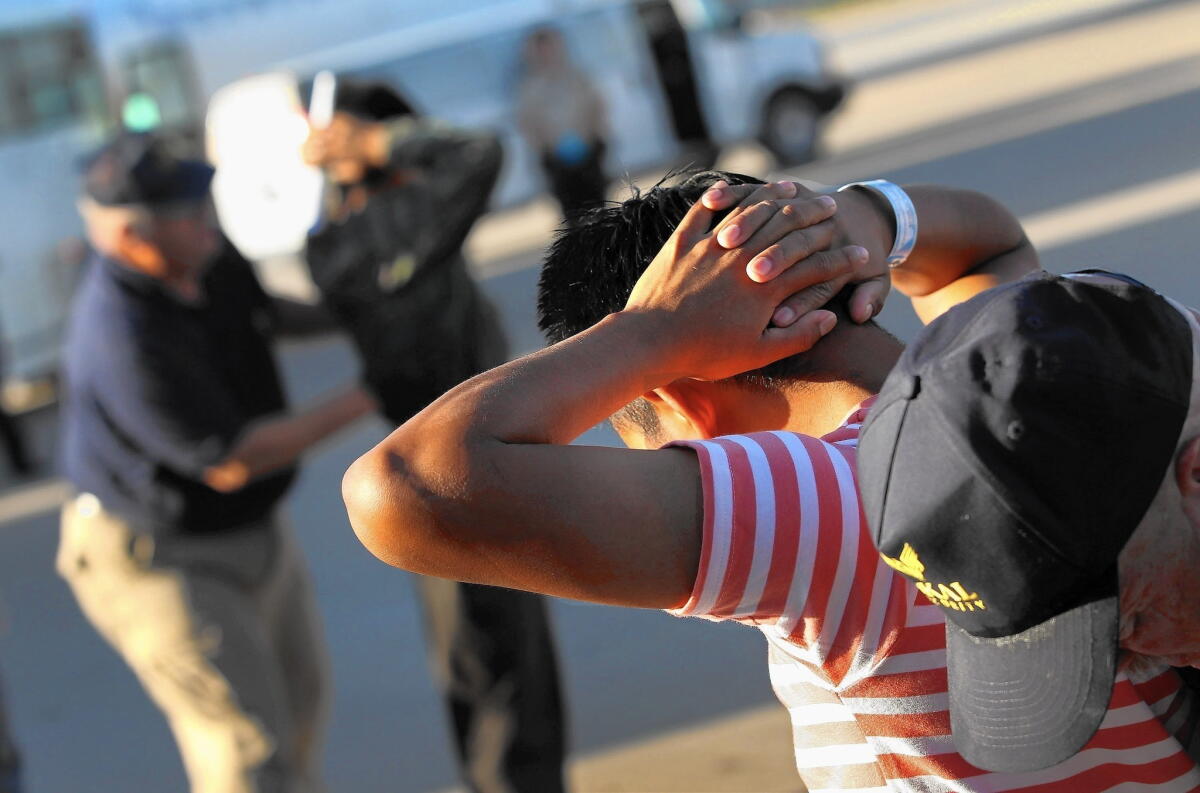
The individuals are from Latin America (specific nationalities not disclosed). This marks the fifth batch of such transfers since the first group arrived in July 2025, bringing the cumulative total of people sent from the U.S. to the southern African kingdom to more than 30.
The Eswatini government described the arrivals as occurring “following consultations and agreements between the U.S. and Eswatini” and referred to them as “third-party nationals” or “third-country nationals.” Officials did not name the individuals, provide further personal details, specify their legal status or criminal histories (if any), indicate where they would be held, or state how long they might remain in the country. Prior groups have typically been held at the Matsapha Correctional Complex (a maximum-security facility near Manzini).
Background on the U.S.–Eswatini arrangement
The arrangement originated in 2025 under the Trump administration’s expanded third-country deportation (or “safe third country”) policy. The U.S. has paid Eswatini approximately $5.1 million, described as support for border and migration management capacity, in exchange for the kingdom accepting up to around 160 people who cannot readily be returned to their countries of origin (often because those countries refuse them or because of other barriers).
Earlier batches included:
- July 2025: Initial group of five men (nationals of Vietnam, Jamaica, Cuba, Yemen, and Laos), described by U.S. officials as convicted of serious crimes.
- October 2025: About 10 more (including from Cambodia, Chad, Cuba, Ethiopia, Haiti, the Philippines, and Vietnam).
- March 2026: Four more (two from Somalia, one from Sudan, one from Tanzania).
- July 2026: Eleven more (predominantly from African countries, according to some reports).
Of those previously transferred, only a small number have left: a Jamaican man was repatriated in September 2025; a Cambodian man (Pheap Rom) was released for repatriation around March 2026 after months in detention; and more recent voluntary repatriations have included individuals from countries such as Mauritania, the Democratic Republic of Congo, and Somalia. Some Jamaican nationals among the earlier arrivals reportedly declined offers of repatriation. Many of the remainder have remained in detention in Eswatini even after completing any U.S. criminal sentences.
The U.S. has pursued similar (often secretive) third-country deals with numerous other nations, including several in Africa (e.g., South Sudan, Rwanda, Ghana, Liberia—which has agreed to take a larger number—and others), as well as countries in Asia and the Americas. Critics, including immigration lawyers and human rights organizations, argue the practice can function as a workaround to due-process requirements or asylum claims and can leave people in prolonged limbo or detention in countries with which they have no ties.
Controversies and responses
Rights groups, pro-democracy activists in Eswatini, and lawyers have strongly criticized the deal. Concerns include:
- Detention of people who have already served U.S. sentences.
- Limited transparency (Eswatini authorities have not always provided full public details on identities, nationalities, legal status, or protection needs).
- Conditions and access to counsel (early groups reportedly faced months without lawyer access; Eswatini courts later ruled in favor of access in at least some cases).
- Broader human-rights and rule-of-law issues in Eswatini, an absolute monarchy under King Mswati III that has faced accusations of repressing dissent.
Local challenges to the agreement (including lawsuits arguing it is unconstitutional) have been pursued; a high-court case was dismissed earlier, with an appeal noted in some reporting. Amnesty International and others have issued urgent actions highlighting the expansion of the program and calling for safeguards. The Eswatini government has defended the arrangement as consistent with its sovereignty, humanitarian values, and international obligations, stating that the rights and dignity of the third-country nationals are protected while they are temporarily in the country and that efforts continue toward repatriation to countries of origin (often with support from partners such as the International Organization for Migration).
The latest arrivals occur against the backdrop of the Trump administration’s broader immigration enforcement efforts, which have included third-country removals to a wide range of destinations. Reporting indicates that while some deportees have criminal convictions, not all third-country removals under the wider U.S. program involve violent offenses, and some individuals may have no criminal record.
In short, the August 2026 announcement reflects the ongoing operation of a paid, controversial bilateral channel for third-country deportations. Details on the two newest individuals remain limited, consistent with the pattern of limited official disclosure surrounding these transfers. Further developments (repatriation progress, legal challenges, or additional arrivals) will likely continue to draw scrutiny from rights advocates, local civil society, and international observers.