



Background on the Takatso Deal
In June 2021, the government selected the Takatso Consortium—primarily Harith General Partners (around 80%), with Global Aviation and Syranix—as the preferred strategic equity partner (SEP). The plan involved Takatso acquiring a 51% stake for a nominal R51 plus a capital injection of about R3 billion over time, while government retained 49% and a “golden share” for national-interest protections. The deal was formalised in a February 2022 share-purchase agreement but faced prolonged delays.
Key complications included:
- Competition authority conditions requiring the minority partners (linked to Lift Airlines) to exit.
- A significant upward revaluation of SAA’s assets and business after the airline resumed operations and market conditions improved post-COVID. Earlier valuations had been far lower (one figure cited around R2.4 billion); later assessments put the business value higher and property assets around R5.5 billion.
- Disagreements over revised transaction terms.
In March 2024, then Public Enterprises Minister Pravin Gordhan announced that the parties had mutually agreed to terminate negotiations. There was “no clear path forward” on the revised structure. SAA reverted to 100% state ownership, with plans for a new corporate strategy focused on more routes and aircraft, plus an aviation strategy advisor.
Developments Since the Collapse
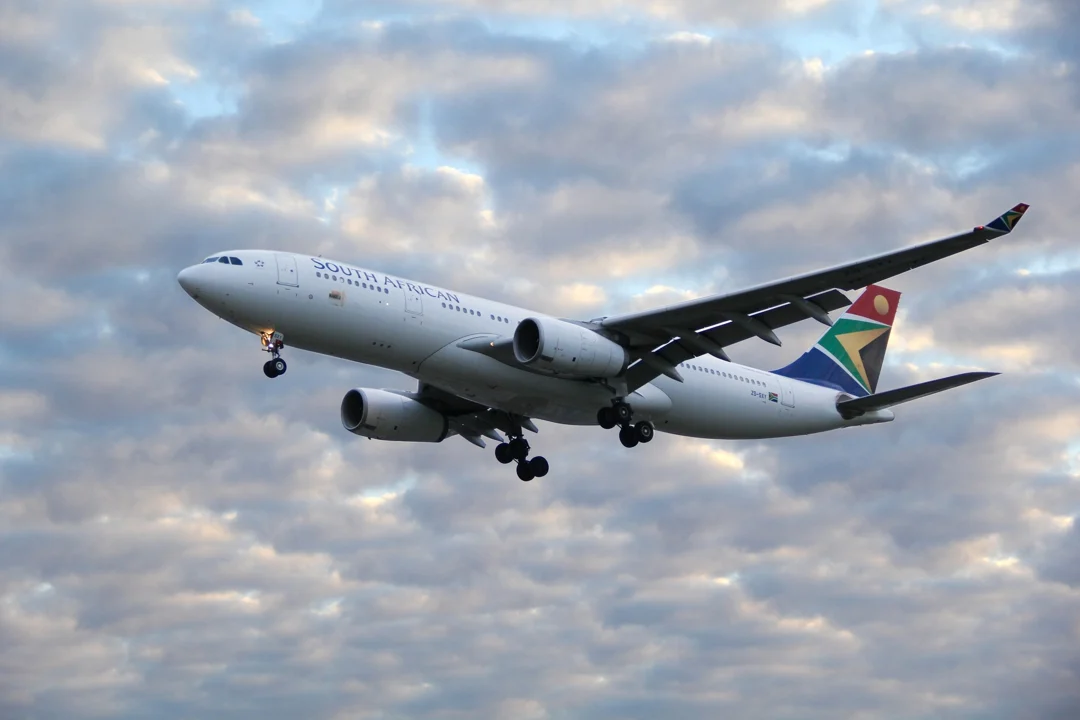
After the deal fell through, SAA continued under interim leadership (including then-CEO John Lamola) and emphasised operational recovery funded by its own revenues rather than ongoing bailouts. The airline has rebuilt routes, expanded codeshare partnerships (including with Emirates, CemAir, Turkish Airlines and others), and leveraged Star Alliance membership. Leadership has indicated openness to new equity partners or financing options to support growth, fleet expansion and competitiveness, while stressing that any such process would be a shareholder decision.
Oversight shifted to the Department of Transport. A new SAA board was appointed in 2025. Parliamentary reports from 2025 noted that the SEP process had ended due to the valuation disagreement and that SAA was approaching lenders for facilities. The airline has reported progress on audits and modest profitability in some periods, though challenges such as fuel costs, fleet needs and historical financial reporting issues persist. Government messaging has consistently stressed no further bailouts and the need for commercial sustainability.
Current Context and Implications
The renewed search for a partner aligns with long-standing recognition that airlines often require ongoing capital for fleet, routes and competition. Potential structures could again involve a majority or significant minority private stake, with government retaining influence via a golden share or similar mechanism, and possible eventual listing aspirations previously mentioned by management.
Challenges for any new process include:
- Attracting credible investors given past delays, valuation disputes and political sensitivities around privatisation of a national carrier.
- Balancing commercial viability with public-interest goals (transformation, route network, employment).
- Competition from established domestic and regional players, plus global aviation pressures (fuel, geopolitics, capacity).
- Ensuring transparent, competitive selection after criticisms of the original Takatso process.
Harith has continued aviation-related activity elsewhere (for example, interest in or deals involving other carriers), but the current SAA process is separate. No specific new bidders or formal tender details have been widely publicised in open sources as of the latest reports.
In summary, nearly two years after the Takatso termination in March 2024, SAA under Department of Transport oversight is again exploring a strategic partner to support sustainable growth. This continues the post-business-rescue effort to stabilise the airline commercially while reducing reliance on the fiscus. Further official announcements from the Department of Transport or SAA would clarify the process, timelines and any preferred structures.