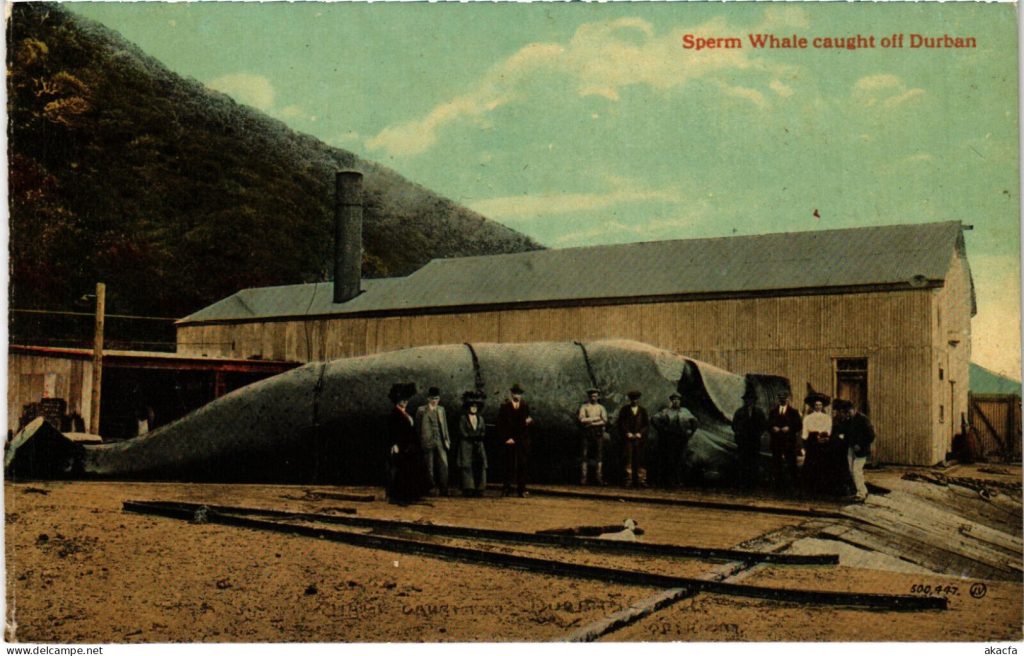





The Durban Whaling Station (also known as the Bluff Whaling Station) was one of the largest land-based whaling operations in the southern hemisphere. It operated on Durban’s Bluff from 1907 until 1975.
History
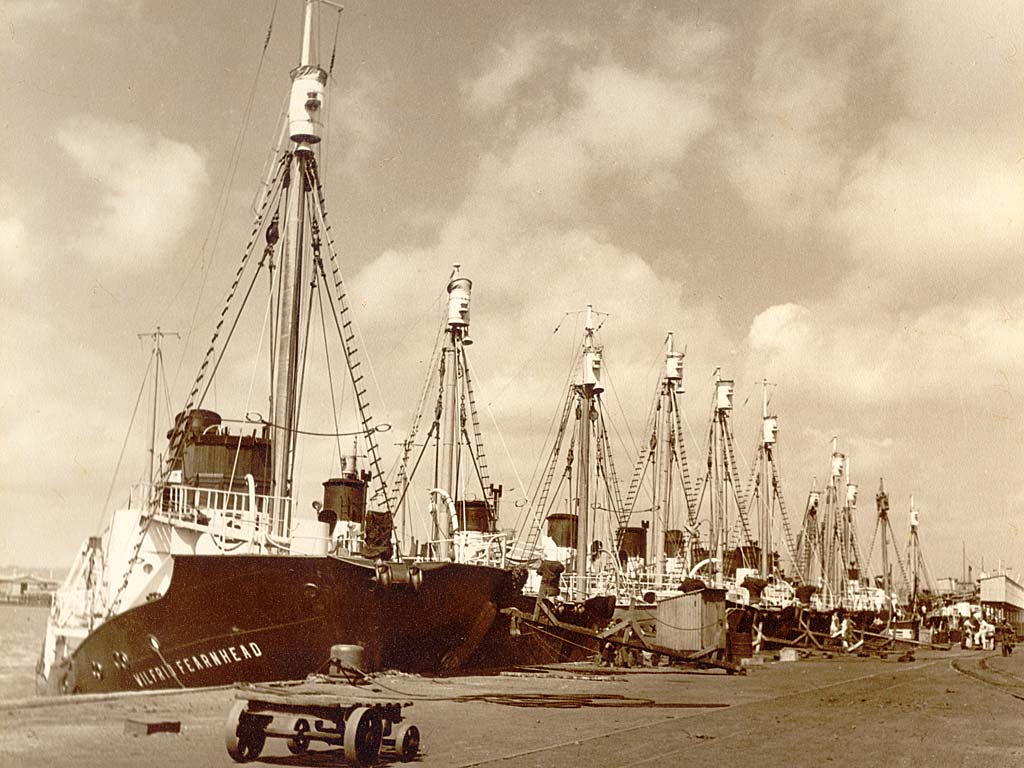
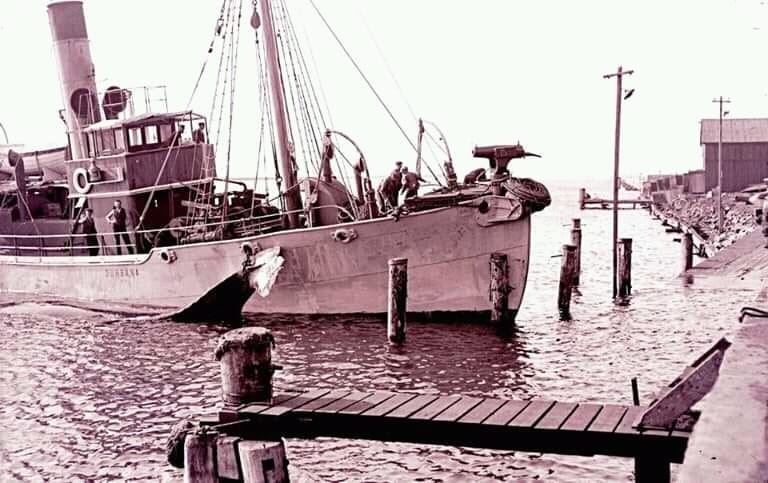
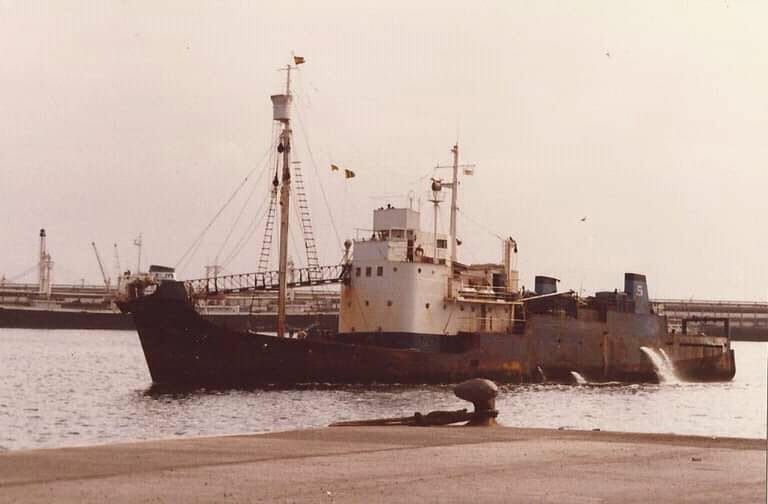
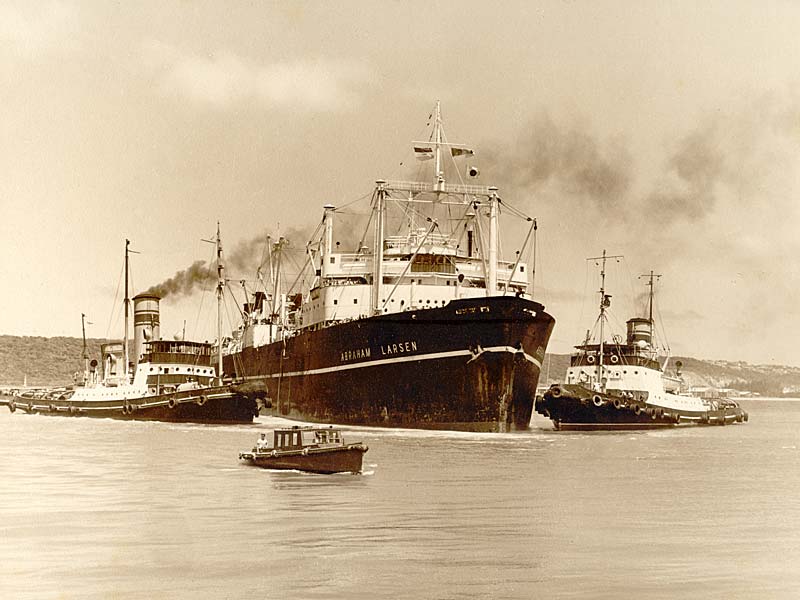
Norwegian entrepreneurs Jacob Egeland and Johan Bryde established the station in 1907 (operations began in 1908). They used catcher boats with explosive harpoon guns to hunt whales migrating along the KwaZulu-Natal coast. The season typically ran from March to September.
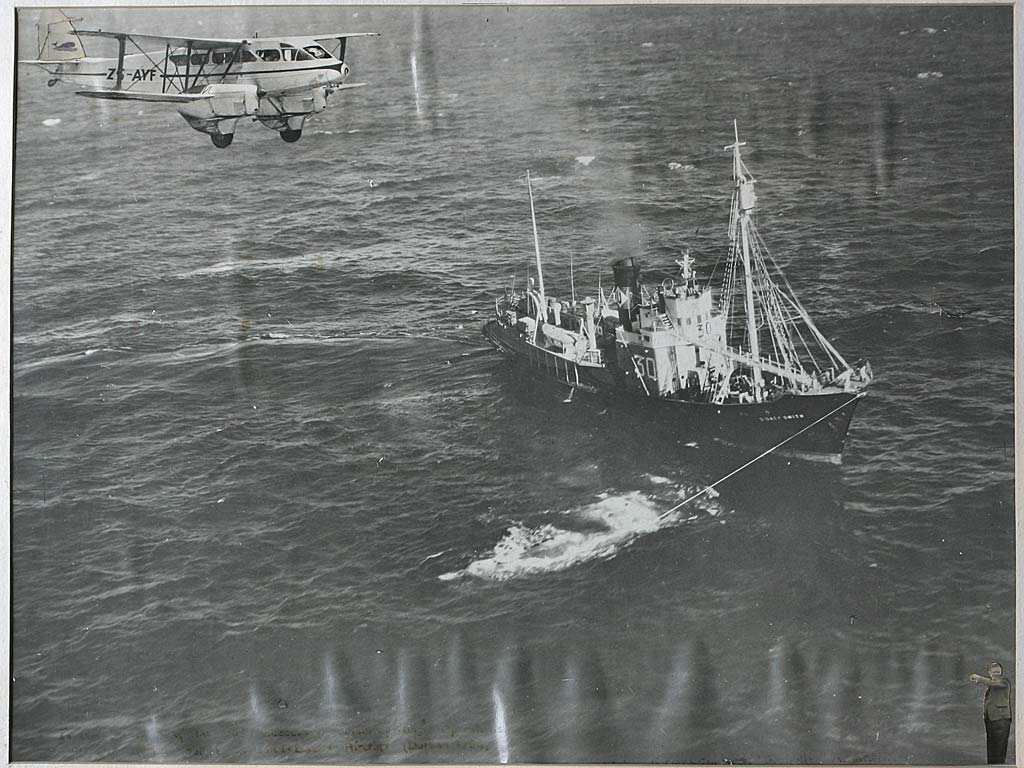
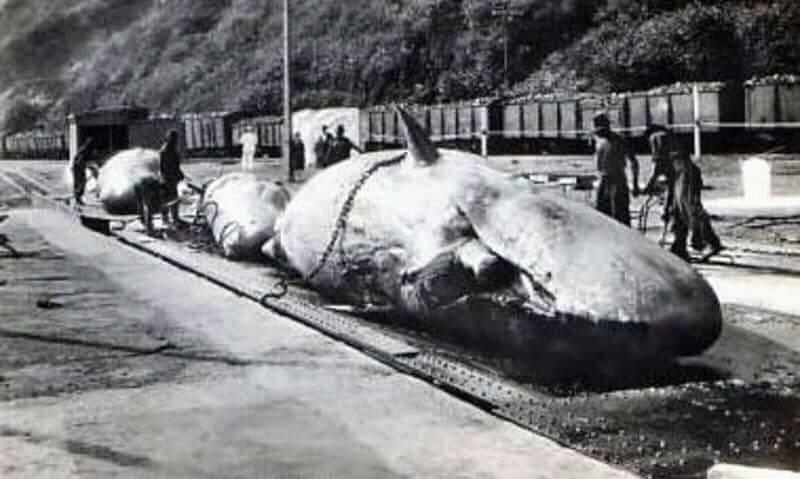
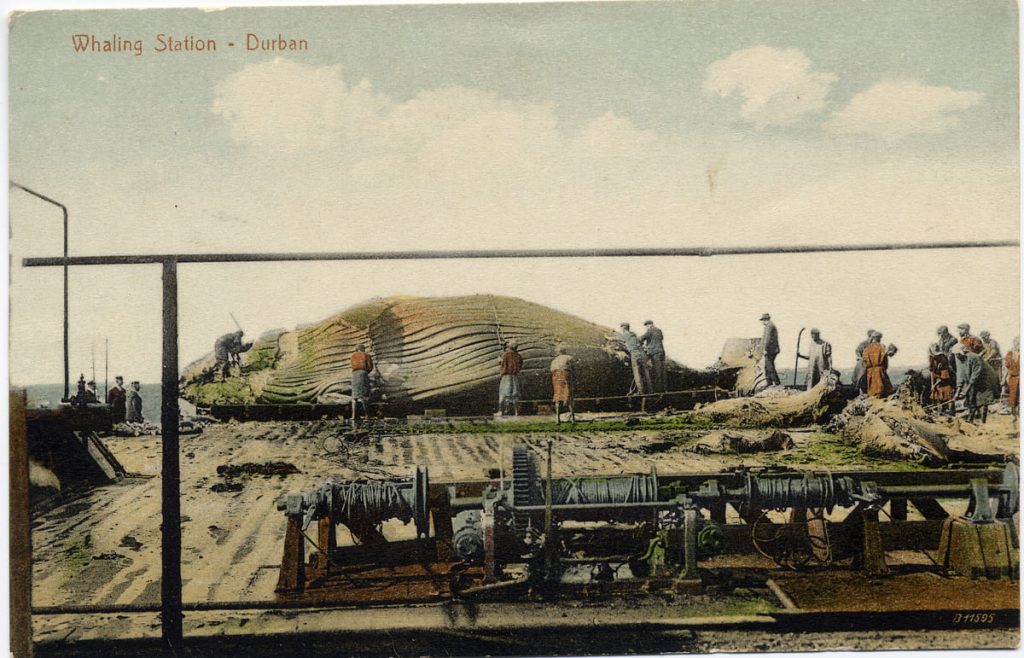
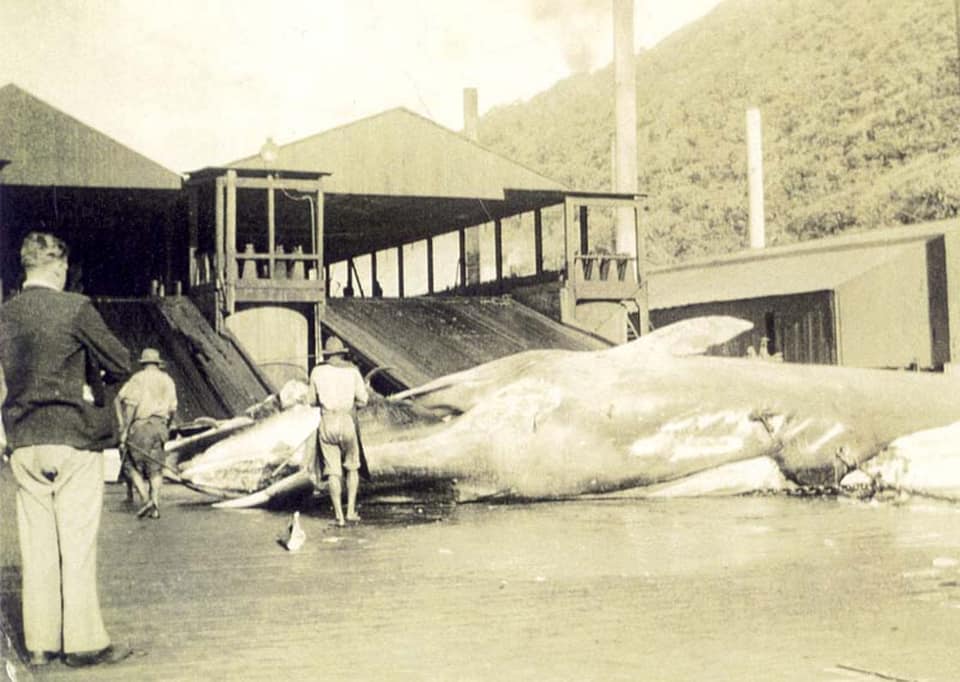
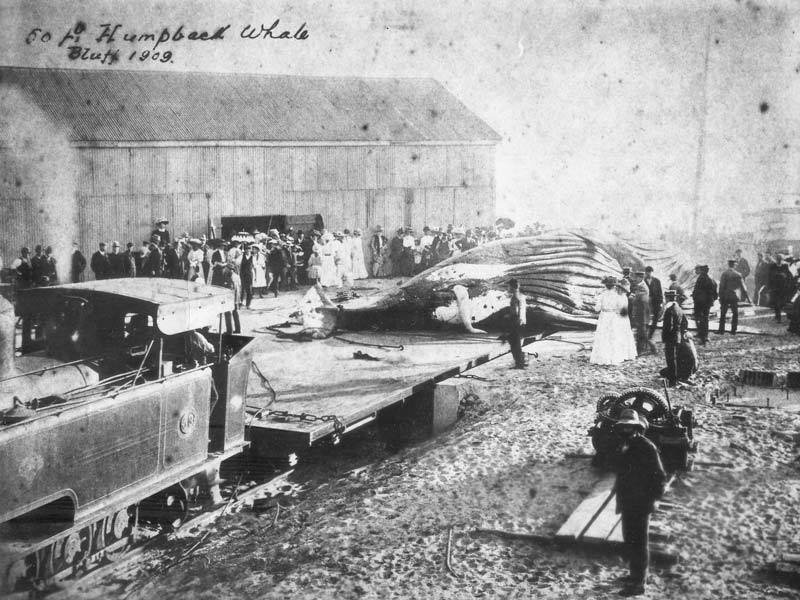
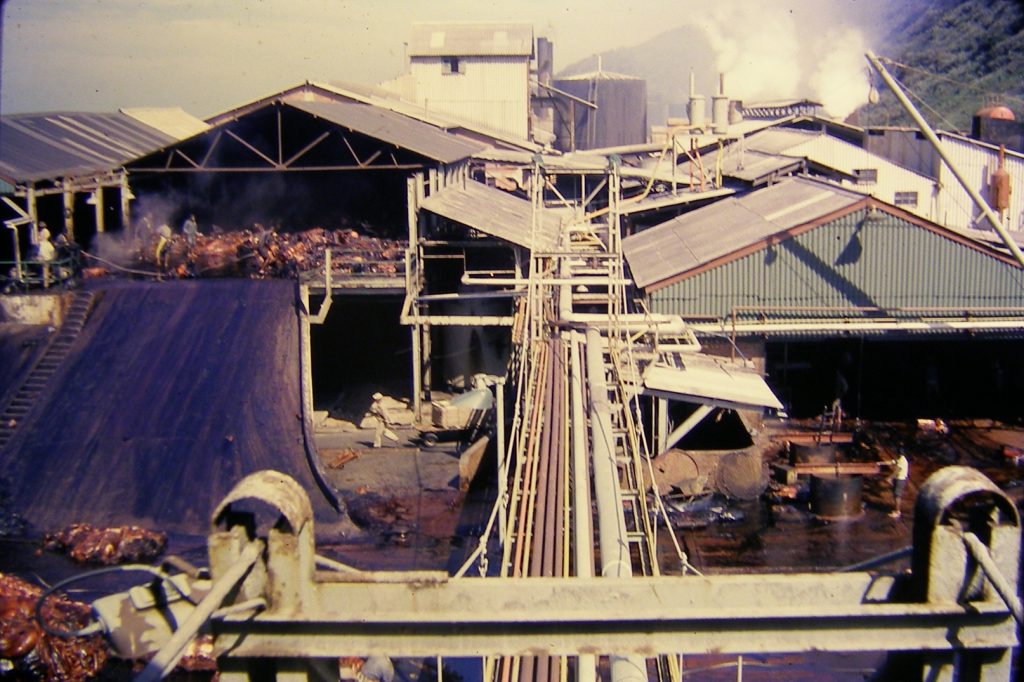
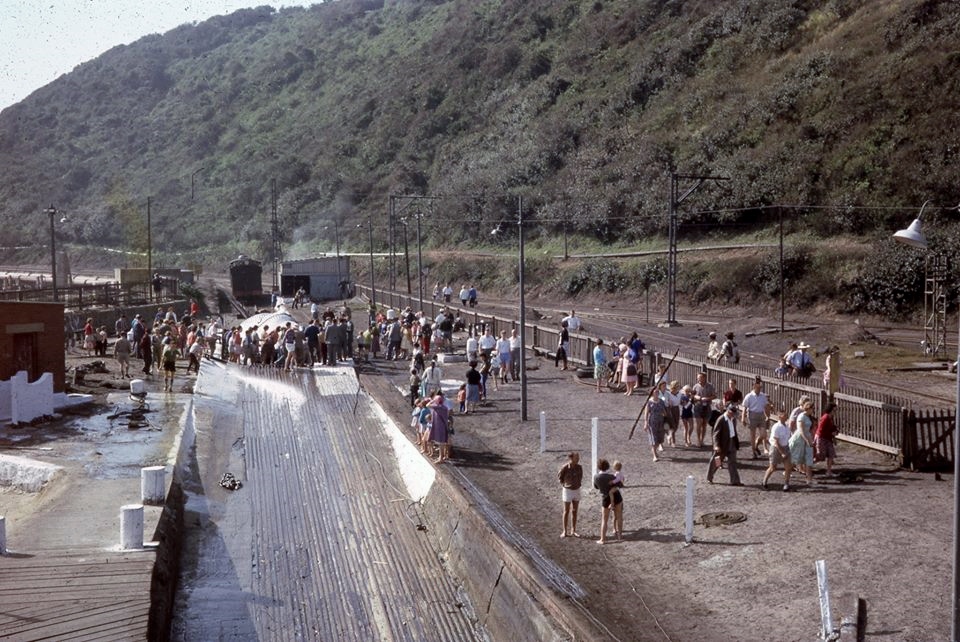
Whales were towed into Durban Harbour, hauled up a slipway (initially on the bay side of the Bluff, later moved to the seaward side due to the overwhelming smell and sharks attracted by blood and offal during flensing). A rail system then transported them to the processing plant.
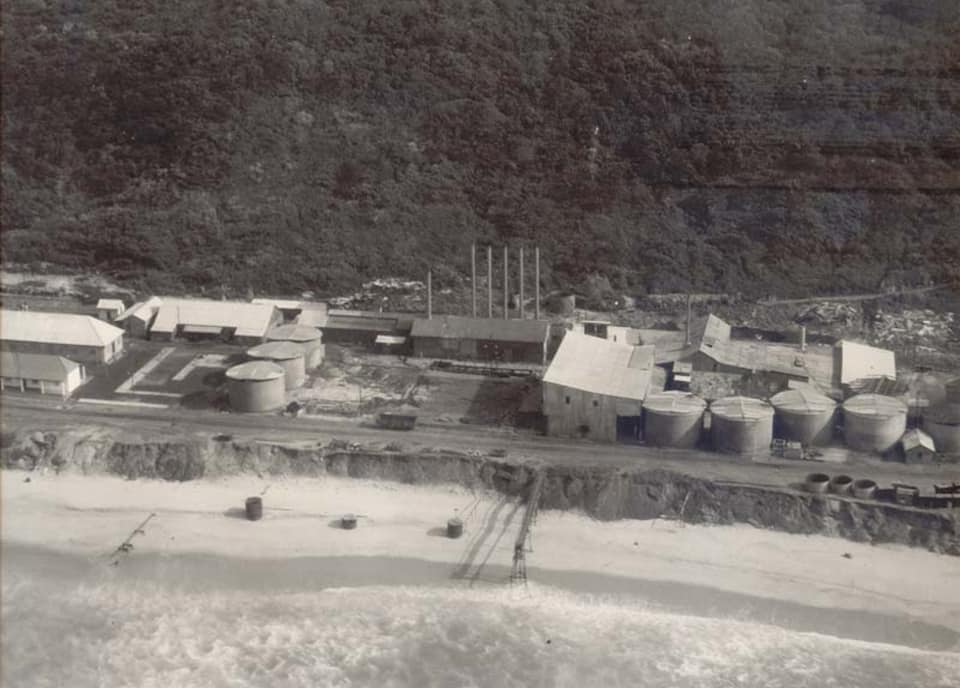
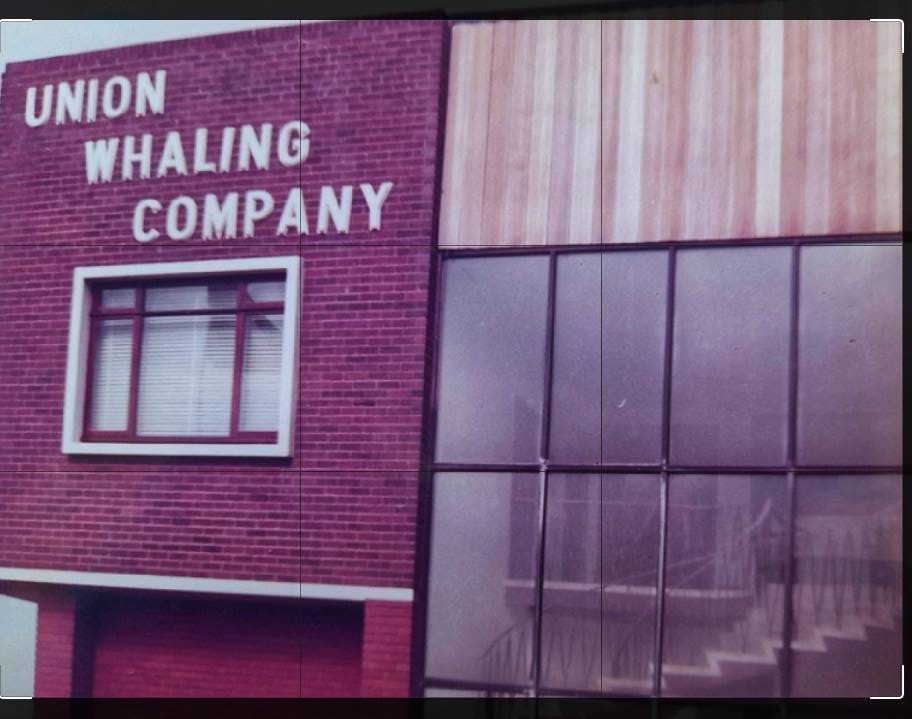
At its peak in the 1950s–1960s, the station (operated mainly by the Union Whaling Company after mergers) processed thousands of whales annually. Products included:
- Oil for soap, margarine, and lubricants
- Meat for food or animal feed
- Bone meal
- Other by-products like spermaceti and ambergris
The operation involved catcher boats, aerial spotting planes, and a large workforce. It was a major industry that shaped Durban’s maritime economy but also caused environmental complaints about odour and pollution.
Over time, larger whale species (fin, sperm, sei) were heavily depleted, leading to a shift to smaller minke whales from 1968 onward. Global conservation pressure, rising fuel costs, and declining catches contributed to closure in 1975. South Africa banned whaling completely in 1979.
Current State and Location
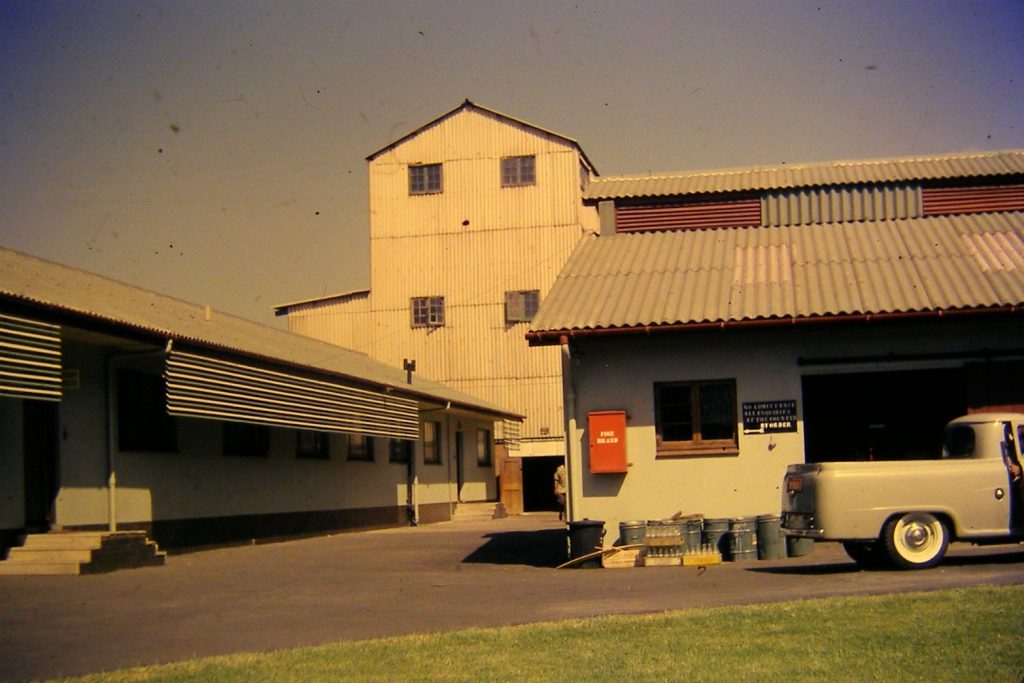
The site now consists of atmospheric ruins on the seaward side of the Bluff (near Cave Rock and Brighton Beach). Remaining structures include the head office, laboratories, workshops, boiler house, cannery, meat meal store, kitchen/dining areas, and staff accommodation. Many are crumbling, graffiti-covered, and have ocean views through broken walls — creating an eerie, historic feel. The area is within or near a military base zone, so independent access is restricted.
Here are some views of the ruins today:
Visiting the Site
The best (and safest) way to visit is on a guided Whaling Station Walk with Durban Walking Tours. These popular hikes explore the ruins while sharing the full history.
- Duration: 4–4.5 hours
- Distance: ~9–10 km
- Cost: R320 per person (a portion supports local tourism initiatives)
- Meeting point: Maha Café, 5 Mahatma Gandhi Road, Point, Durban
- Requirements: Basic fitness level; not recommended for children under 10
The tour often includes coastal paths, tunnels, and panoramic ocean views alongside the station remains. Book via durbanwalkingtours.co.za or contact them directly.
From Whaling to Whale Heritage
The Bluff has transformed dramatically. When the station closed in 1975, humpback whale numbers in the area were critically low (~340 estimated). Today, over 7,000 humpbacks migrate past Durban annually (May–December), along with other cetaceans like southern right whales, minkes, and dolphins.
In 2019, the Bluff became the world’s first certified Whale Heritage Area (alongside Hervey Bay, Australia). Local groups like Sodurba promote conservation, whale watching, education, and events such as the Welcoming of the Whales Festival. The old station site is gradually being developed as a heritage and eco-tourism hub to tell this story of change — from exploitation to protection.