



The Unsung Heroes of Music: A Love Letter to Small-Time Musicians
To every small-time musician reading this: You’re not “small.” You’re essential.
In an era where streaming platforms flood the world with over 100,000 new tracks every single day, the spotlight often shines brightest on superstars with millions of followers and label-backed marketing machines. But behind the viral hits and arena tours lies the beating heart of the music industry: the small-time musicians.
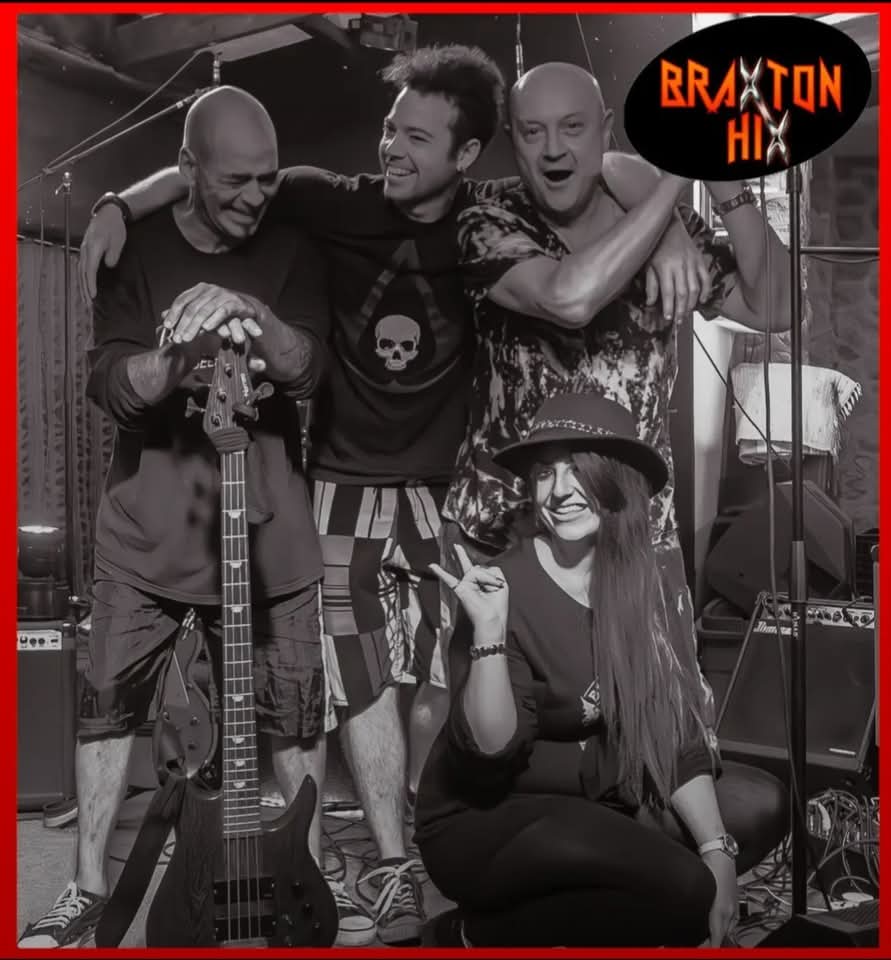
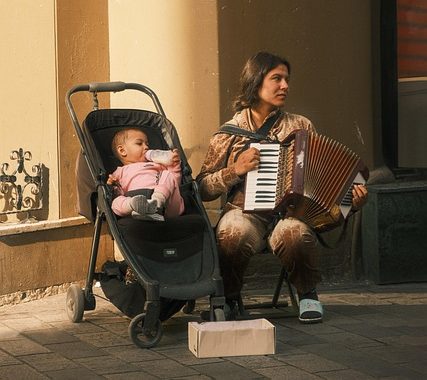
These are the artists recording in bedrooms, garages, or tiny home studios. They juggle day jobs, family responsibilities, and late-night songwriting sessions. They self-fund their releases, handle their own marketing, and play to crowds of 20–50 people in dimly lit venues. They are the indie dreamers, the bedroom pop pioneers, the local legends who may never “make it big”—but whose music touches lives in profound, personal ways.
If you’re one of them, or you’ve ever supported one, this post is for you.
The Reality of Being a Small-Time Musician in 2026
Being independent in 2026 is both exhilarating and brutally challenging. On one hand, the barriers to entry have never been lower. Tools like GarageBand, free DAWs, affordable interfaces, and distributors such as DistroKid or TuneCore mean anyone with talent and a laptop can get their music onto Spotify, Apple Music, and beyond.
On the other hand, the competition is fiercer than ever. Streaming payouts remain tiny for most artists (with the vast majority of revenue going to the top 1%). A recent survey found that 82% of independent artists can’t afford to tour, with many turning down opportunities purely due to costs. Promotion is exhausting—algorithms favor consistent, high-engagement content, and organic reach on social media continues to decline.
Many small-time musicians wear every hat: songwriter, producer, marketer, booking agent, graphic designer, and accountant. Burnout is real. Yet, the DIY spirit thrives. Platforms like Bandcamp and SoundCloud still allow direct fan connections, and niche communities (local scenes, genre-specific Discords, or TikTok micro-trends) offer genuine discovery paths that major labels often miss.
The truth? Most small-time musicians won’t quit their day jobs. But many are building sustainable, if modest, careers through smart diversification: merch, sync licensing (music in ads, shows, or games), Patreon-style fan subscriptions, teaching lessons, and consistent live gigs in their region.
Inspiring Stories from the Bedroom to (Sometimes) the Big Stage
The beauty of the small-time path is that it has produced some of music’s biggest surprises:
- Billie Eilish and her brother Finneas started in their childhood bedroom, recording “Ocean Eyes” on basic equipment. It went viral on SoundCloud and changed pop forever.
- Clairo uploaded raw, intimate tracks from her bedroom, leading to a devoted fanbase and major success.
- Russ released a song a week from his basement for years, building everything himself before landing platinum records.
- Countless others—like Steve Lacy (who produced hits on a laptop) or girl in red—prove that authenticity and persistence can cut through the noise.
Even artists who “made it” later in life, like Bill Withers (who released his debut at 32 after factory work) or Sheryl Crow, remind us that timelines aren’t linear. Many small-time musicians today are in their 30s or 40s, bringing life experience and emotional depth that resonates deeply.
These stories aren’t just fairy tales—they show that starting small doesn’t mean staying small. Consistency, unique voice, and real community building often matter more than perfection.
The Hidden Rewards of the Small-Time Life
While the struggles are real, so are the joys that big-time artists sometimes lose:
- Creative freedom: No A&R exec telling you to chase trends. You can experiment, fail, and evolve on your own terms.
- Direct connection: Your 500 true fans on Bandcamp or Instagram often feel like family. They show up to gigs, buy merch, and share your music because they believe in it.
- Personal growth: Juggling music with “real life” builds resilience, time management, and business skills that serve you far beyond the stage.
- Local impact: A small-time musician can be a hometown hero—playing weddings, community events, or school shows and inspiring the next generation.
In 2026, with AI tools assisting production and specialized indie-focused streaming services emerging, there’s more opportunity than ever to carve a niche. The key is shifting from “going viral” to building something sustainable.
Practical Tips for Small-Time Musicians in 2026
If you’re grinding it out right now, here’s what actually moves the needle:
- Treat it like a business (without losing the art): Set clear goals—e.g., release one single every 6–8 weeks, grow your email list, or play 12 local shows this year. Track what works.
- Build community, not just followers: Engage genuinely on socials. Share behind-the-scenes, stories, and process. Host listening parties, collaborate with local artists, or start a Discord for your fans.
- Diversify revenue early: Don’t rely on streaming alone. Sell merch, offer exclusive content on Patreon or Bandcamp, seek sync opportunities, and play live as much as possible (even small paid gigs add up).
- Master consistent, authentic content: Short-form video (Reels, TikTok, YouTube Shorts) is still powerful, but focus on value—cover stories, songwriting tips, or raw performances—rather than forced trends.
- Invest in yourself wisely: Improve songwriting first (hooks matter). Learn basic marketing and metadata best practices. Use free or low-cost tools to streamline your workflow and avoid burnout.
- Protect your mental health: Celebrate small wins. Connect with other indie musicians for support. Remember: making music that moves even one person is already a victory.
- Look for grants and opportunities: In 2026, dozens of funding programs, awards, and indie artist initiatives exist globally—research those open to your genre or location.
Final Thoughts: Your Music Matters
Small-time musicians are the lifeblood of music. You keep genres alive, push boundaries, and create the soundtrack for ordinary people’s lives—the late-night drives, heartbreak recoveries, and quiet triumphs.
You may never sell out stadiums, but your songs might be the one someone plays on repeat during their hardest season. That impact is priceless.
So keep creating. Keep releasing. Keep showing up. The industry needs more artists who play for the love of it—and the fans who champion them.