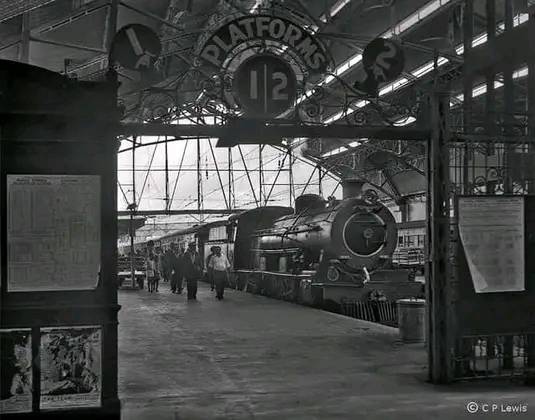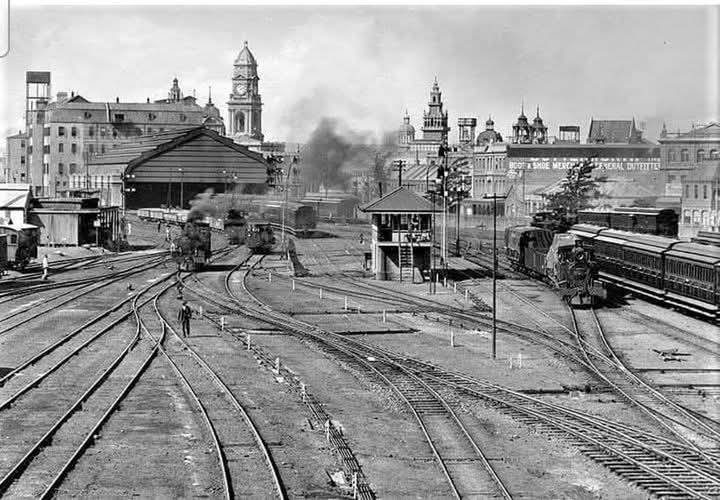



The Old Durban Railway Station (also known as the historic Central Durban Station) is a beautiful Victorian-era landmark in the heart of Durban, KwaZulu-Natal. Built in the early 1890s during a boom period for the Natal Government Railways, it opened to traffic around 1893, with the main two-storey central building completed in 1898 and later extended by two more storeys around 1903–1904.
Architecture and Design
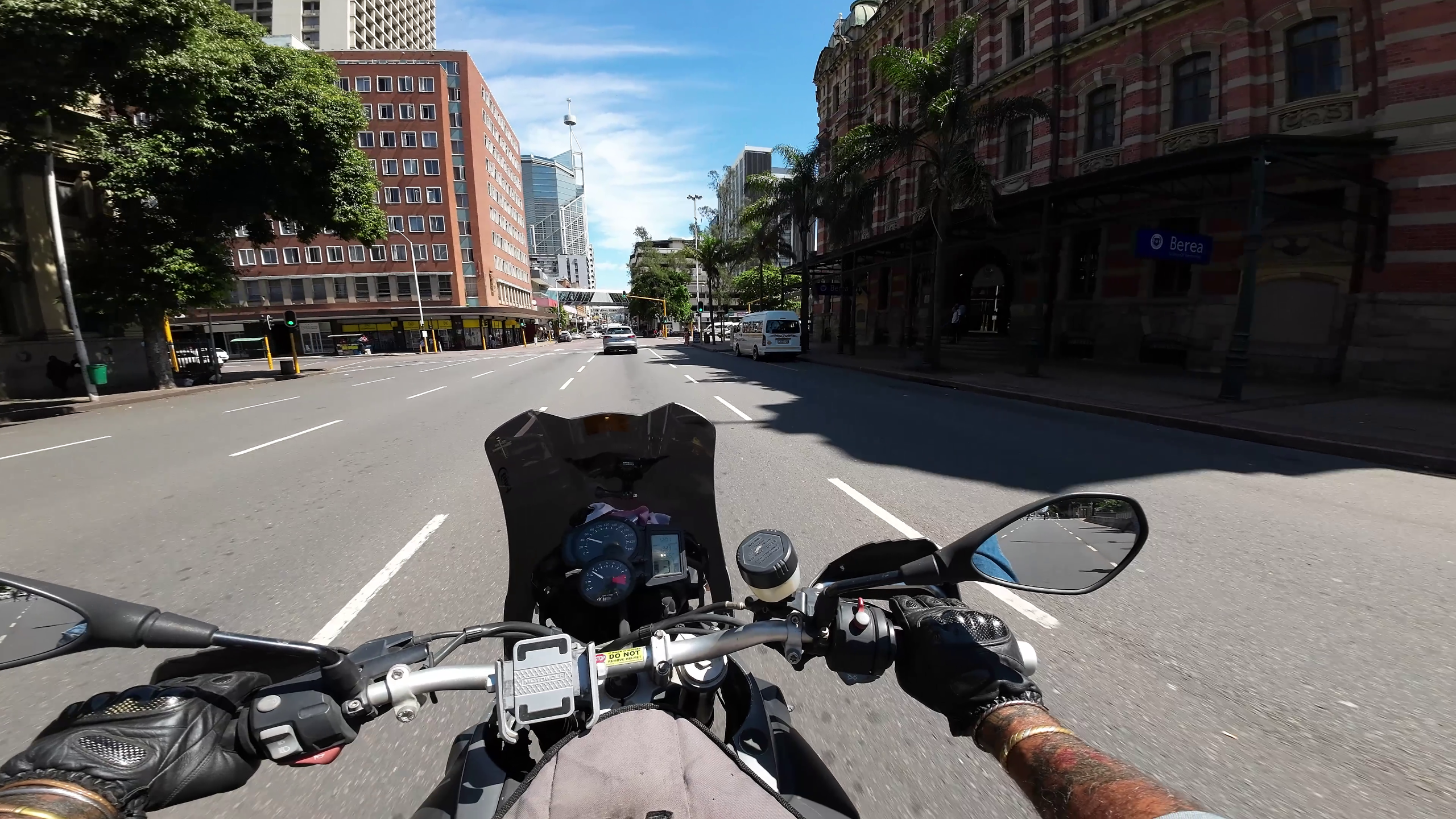
The station showcases classic Victorian red-brick construction with elegant wrought-iron verandas, ochre plaster mouldings, and ornate detailing in a Queen Anne Revival style. A fun (possibly apocryphal) anecdote: its distinctive layered, angled roof was accidentally swapped with the design meant for Toronto’s railway station in Canada—perfect for shedding snow, but rather impractical in subtropical Durban!
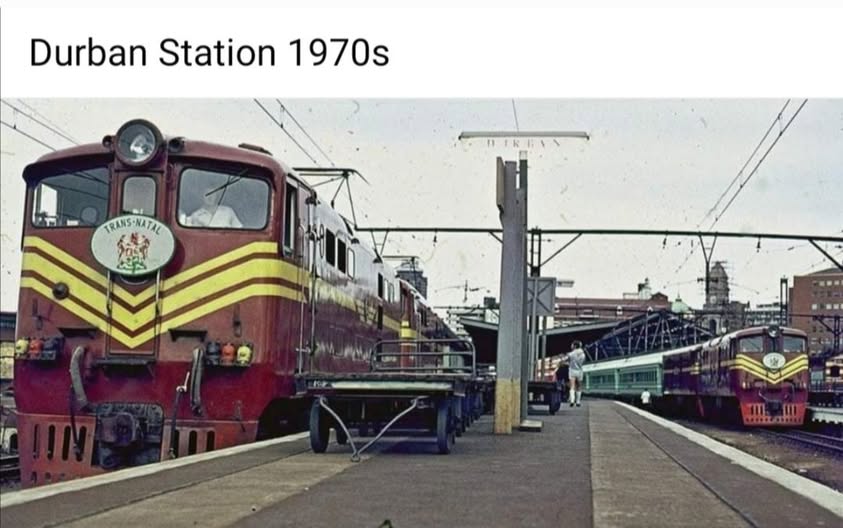
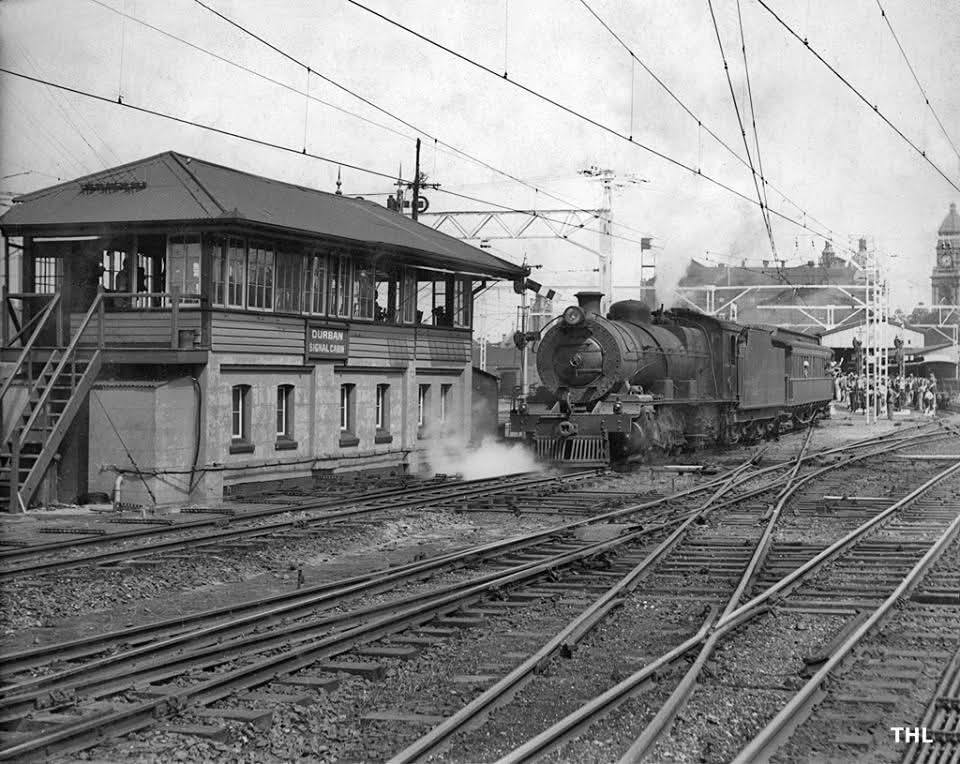
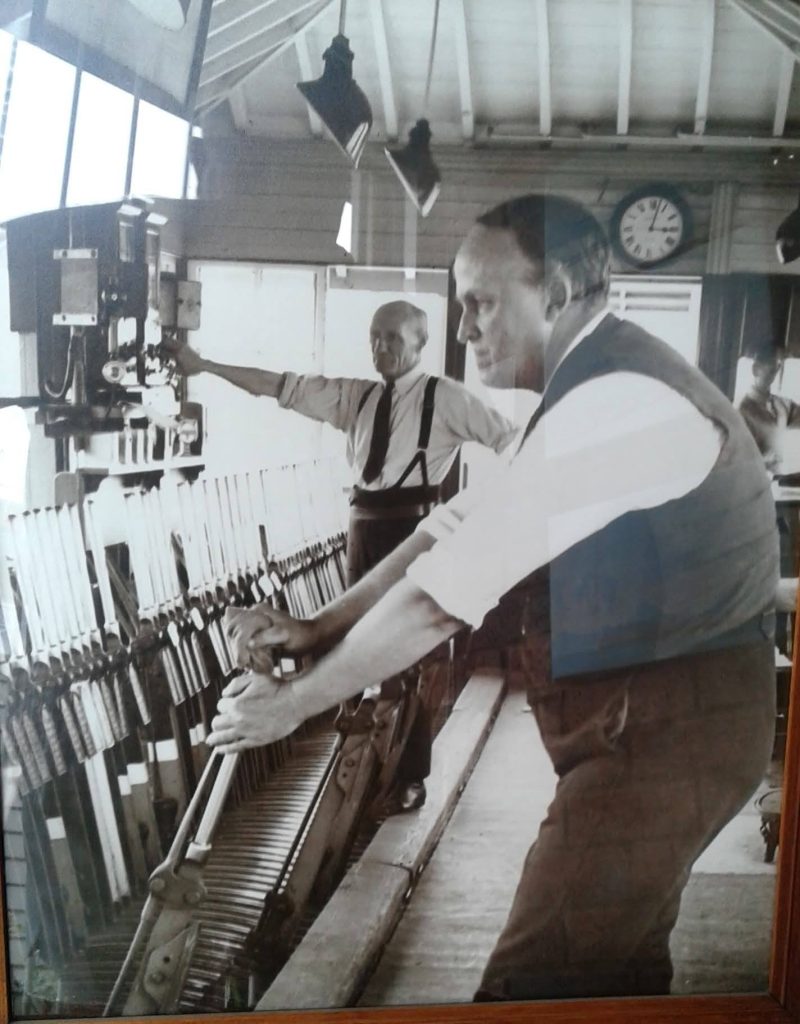
It served as the main passenger hub with ticket offices, waiting rooms, dining facilities, platforms, a train shed, and signal cabins. The complex was a busy centre for steam (and later electric) trains, suburban services to the North and South Coasts, and long-distance expresses.
Historical Significance
Railways in South Africa essentially began here: the very first public steam railway line ran from the Point to Market Square in Durban in 1860 (initially just 2 miles). The old station building became central to Durban’s growth, linking industries, communities, and the port.
A notable event: On 7 June 1893, Mahatma Gandhi boarded a train at Durban station. He was later forcibly removed from a “Whites Only” carriage in Pietermaritzburg, an incident that profoundly shaped his philosophy of non-violent resistance. A plaque at the site commemorates this.
Later Years and Preservation
The station operated until 1980, when services moved to a new facility (near Greyville/Masabalala Yengwa Avenue, the current Durban railway station). There were heated debates in the 1970s about demolishing the “monstrosity” for redevelopment, but a strong “Save the Station” campaign (supported by architects and heritage advocates) succeeded. The facade, part of the structure, and the historic train shed were preserved (the shed was even physically relocated about 20–30 metres in the 1980s to allow road extensions).
Today, the Old Station Building (often called Tourist Junction or the Old Station Building) has been adaptively reused. It houses tourism information, curio shops, the African Art Centre, and other retail/cultural spaces—making it one of Durban’s oldest shopping/heritage attractions while retaining much of its grand Victorian character.