





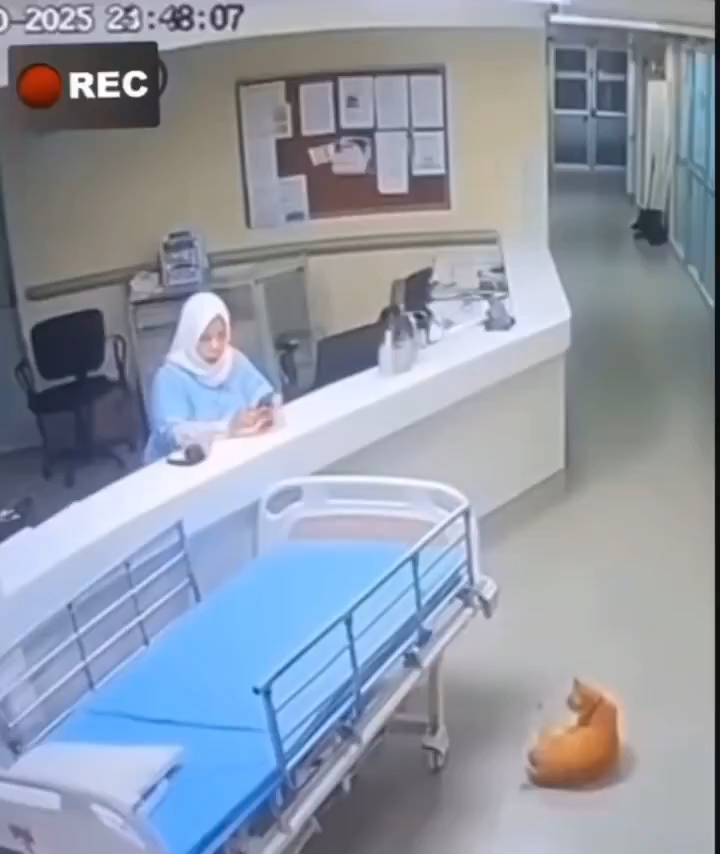
ghosts are not real. There’s no credible scientific evidence that they exist, despite centuries of claims, ghost stories, and investigations.
Scientific Consensus
The overwhelming view from physics, psychology, and skeptical inquiry is that ghosts (spirits of the dead that interact with the living world) don’t hold up under scrutiny. Key reasons:
- No verifiable evidence: Ghost hunting is considered pseudoscience. Tools like EMF meters, EVP recorders, or thermal cameras pick up mundane things (wiring issues, radio interference, insects, etc.), not spirits. Decades of investigations have produced nothing repeatable or falsifiable in a lab.
- Physics doesn’t allow it: Ghosts would require some form of energy or consciousness surviving death and interacting with matter (e.g., moving objects, appearing visibly). Physics has found no such mechanism. Brian Cox and others have pointed out that if ghosts existed as energy, we’d have detected it by now.
Why People Experience “Ghosts”
Many reported encounters have natural explanations:
- Psychological factors: Sleep paralysis (your body is asleep but your mind is awake, often with hallucinations of figures), pareidolia (seeing faces/patterns in random noise, like “orbs” in photos from dust or lens flare), suggestion (if you expect a place to be haunted, you’re more likely to interpret creaks or shadows that way), grief, or stress.
- Environmental causes: Infrasound (low-frequency sound) can cause unease or visual vibrations. Mold in old buildings linked to hallucinations. Electromagnetic fields or carbon monoxide poisoning can mess with perception. Temperature changes, drafts, and settling houses explain “cold spots” or noises.
- Cultural and personal: Belief in ghosts is common (e.g., ~18% of Americans say they’ve seen one), but it’s heavily influenced by folklore, media, and confirmation bias. Every culture has some version, but the details vary wildly and don’t match consistent evidence.
Anecdotes, blurry photos, or personal stories feel compelling, but they’re not proof—human memory and perception are fallible, and extraordinary claims need extraordinary evidence.
Ghosts make for great stories, horror movies, and fun haunted house tours, but as a literal phenomenon? Science says they’re not real. If new, rigorous evidence ever emerges, that would change things—but none has so far.