



Born in Durban in 1888 to Otto Siedle (a prominent shipping agent, businessman, and musician of German extraction), Perla came from a well-to-do family. She studied music and art in Europe and the United States in the early 20th century, giving recitals in London and New York. She was trained as a soprano with a powerful voice, including Wagnerian repertoire.
She married Jack Gibson (an air sergeant during the war) and had children, including sons and a daughter who served in the military. Her family background in shipping likely gave her connections to Durban Harbour, a key port.
Role During WW2 in Durban
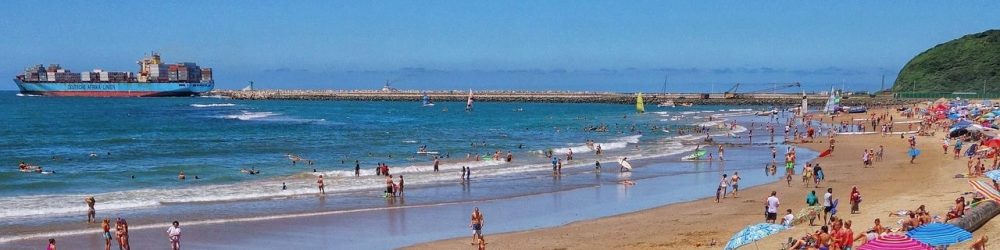
Durban served as a major waystation and safe harbour for Allied convoys heading to the North African and Far East fronts. Troopships, merchant vessels, and warships frequently passed through, carrying hundreds of thousands of servicemen from Britain, the US, Poland, South Africa, and other nations.
Starting around 1940, Gibson began singing to these ships as they entered or left the harbour. One story of its origin involves her seeing off a young Irish seaman; he asked her to sing something Irish, and she responded with “When Irish Eyes Are Smiling”. This inspired her to sing to every war-related ship.
- Appearance and Routine: She stood at a prominent spot on the North Pier (or mouth of Durban Bay) where ships passed close by. Dressed in a striking white outfit with a red hat (sometimes described with red accents), she sang through a megaphone salvaged from a torpedoed ship gifted by grateful British soldiers.
- Scale: She performed for over 5,000 troopships and an estimated 250,000 Allied servicemen. She drove down from her home on the Berea whenever ships were sighted.
- Repertoire: Patriotic songs like “There’ll Always Be an England” and “Land of Hope and Glory”, plus sentimental and popular tunes. Her powerful voice carried across the water, creating emotional farewells and welcomes.
This continued throughout the war. She sang even on the day she learned her son Roy had been killed in Italy. Her husband and other children also served.
Impact and International Fame
Soldiers spread stories of the “Lady in White” globally. She earned affectionate nicknames:
- “Soldier’s Sweetheart” (British)
- “South African Nightingale” (Poles)
- Comparisons to Kate Smith or “Ma” (Americans)
A 1945 British army newspaper (Parade) highlighted her as a highlight of stops in Durban. Veterans later recalled her singing with deep emotion, providing comfort and humanity amid the uncertainty of war.
Her efforts symbolized volunteerism, imperial loyalty (in the South African and British context), and women’s contributions on the home front.
Legacy and Commemoration
Perla Siedle Gibson died in 1971, shortly before her 83rd birthday. A bronze plaque from the Royal Navy was placed on Durban’s North Pier in 1972 at her singing spot.
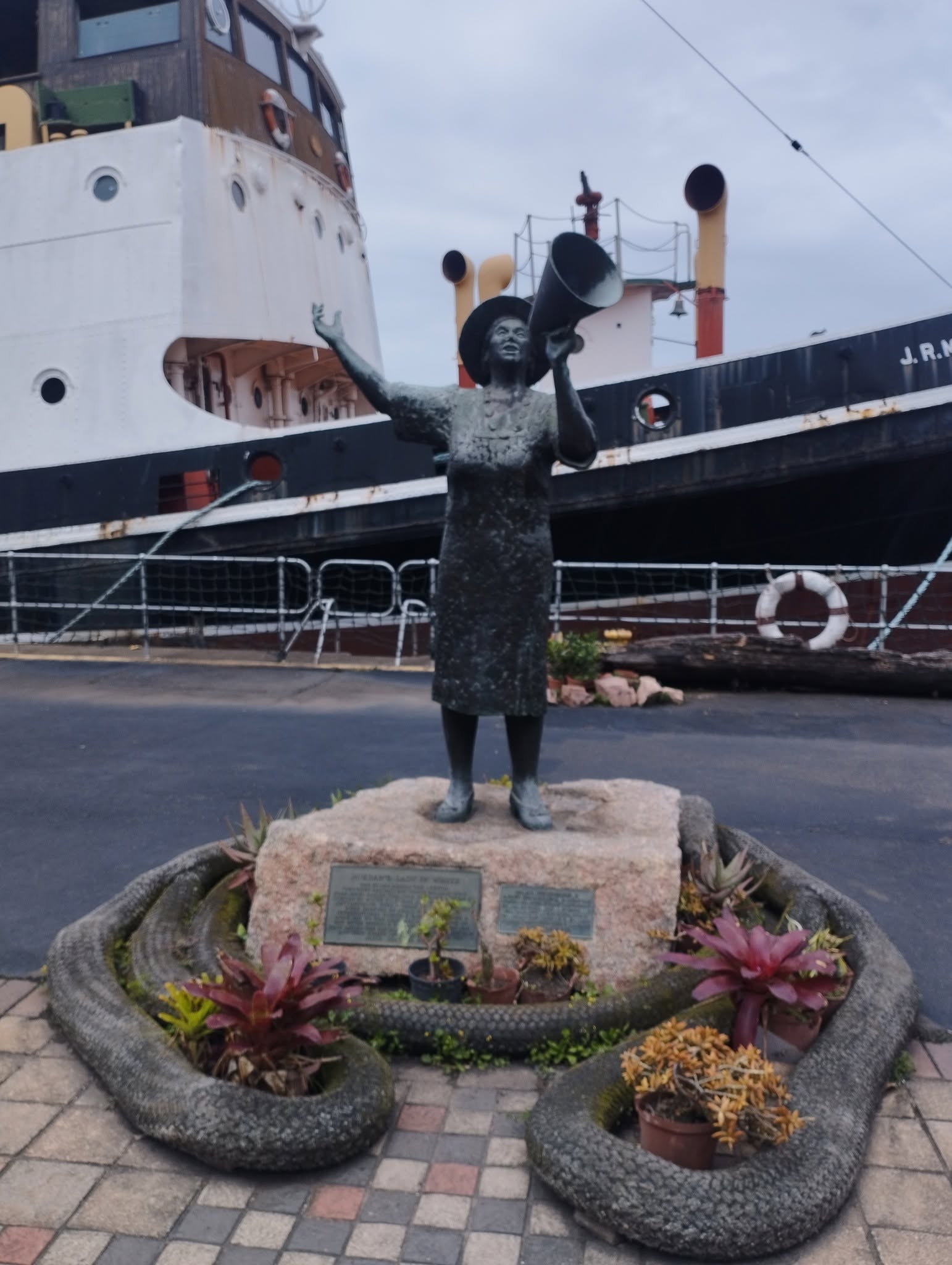
- A bronze statue by her niece Barbara Siedle was unveiled in 1995 (VJ Day) and later moved to the Durban Maritime Museum. Queen Elizabeth II viewed it during a 1995 visit.
- She authored or inspired accounts of her experiences, including Durban’s Lady in White: An Autobiography.
Her story endures as a unique chapter in South African and WW2 history— a civilian woman providing solace on a massive scale through song. It highlights Durban’s strategic role and the personal touches that made the war more bearable for troops far from home.
Veterans’ families and locals still share memories of watching her from the harbour, underscoring her lasting emotional resonance.