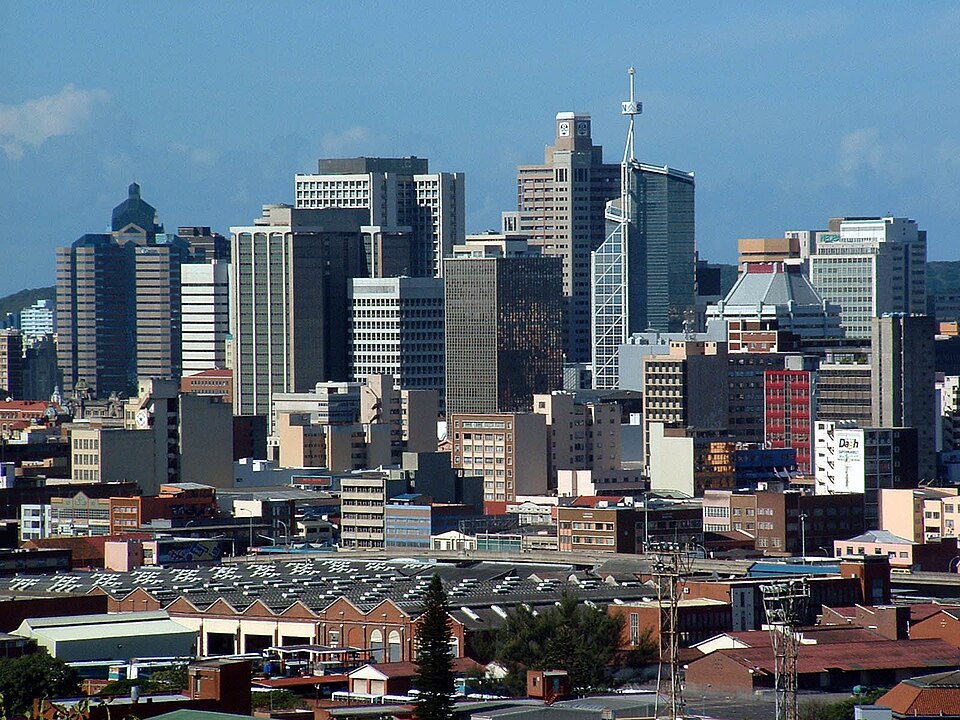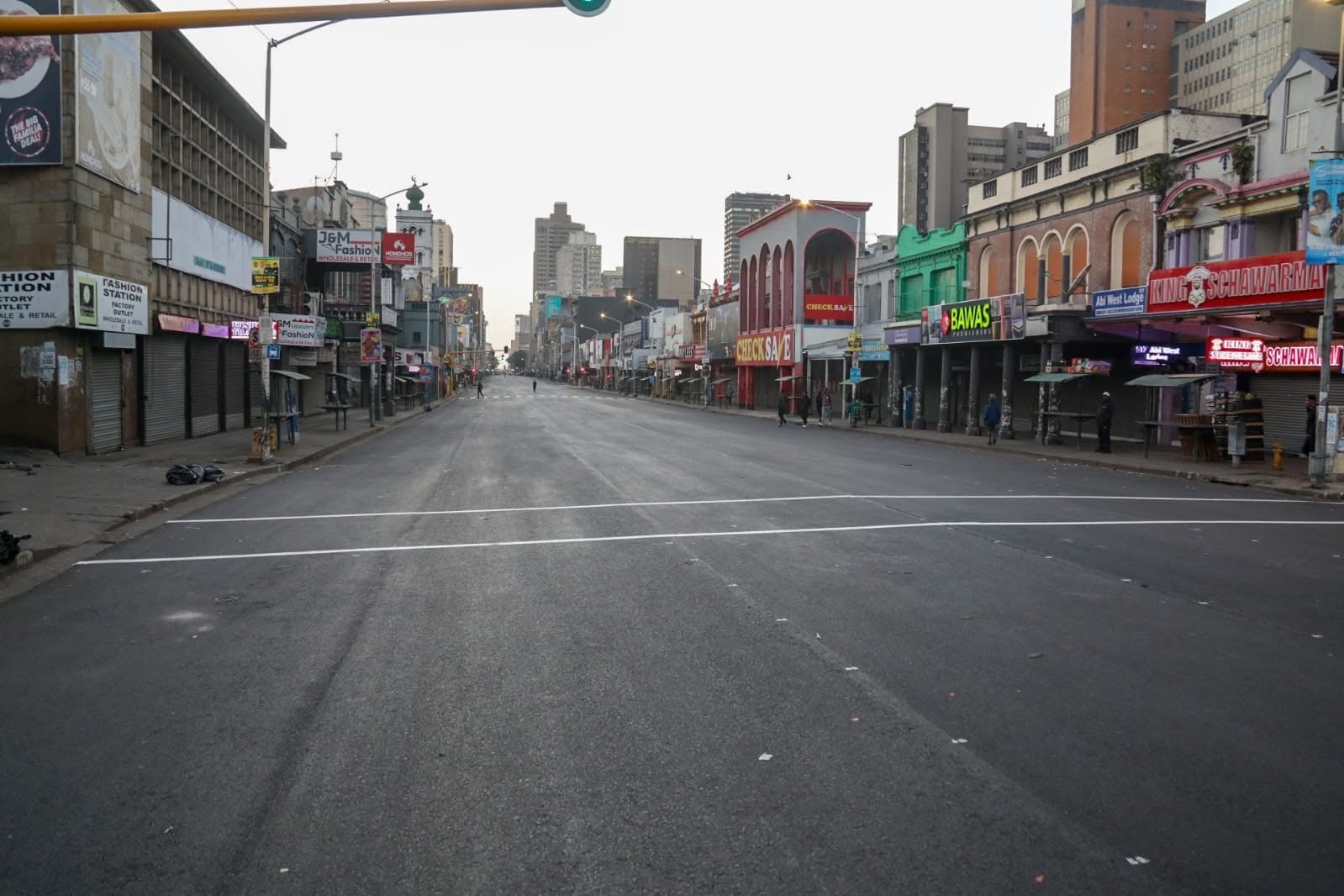



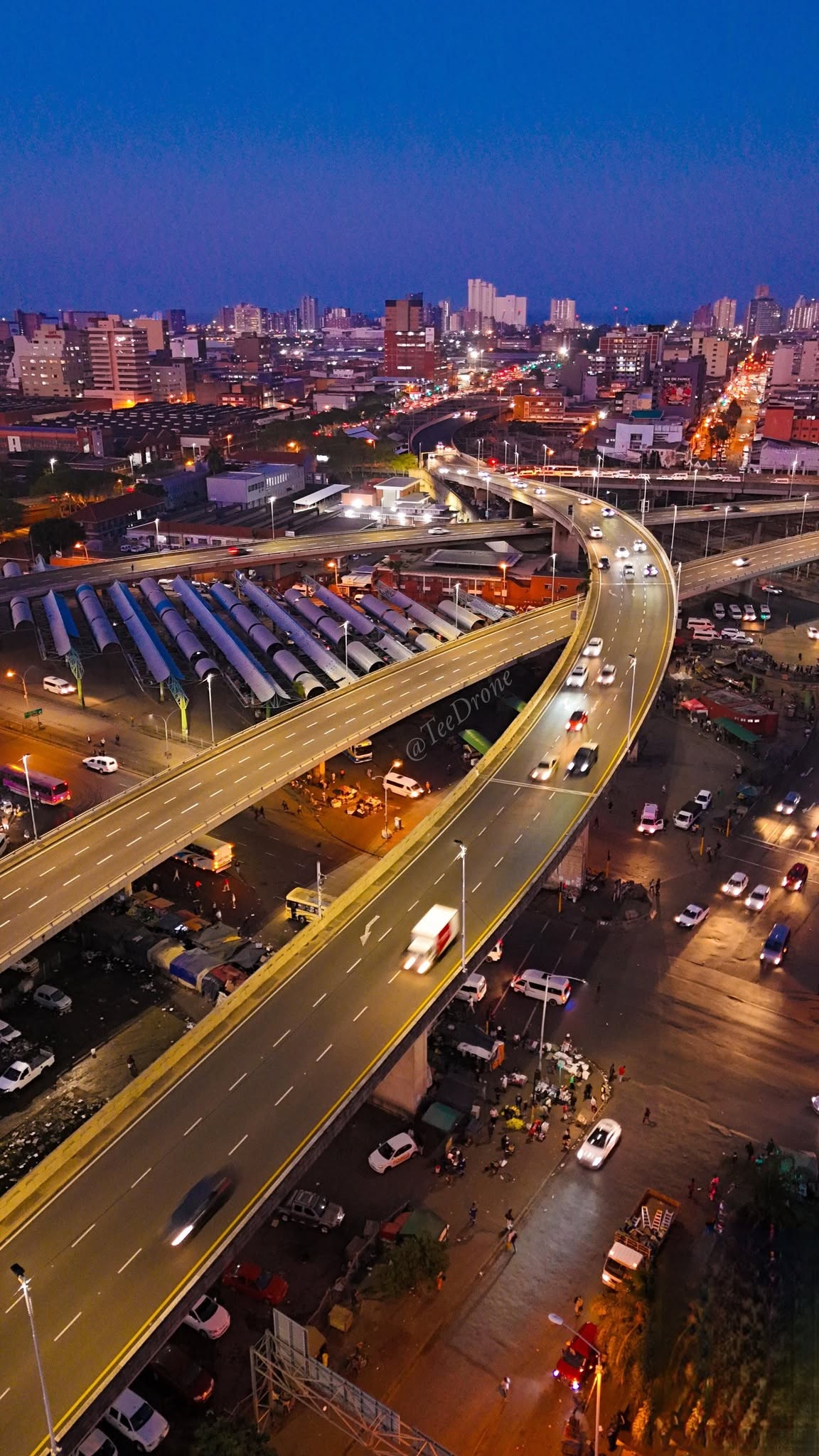
Warwick Triangle (also known as Warwick Junction) in Durban, South Africa, is one of the city’s most vibrant transportation and trading hubs. It serves as a major public transport interchange (taxis, buses, trains) and is home to around 5,000–8,000 informal traders. Up to 460,000–500,000 people pass through daily.
It features nine distinct markets in a bustling, informal setting—a mix of fresh produce, traditional Zulu crafts, spices, street food, clothing, music, and traditional medicine (muthi). It is considered one of South Africa’s most authentic African markets.
The 9 Main Markets of Warwick
Here are the key ones, based on available descriptions:
- Early Morning Market — Famous for fresh produce, spices, flowers, and general goods. One of the most popular and historic sections.
- Bovine Head Market — Specializes in cooked cow heads (a traditional delicacy) and related foods.
- Herb Market / Muthi Market / Traditional Medicine Market — Up to 700 traders selling traditional African herbs, medicines, and remedies. Healers often diagnose and recommend treatments on-site.
- Bead Market — Focuses on traditional Zulu beadwork and crafts, often sold by vendors from coastal areas.
- Impepho and Lime Market — Sells impepho (incense for ancestral communication), white/red lime (used by traditional healers/sangomas), and related items. Many vendors come from the Eastern Cape.
- Berea Station Market — Near rail stations; sells traditional Zulu items (e.g., spears, shields), modern clothing, and tech accessories.
- Brook Street Market — Includes a food court and stalls with clothing and household goods. Adjacent to the historic Badsha Peer Shrine (built by early Indian traders).
- Victoria Street Market (Indian Market) — Established around 1910; features spices, jewellery, traditional art, and Indian goods. More formal stalls.
- Music Bridge / Other areas — Music, entertainment merchandise, and mixed trading strips.
Additional spots include fresh produce areas and mixed trading zones.
Visitor Tips
- Tours: Guided walking tours (about 2–2.5 hours) by local traders are highly recommended for safety, context, and cultural insight. They start at Victoria Street Market. Booking is essential — check marketsofwarwick.co.za.
- The area is lively but can feel overwhelming or crowded. Tours help navigate it respectfully.
- It has a rich history tied to apartheid-era Indian and African traders, resilience against displacement threats (e.g., pre-2010 World Cup), and community organizing.
For the latest info, visit the official site or contact organizers via Asiye eTafuleni (the supporting NGO). It’s a fantastic spot to experience Durban’s diverse culture, food, and commerce!