





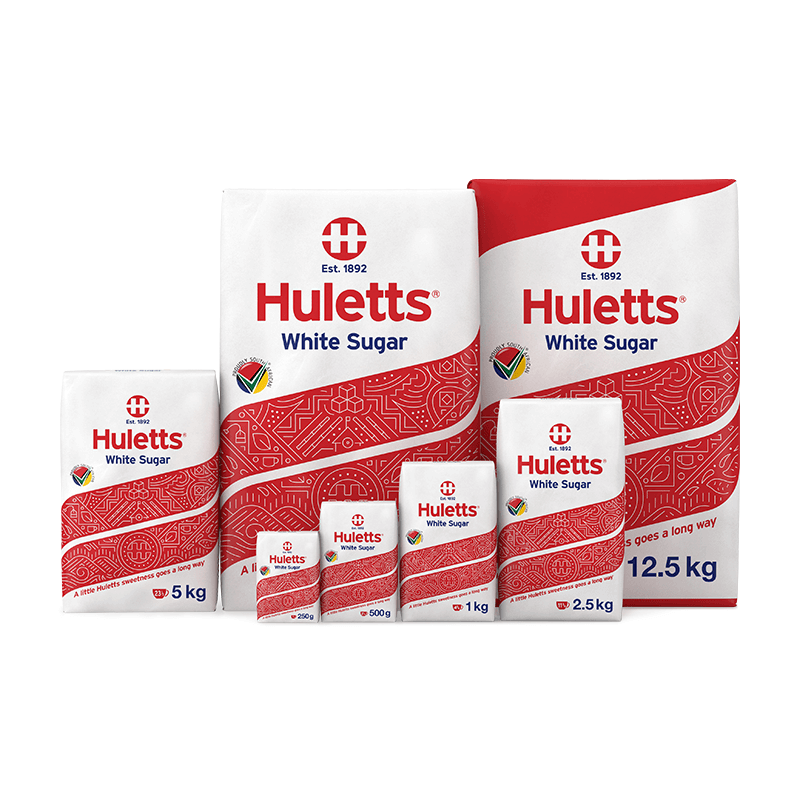
The Durban High Court (KwaZulu-Natal Division) is hearing arguments today (Thursday, 16 April 2026) and tomorrow (Friday, 17 April) on whether to place Tongaat Hulett Limited (THL), South Africa’s largest sugar producer, into provisional liquidation.
This follows the collapse of a business rescue plan approved by creditors in 2024, which involved a proposed sale to the Vision Group (also referred to as Vision Sugar consortium). The company’s Business Rescue Practitioners (BRPs) brought the liquidation application after restructuring efforts stalled, citing ongoing liquidity constraints and failure to finalise key agreements.
Key Opponents to Liquidation
Several major stakeholders are opposing the move, arguing that liquidation would cause severe economic and social harm, including a potential “jobs bloodbath” affecting up to 450,000 direct and indirect jobs, thousands of sugarcane farmers (particularly in northern KwaZulu-Natal), rural communities, and the broader sugar industry. Opponents include:
- The Industrial Development Corporation (IDC), which has indicated willingness to extend and increase post-commencement finance (PCF) support.
- The Department of Trade, Industry and Competition (DTIC) and Minister Parks Tau, who are challenging the application to prevent economic fallout.
- The South African Canegrowers Association (representing over 18,000–23,000 growers), who warn that many farms could collapse without Tongaat’s mills to process cane.
- Mozambican sugar producer RGS Group Holdings, a former rival bidder intervening in the case.
- Other parties, including individual cane growers.
These groups contend that Tongaat Hulett can still be restructured and saved, with alternative proposals on the table (including from Vision, though that deal is now on hold pending the court’s decision). Recent communications and funding proposals were advanced as late as early April 2026.
Background Context
Tongaat Hulett, a 134-year-old company, has faced years of financial distress, including allegations of major accounting irregularities and fraud in the past. It entered business rescue in 2024, but the rescue plan unravelled due to issues around funding, creditor agreements, and competing bids. Liquidation would likely lead to asset sales, mill closures, and major disruption to the sugar value chain in the region.
The hearings are not guaranteed to produce an immediate final ruling; the court may grant provisional liquidation, dismiss the application, or adjourn for further processes (e.g., if parties reach a settlement). A decision could come today, tomorrow, or shortly after arguments conclude.