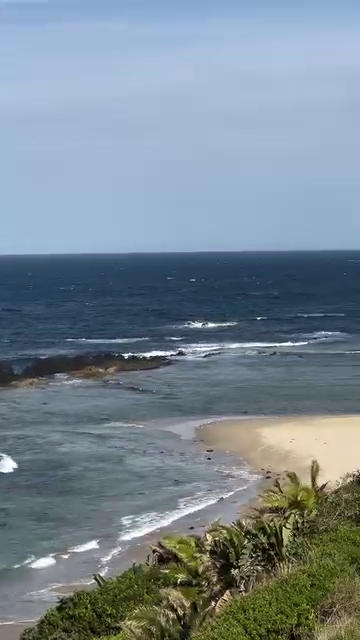



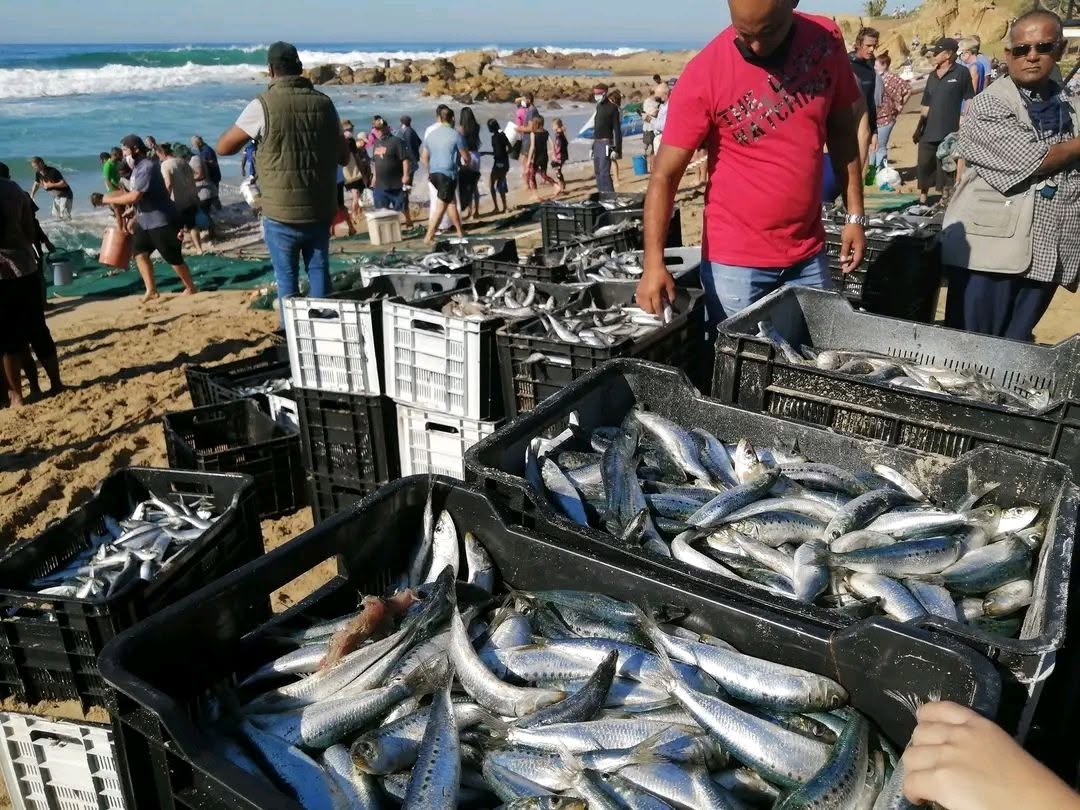
- What it is: Billions of South African sardines (or pilchards, Sardinops sagax) migrate northward from their main spawning grounds on the Agulhas Bank (near the southern tip of Africa) into the warmer subtropical waters off the Eastern Cape and KZN coasts. They follow a narrow band of cooler water between the shoreline and the warm Agulhas Current.
- This creates massive “bait balls” that trigger a feeding frenzy involving dolphins, sharks, whales, seals, gannets, and other predators. It is often called “the greatest shoal on Earth” due to its scale, rivaling the Serengeti wildebeest migration in biomass.
- The run is not fully understood; hypotheses include spawning migration, following cold water, or other oceanographic cues. Most sardines do not survive the journey.
Historical Records
- Earliest documented reference: August 1853 in the Natal Mercury newspaper, describing a shoal of fish (mackerel chased by sharks) stranding near Durban’s shore — one of the first mentions of this phenomenon in the area.
- The event has long been associated with the Natal South Coast (from Port Edward to Durban). Locals and fishermen eagerly awaited the sardines and accompanying game fish in June–July.
- In the 1930s–1940s, Indian purse-seine fishermen in the region made a living from sardines, mackerel, herring, and shad.
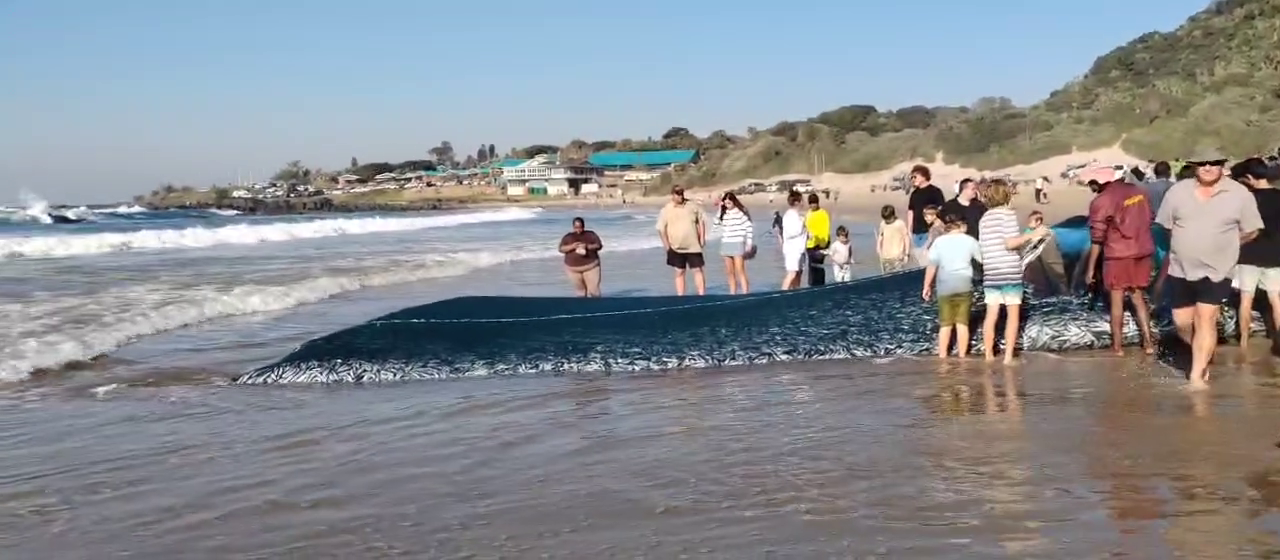
- Mid-20th century memories: Residents recall sardines beaching in large numbers on Durban beaches (including Addington Beach), Durban North, and Umhlanga in the 1950s–1960s. People would rush into the surf with sacks to collect them for eating and freezing. It was a communal event, with risks from sharks noted in hindsight.
Cultural and Economic Significance in Durban/KZN
- For generations, the run has been a highlight for locals, tied to traditions like arriving in time for the Durban July horse race.
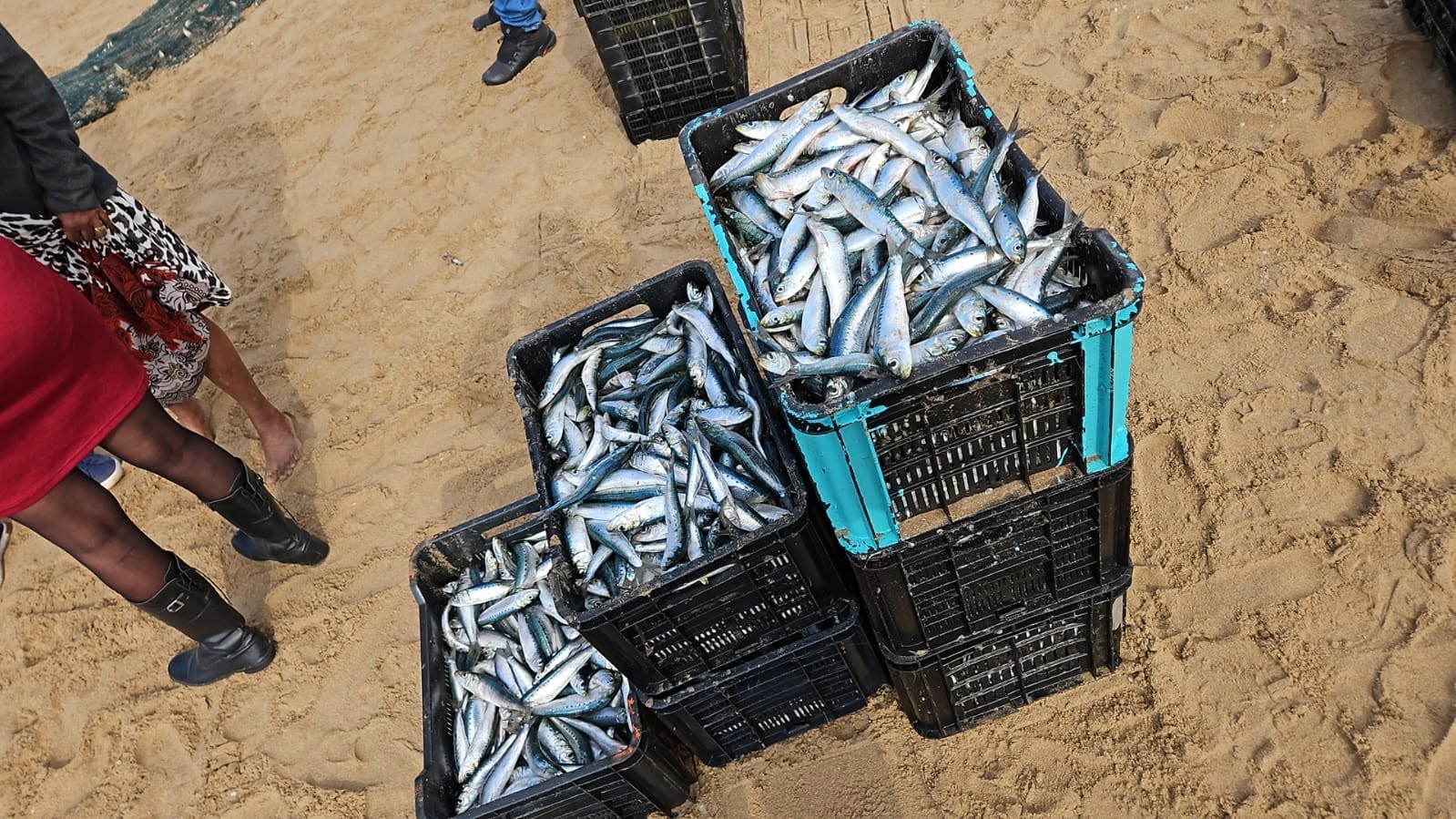
- It boosts tourism (dive charters, boat tours) and local fishing economies, with people netting sardines directly from beaches.
- It has been featured in documentaries (e.g., BBC’s Nature’s Great Events) and media like National Geographic.
Changes Over Time
- Studies of newspaper records from 1946–2012 show the sardines arriving off Durban progressively later — about 1.3 days per decade delay — linked to shifting ocean temperatures and climate patterns (e.g., poleward movement of warmer water).
- The run’s strength varies with phenomena like El Niño/La Niña. Biomass has fluctuated, with declines noted in some periods (e.g., mid-1960s) but recoveries and record years (like 2023).
- Climate change and ocean warming pose ongoing uncertainties for its future timing, intensity, and reliability.
In short, sardines have been a notable part of Durban’s coastal life and culture since at least the mid-19th century, evolving from a local food and fishing resource into a major eco-tourism phenomenon. The run remains seasonal and variable but continues to draw crowds to Durban’s shores.