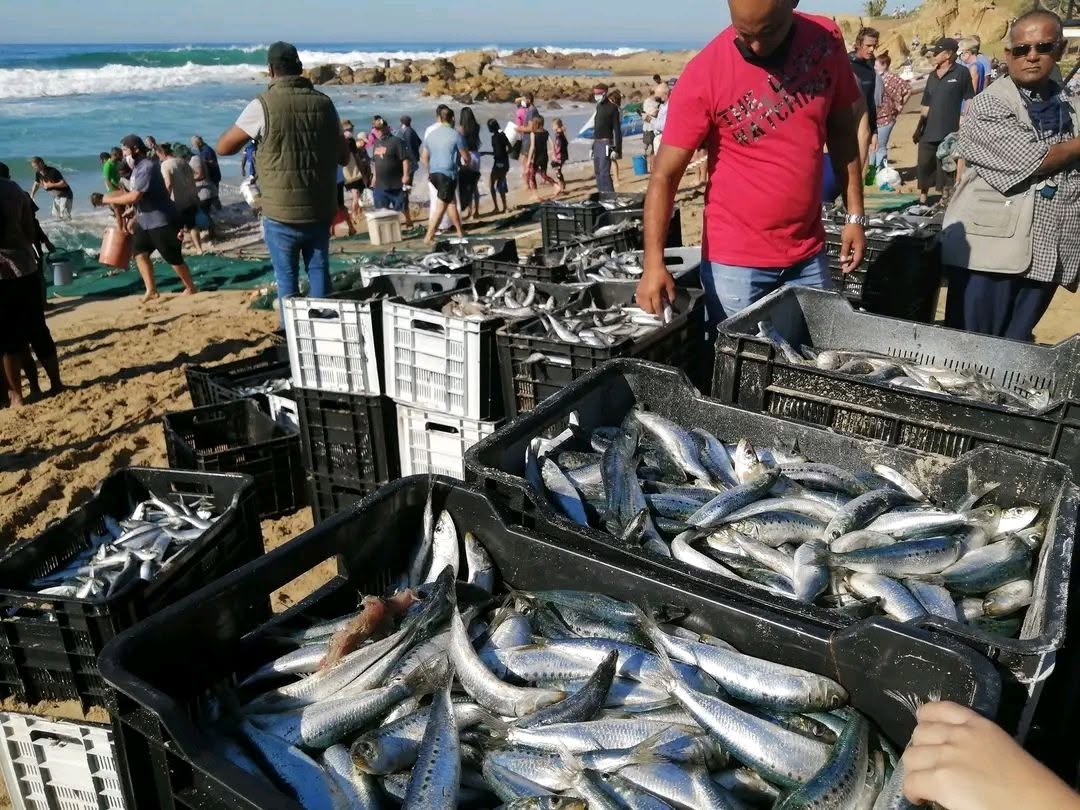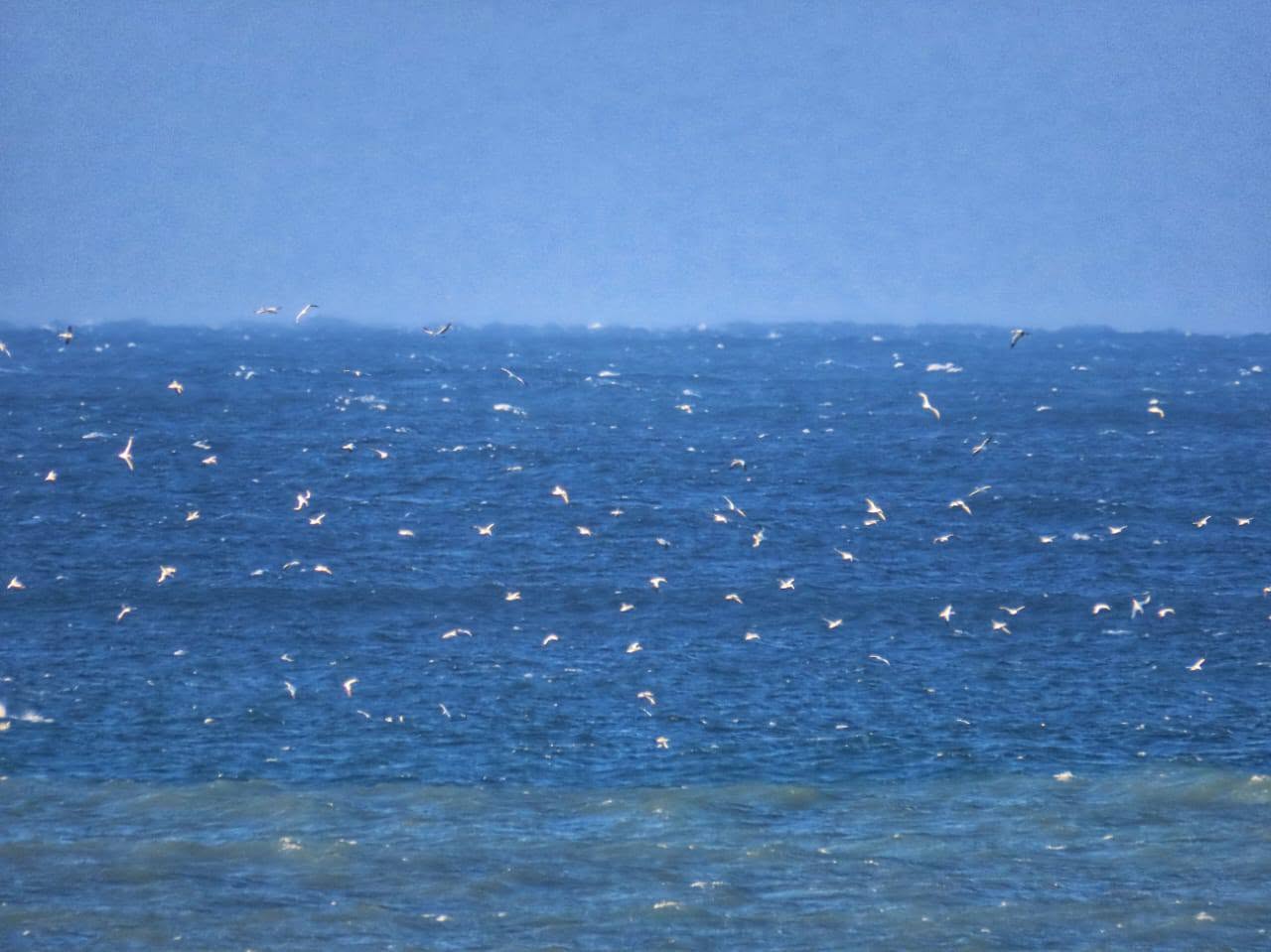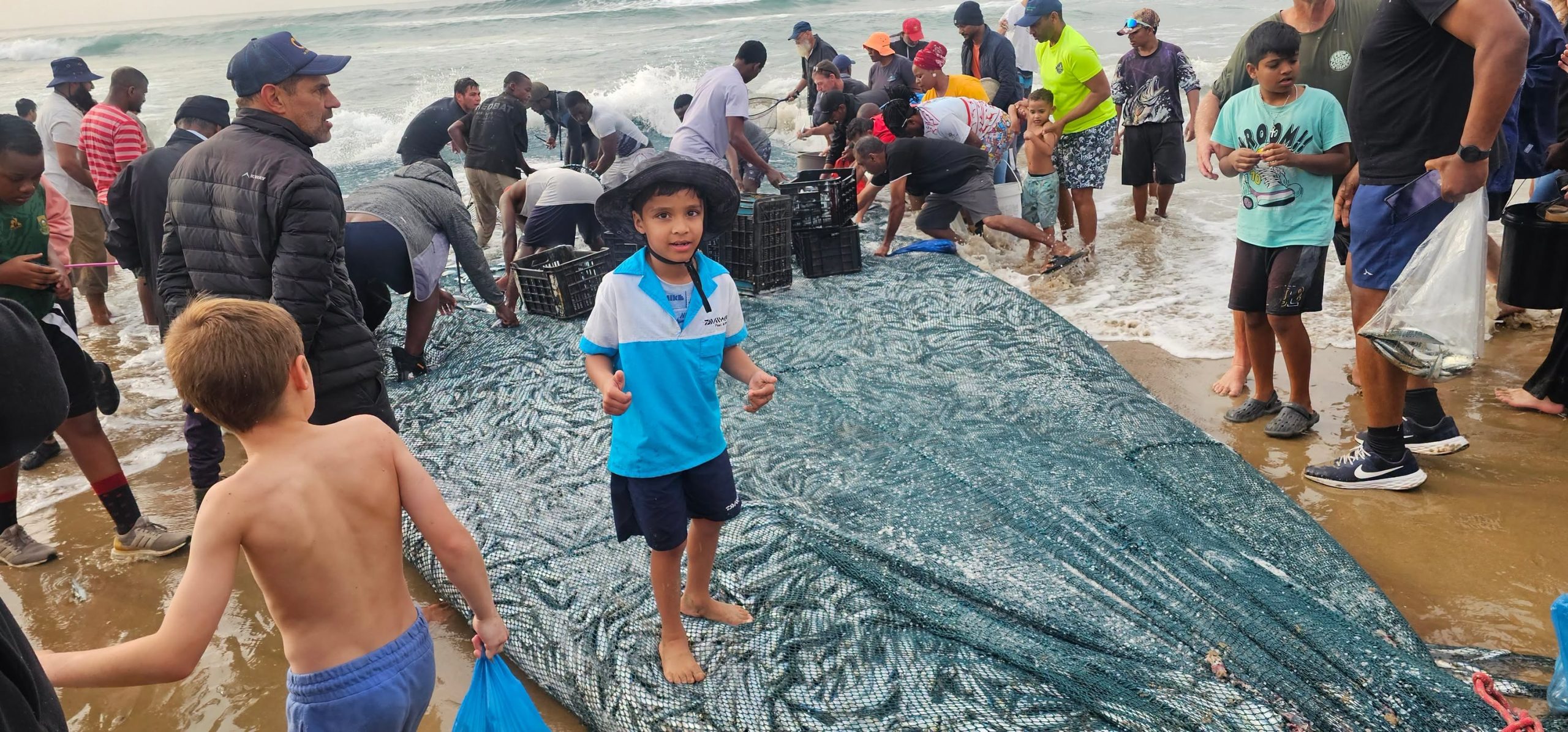



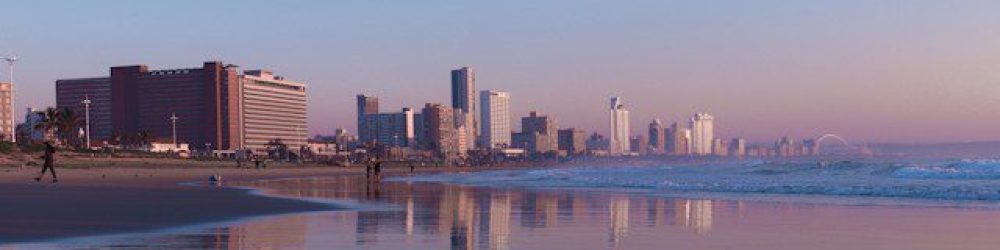
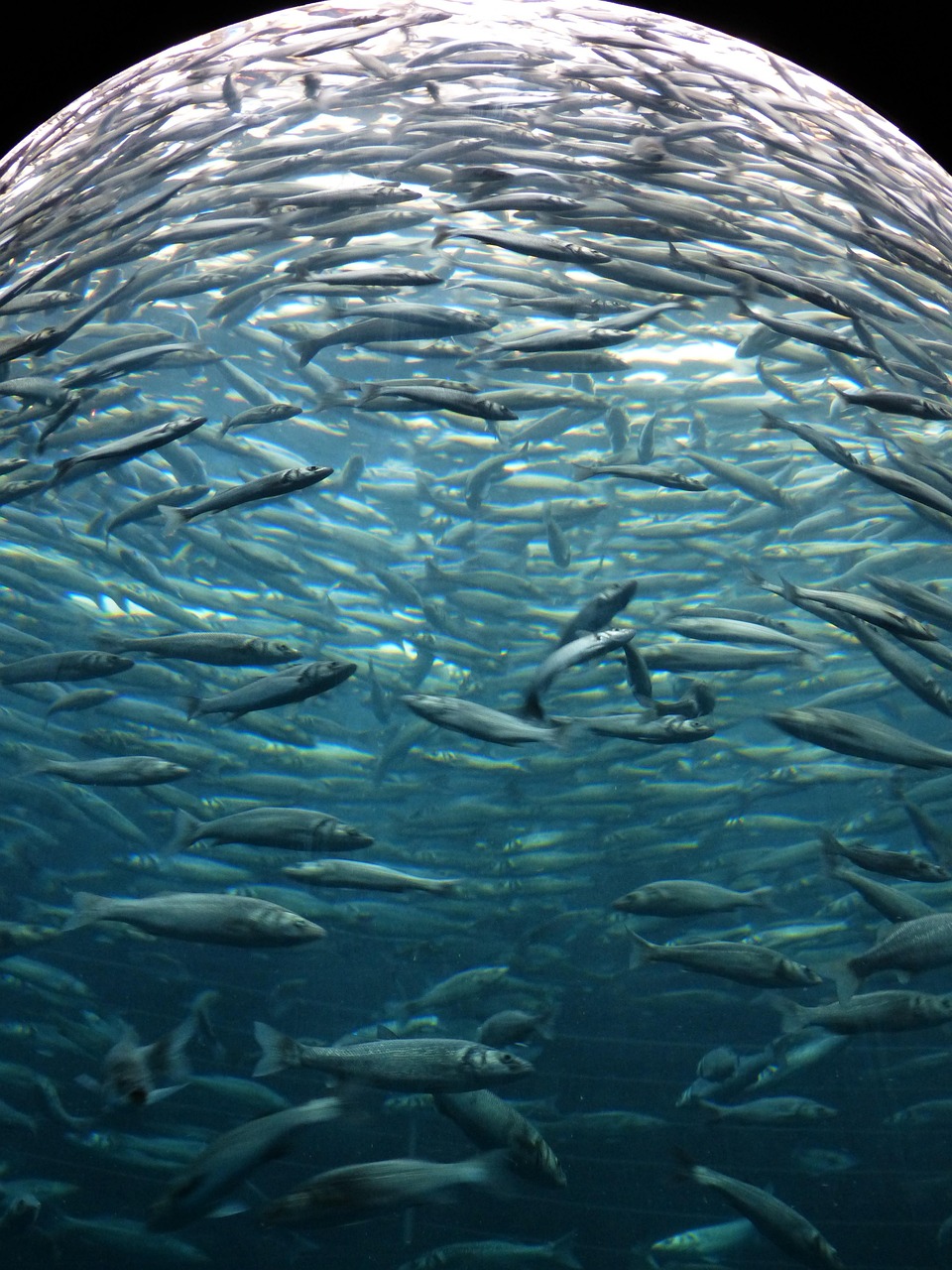
The sardine run (often called the “Greatest Shoal on Earth”) is a spectacular annual winter migration. Millions (sometimes billions) of sardines move northward from cooler waters off the Eastern Cape/Wild Coast into KZN waters, typically in June–July. They stay close to shore in a narrow band of cooler water between the coastline and the warm Agulhas Current. This draws massive predator frenzies: dolphins, sharks, whales, game fish, and seabirds.
Sardines prefer cooler water (ideally below ~21°C, with optimal conditions around 14–20°C). Warmer intrusions disrupt their northward movement.
Current Situation (as of mid-to-late June 2026)
- The run kicked off promisingly around 13 June 2026, with the first sardines netted at Port Edward (favourable ~19.5°C sea surface temperature). More catches followed at spots like Southbroom, Ramsgate, and uMzumbe.
- By 16 June, temperatures on the Upper South Coast rose to ~23.5°C (with warm water persisting near Durban). Activity quieted significantly since ~18 June.
- Scientists (e.g., Dr Ryan Daly from the Oceanographic Research Institute/SAAMBR) describe it as “in limbo” — not over, but temporarily halted by the warm water pulse. Large baitfish concentrations (including mixed sardines) remain, and big shoals are still reported further south on the Wild Coast.
A new cold-water pulse could push more sardines northward soon, potentially reviving strong activity. The event is highly variable year-to-year and driven by oceanographic conditions (currents, upwelling, winds).
What to Expect / Watch For
- Optimistic signs: Baitfish still present; potential for renewed action if cooler water returns.
- Monitoring: Locals, netters, divers, and tourism operators track it closely. Check real-time reports from Zululand Observer, South Coast tourism pages, or marine groups.
- Tourism/Diving: Prime viewing is weather- and condition-dependent. Operators on the South Coast (e.g., around Margate, Port Shepstone, Ramsgate) offer boat trips, snorkel/dive excursions, or land-based watching when it’s active.
This is normal variability rather than a total failure — the run has had strong years recently (e.g., 2023 was one of the biggest on record). Climate trends and changing currents can influence frequency/intensity over time, but short-term pauses like this are common. Keep an eye on sea temperatures and local updates for the latest! 🌊