






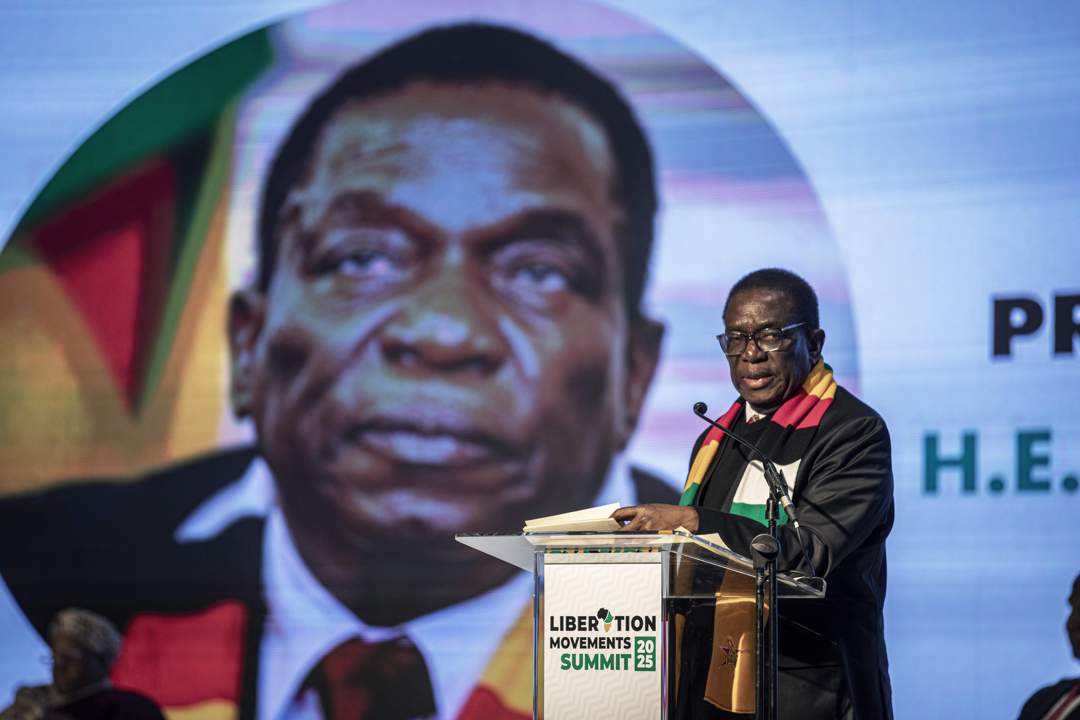
- On or around June 18-19, 2026, lawmakers passed Constitutional Amendment Bill No. 3 by a vote of 216-42 (or similar figures around 216 in favor), exceeding the required two-thirds majority (187 votes).
- The bill extends presidential, parliamentary, and local government terms from 5 to 7 years.
- This would allow President Emmerson Mnangagwa (currently in his second term, ending in 2028) to remain in power until 2030, deferring the next elections.
- It also proposes shifting future presidential elections from direct popular vote to election by parliament.
Next Steps
The bill now moves to the Senate (upper house), where it is widely expected to pass due to the ruling ZANU-PF party’s strong control. Further processes (such as a potential referendum for major changes or court challenges) could follow.
Background and Reactions
- The government and ZANU-PF supporters argue it promotes stability, reduces “electoral fatigue,” and supports long-term projects like Vision 2030. They cited strong public support from consultations (hundreds of thousands of submissions in favor).
- Critics, including opposition parties and civil society, call it a power grab that undermines democracy and echoes Robert Mugabe’s long rule. Concerns include weakened direct voter choice and risks to democratic institutions.