





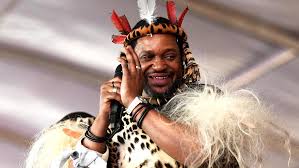
involves ongoing tensions between AmaZulu King Misuzulu kaZwelithini and the KwaZulu-Natal (KZN) provincial government over control of vast communal land in the province.
Background on the Ingonyama Trust
The Ingonyama Trust was established in 1994 by the KwaZulu Legislative Assembly just before South Africa’s first democratic elections. It was part of a political compromise (linked to negotiations involving the Inkatha Freedom Party) to secure Zulu traditional authorities’ participation in the new order.
- It holds about 2.8 million hectares (roughly 30% of KZN land) in trust, primarily former KwaZulu homeland land.
- The King (Ingonyama) is the sole trustee, with the land intended for the benefit, material welfare, and social well-being of Zulu tribes and communities.
- A 1997 amendment created the Ingonyama Trust Board (ITB), a Schedule 3A public entity. The King (or nominee) chairs it, but board members are appointed by the national Minister of Agriculture, Land Reform and Rural Development after consultations with the Premier, traditional leaders, etc.
- The Board handles administration, leases, finances (audited by the Auditor-General), and development. It has faced criticism over lease conversions (from customary rights to formal leases), governance, and accountability.
This setup creates inherent tensions between traditional monarchy, provincial authority, and national government oversight.
Current Power Struggle (as of mid-2026)
King Misuzulu has pushed for greater direct control, including amending the Ingonyama Trust Act (1994, as amended) to let him appoint and dismiss board members with minimal government interference. He argues this restores the Trust’s original intent and enhances accountability for Zulu communities.
Key developments:
- February 2026: During the KZN Legislature opening, the King announced plans for amendments and appointed legal experts (e.g., retired Judge President Mjabuliseeni Madondo and Adv. Tembeka Ngcukaitobi) to draft them. He dispatched a royal delegation (“Ingonyama Trust Royal Panel”) to lobby Parliament parties.
- Provincial government (under Premier Thamsanqa Ntuli) countered by proposing that national powers shift to the KZN province rather than the King. This reportedly caused a fallout. An imbizo (gathering) at Mashobeni royal palace saw traditional leaders (amakhosi) reject the provincial proposal.
- Tensions escalated with board resignations, disputes over meetings (e.g., the King halting some board activities), and court cases. The King has called for board dissolutions or reforms.
- A delegation met parties like the IFP, but allegations emerged that presentations deviated from the King’s position, leading to distrust (e.g., shifting control from Pretoria politicians to Pietermaritzburg ones was criticized).
The KZN government seeks more provincial say in governance and administration. The national government retains appointment powers under current law.
Broader Context and Implications
- Land tenure issues: Millions live under the Trust with insecure rights; debates continue over customary law vs. formal leases, development potential, and traditional leadership roles.
- Political angles: Involves traditional leadership (amakhosi), parties like IFP/ANC, and tensions between monarchy, province, and national state. Internal royal and board disputes add complexity.
- Recent flare-ups (into June 2026): Court proceedings related to the Trust have seen disruptions, and lobbying/engagement efforts continue.
This dispute highlights deeper South African challenges: balancing traditional authority, constitutional democracy, land reform, and provincial vs. national powers. It remains fluid, with potential for legislative changes, further legal battles, or mediated engagements (e.g., via CoGTA or Parliament).