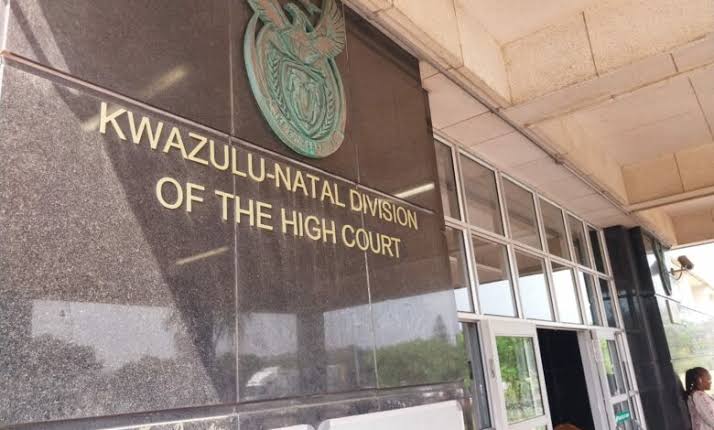






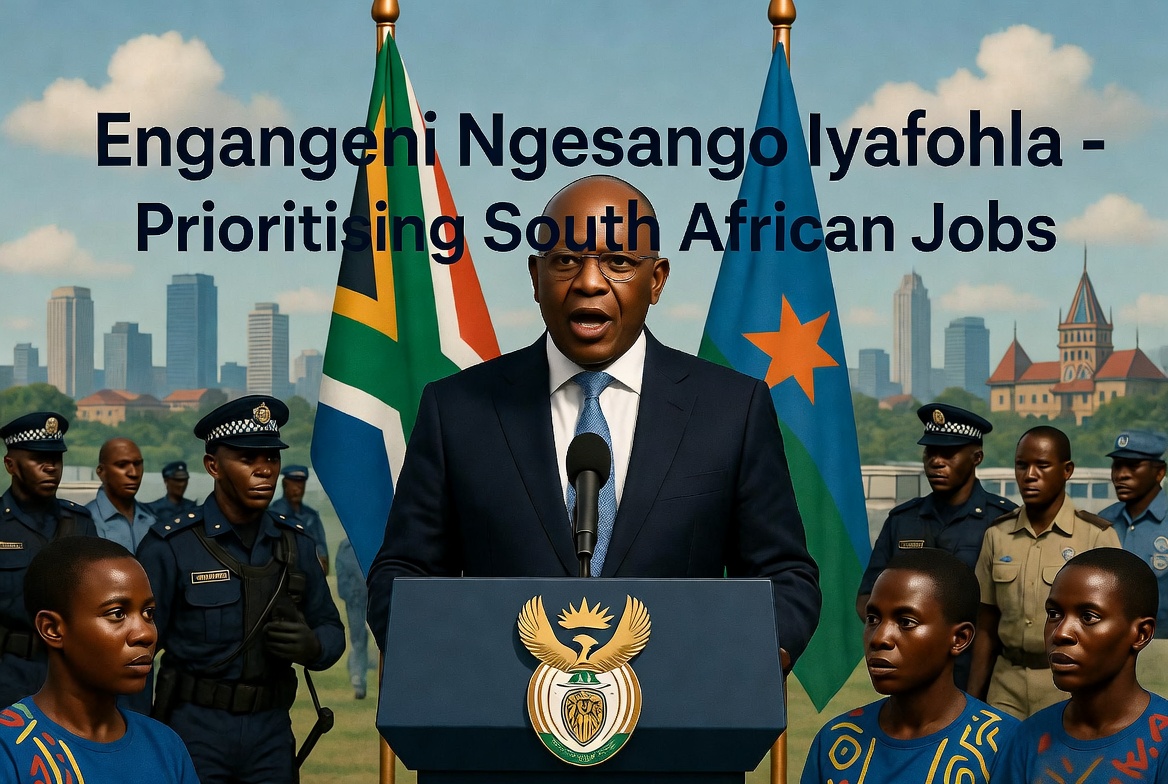
This initiative operates under the provincial programme “Operation Engangeni Ngesango Iyafohla” (sometimes referred to simply as the Engangeni Ngesango Iyafohla programme). It forms part of a broader response to public concerns about illegal immigration, heightened by marches and protests on 30 June 2026.
Background and Context
- The Programme: “Engangeni Ngesango Iyafohla” is a Zulu phrase used as the name for this multi-sectoral operation. It draws from a Zulu proverb or expression signaling firm refusal, boundary-setting, or a decisive “no more” stance (roughly conveying “I refuse to allow it” or drawing a clear line). The government has used it for some time in actions targeting illegal immigration, including raids on businesses, spaza shops, and workplaces employing undocumented foreigners.
- Timing: The announcement followed 30 June 2026 marches against illegal immigration across parts of South Africa, including KZN. While many marches were peaceful, some involved incidents of looting and crime (51 arrests reported in KZN). During this period, authorities arrested around 250 undocumented foreign nationals in the province.
- Premier’s Role: Thamsanqa Ntuli, from the Inkatha Freedom Party (IFP), has been Premier of KZN since 2024. He previously served as mayor of Nkandla Local Municipality and King Cetshwayo District Municipality. His background includes teaching and a focus on local governance. This crackdown aligns with his administration’s emphasis on addressing community tensions, protecting local job opportunities, and strengthening migration governance.
Key Elements of the Announcement
- Intensified Inspections: The provincial government will ramp up workplace and business inspections across KZN, involving SAPS, Department of Home Affairs (immigration officers), Department of Employment and Labour inspectors, and local municipalities.
- Focus on Employers: Emphasis shifts toward penalizing employers rather than solely targeting workers. Ntuli stated that employers hiring undocumented foreigners “are contributors to those tensions” in communities and are not “innocent bystanders.”
- Call for Harsher Penalties: Ntuli advocates for stronger national laws, including jail time and higher fines that “will really feel the pain,” arguing current sentences and penalties are insufficient deterrents. He plans to engage national government on this.
- Collaboration and Reporting: Residents are encouraged to report violations. Operations often involve joint teams, and landlords or others facilitating illegal activities (e.g., renting to undocumented individuals for businesses) are also highlighted as breaking the law.
- Broader Goals: Prioritize jobs for South Africans in positions that locals can fill, reduce community tensions, enforce the Immigration Act, and promote social cohesion. The operation has previously yielded arrests and compliance actions.
Nuances and Implications
Economic and Social Angles:
- Proponents argue that undocumented foreign labor undercuts wages, displaces South African workers (especially in informal sectors like spaza shops, trucking, and factories), and strains resources. Successful local takeovers of some opportunities post-repatriations have been cited as evidence.
- Critics (implicit in broader debates) might highlight potential labor shortages in certain sectors, risks of xenophobia, economic contributions of migrants (e.g., in small businesses), or implementation challenges like corruption or insufficient inspectors. Ntuli acknowledged the need for more immigration officers.
Legal and Practical Considerations:
- Enforcement relies on existing South African immigration and labor laws. Employers must verify work permits; violations can lead to arrests, fines, or business disruptions.
- Edge cases include distinguishing between documented and undocumented workers, asylum seekers, or those in legitimate processes; potential for profiling or errors in raids; and balancing enforcement with human rights.
- National-provincial coordination is key, as immigration is a national competency, but provinces handle many on-the-ground inspections.
Political Context:
- This fits into ongoing national debates on immigration reform amid high unemployment, service delivery issues, and periodic anti-immigrant sentiment. The IFP has historically emphasized Zulu cultural and local priorities.
- The 30 June marches (sometimes linked to groups like “March and March”) reflect grassroots pressure, with government responding through both enforcement and dialogue (e.g., prior summits).
Potential Outcomes and Challenges:
- Short-term: More raids, arrests of employers/undocumented workers, increased repatriations (Ethekwini alone reported over 20,000 in related efforts).
- Longer-term: Deterrence effect on hiring practices, possible shifts in informal economy dynamics, or legal challenges if enforcement is seen as overly broad.
- Risks include business disruptions, community divisions, or incomplete coverage due to resource limits. Success depends on sustained multi-agency effort, public cooperation, and national policy support.
- Related efforts include economic recovery plans and youth/women empowerment funds mentioned in Ntuli’s addresses.