

The headline refers to a series of high-profile arrests in South Africa stemming from evidence and testimony at the Madlanga Commission of Inquiry (formally the Judicial Commission of Inquiry into Criminality, Political Interference, and Corruption in the Criminal Justice System).
Background on the Madlanga Commission
The commission was established by President Cyril Ramaphosa in July 2025 following explosive public allegations by KwaZulu-Natal Police Commissioner Lieutenant-General Nhlanhla Mkhwanazi. On 6 July 2025, Mkhwanazi alleged that organized crime syndicates had deeply infiltrated the South African Police Service (SAPS), intelligence structures, the National Prosecuting Authority, and other parts of the criminal justice system. He claimed political interference in investigations (including politically motivated killings), corruption in tenders and appointments, and protection of criminal figures by senior officials.
- Chairperson: Retired Constitutional Court Justice Mbuyiseli Madlanga (assisted by other commissioners and evidence leaders).
- Hearings: Began in September 2025 in Pretoria. They have featured protected witnesses, senior police officials, politicians, and others, with evidence including documents, communications, and testimonies revealing alleged syndicates (sometimes called the “Big Five” or linked to figures like businessman Vusimuzi “Cat” Matlala).
- Key Focus Areas: Criminality and corruption in SAPS (e.g., tender fraud like the R360 million Medicare24 contract), political interference, docket manipulation, blue-light abuses, and links between police and organized crime. An interim report was submitted in late 2025, with extensions granted (latest to evidence deadline October 2026 and final report November 2026).
The commission does not itself make arrests (its role is judicial/investigative). A dedicated SAPS Commission’s Recommendations Task Team (CRTT) or “Madlanga Task Team” (name later clarified to avoid confusion) investigates referrals from the hearings and pursues prosecutions. This has led to the “police swoops” in the headline.
Major Arrests and Fallout Triggered by Commission Evidence
Evidence from hearings has led to numerous suspensions, resignations, disciplinary actions, and arrests. Notable examples include:
- Matipandile Sotheni (former Special Task Force member): Arrested in connection with the murder of “Witness D” (Marius van der Merwe), who had testified before the commission.
- Sergeant Fannie Nkosi (Gauteng Organised Crime Unit): Raided in April 2026; items like stun grenades, ammunition, stolen dockets, and cash recovered.
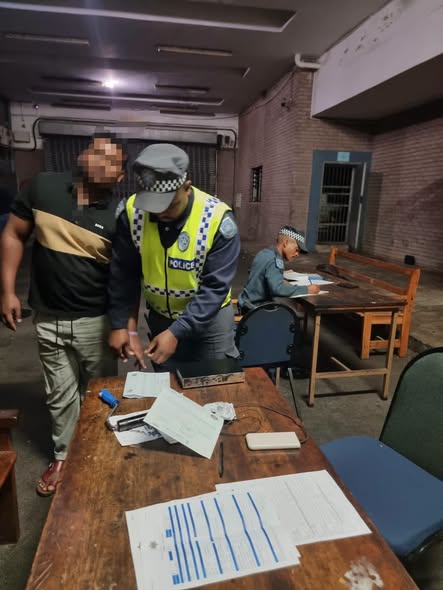
- Ekurhuleni officials (July 2026 “swoop”): Former City Manager Imogen Mashazi, EMPD Acting Chief Commissioner Julius Mkhwanazi, Head of Legal Kemi Behari, and Head of HR Linda Gxasheka arrested for alleged protection of Mkhwanazi in blue-lights/tender scandals linked to Matlala. Some granted bail; others remanded.
- Senior SAPS officers (e.g., May 2026): National Commissioner Fannie Masemola and around 12 others charged over the Medicare24 tender corruption involving alleged bribes to secure a police health services contract for Matlala’s company.
- Other high-profile cases: Arrests of generals like Feroz Khan (Crime Intelligence) and Ebrahim Kadwa (Gauteng Hawks) linked to precious metals and undercover operation allegations; political fixer Brown Mogotsi (arrested after testimony, accused of faking an attempt on his life); and others tied to interference in arrests or operations.
Dozens of senior officers (brigadiers, colonels, etc.) have faced suspension or charges. There have also been related incidents like assassinations or attempts, heightening security concerns for witnesses.
Context, Nuances, and Implications
- Effectiveness vs. Perception: The commission has “teeth” due to immediate referrals for investigation/prosecution, unlike some past inquiries (e.g., Zondo Commission). This has produced tangible actions rather than just reports. However, the commission has clarified it does not arrest people itself to avoid perceptions of judicial overreach.
- Broader Rot Exposed: Testimony has highlighted systemic issues like tender corruption, interference in high-profile cases (e.g., Armand Swart murder, drug raids), docket theft, and alleged “Indian cabal” or cartel influences in SAPS.
- Political Dimensions: Allegations touch politicians (including suspended Police Minister Senzo Mchunu) and raise questions about ANC patronage, though many claims remain untested in court. Presumption of innocence applies to those charged.
- Challenges and Criticisms: Costs, extensions, witness safety, and slow broader reforms. Some view it as exposing deep state capture remnants; others worry about internal police feuds or politicization. Positive views (e.g., from Corruption Watch) praise progress in accountability.
- Edge Cases/Related: Not all arrests are directly from commission evidence—some stem from parallel investigations triggered by the broader spotlight. Assassinations (e.g., of witnesses or implicated figures) add urgency to protection measures.
Overall Impact: As of mid-2026 (one year on), the commission has significantly disrupted alleged networks, leading to court appearances, contract cancellations, and public scrutiny. It underscores ongoing struggles with corruption in South Africa’s institutions but also demonstrates mechanisms for response. Outcomes will depend on successful prosecutions and implementation of recommendations in the final report.