
The drugs had been seized months earlier and the incident has been treated as a major case of possible internal collusion, poor security, and procedural failures. It has featured prominently in testimony before the Madlanga Commission of Inquiry.
Seizure and Storage
On or around 22 June 2021, Hawks investigators inspected a container at the CHC depot in Isipingo (near Durban). Intelligence had suggested about 27 kg (or 27 bricks) of cocaine, but the haul turned out to be far larger: 27 bags containing 541 kg of cocaine bricks (some marked with labels such as “Jaguar” and “TikTok”), estimated at R200–R250 million at the time.
Due to claimed space constraints at Isipingo Police Station (despite earlier storage of other large drug consignments there), the drugs were moved more than 100 km south to the Hawks Serious Organised Crime offices in Port Shepstone. They were placed in a walk-in safe/strong room. Critics and commission testimony have described this decision as irregular—nearby facilities in the Durban area were not used, and the Port Shepstone site was known to have serious security shortcomings.
The Theft
Between 6 and 8 November 2021 (over a weekend), the cocaine was stolen. Suspects gained entry (reports mention windows or other access) and used a grinder to breach the strong room. The facility’s alarm system was not operational, the private armed-response contract had expired months earlier (around March 2021), there were no functioning CCTV cameras or 24-hour guards, and the building had a long history of break-ins (this was described as the eighth incident over roughly a decade). Firearms stored at the same location were not taken, which fuelled suspicions that the cocaine was specifically targeted and that the theft was an inside job. A case of theft and business burglary was opened.
Investigations, Allegations, and the Madlanga Commission
The case remained unresolved for years, with widespread belief that it involved internal collusion. Testimony before the Madlanga Commission (which has examined alleged infiltration of the criminal justice system by drug cartels and related police failures) has highlighted multiple issues:
- Security and procedural lapses: No working alarms, expired security contracts, lack of cameras/guards, irregular key handling, and failure to fast-track the exhibits to a forensic laboratory.
- “By design” claims: Major-General Hendrik Flynn (Hawks head of Serious Organised Crime) described the sequence of events as intentional rather than a “comedy of errors.” Commission chair Justice Mbuyiseli Madlanga questioned the choice of storage location and other decisions.
- Inside-job suspicions and links to management: Warrant Officer Karl Sander (a Hawks narcotics investigator) testified that the thieves were linked to Hawks managers and that the suspects were known. Colonel Gavin Jacob (Durban Serious Organised Crime unit) denied personal involvement but acknowledged administrative and security failures; he also referenced a whistle-blower/informer who allegedly confessed to planning and executing the theft. Other officers, including Brigadier Campbell Nyuswa (who ordered the storage at Port Shepstone) and Major-General Lesetja Senona (then KZN Hawks head, who held keys to the safe), have distanced themselves or faced scrutiny over polygraph testing and decision-making. Former national Hawks head Lt-Gen Godfrey Lebeya has also been questioned about awareness and follow-up.
Related testimony has covered other missing cocaine consignments around the same period, reinforcing broader concerns about handling of high-value drug exhibits.
Recent Developments (2026)
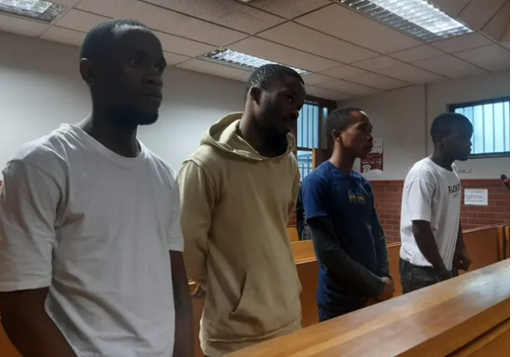
After years with no arrests, the Hawks’ Serious Organised Crime Investigation Unit arrested 49-year-old Lucas Legabe on 7 August 2026. He first appeared in Germiston Magistrates’ Court, was transferred to KwaZulu-Natal, and appeared in Port Shepstone Magistrates’ Court on 18 August 2026. He faces charges including housebreaking, theft, and dealing in drugs. Further arrests have not been ruled out.
On 8 September 2026, Legabe appeared again for a formal bail application. He has denied any involvement. His legal team stated in an affidavit that he was allegedly tortured and forced to confess (claims he intends to take to the Human Rights Commission). The value of the cocaine has been cited in recent reporting as more than R216 million in some accounts.
Broader Context and Implications
This incident is frequently cited as emblematic of systemic problems in the handling of major drug seizures in South Africa: inadequate secure storage, possible internal corruption or collusion with traffickers, delayed forensic processing, and weak accountability. It forms part of a pattern examined by the Madlanga Commission alongside other high-profile cases involving Brazilian-linked cocaine shipments and alleged police involvement. The fact that a large, high-value consignment could disappear from a priority-crime unit’s own premises has damaged public confidence and raised questions about the integrity of the Hawks and related SAPS structures.
Investigations remain ongoing. Outcomes of Legabe’s bail application, any further arrests, and the commission’s findings will determine the next chapters of accountability.