



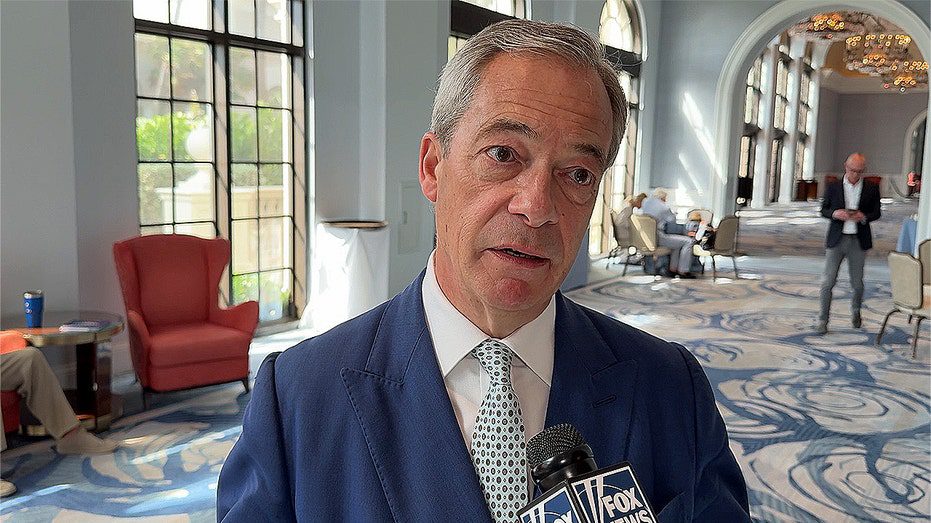
Nigel Farage, leader of Reform UK and a British Member of Parliament (MP), announced on Tuesday that he is stepping down from his parliamentary seat. He stated that his resignation is intended to trigger a by-election in his Clacton constituency, in which he plans to stand as a candidate.
Speaking during a press conference streamed on the Reform UK YouTube channel, Farage said, “Today I will resign as the Member of Parliament for Clacton-on-Sea, which will bring about a by-election—hopefully one that takes place swiftly.” He framed the upcoming vote as a confrontation between ordinary citizens and the political elite, describing it as an opportunity to send a strong message to the establishment.
Farage’s decision comes amid ongoing scrutiny over gifts he received from wealthy supporters while not serving in Parliament. He has denied any misconduct, asserting, “Let me be absolutely clear—I have done nothing wrong. I have not broken any law or misused public funds.”
An investigation by Parliament’s Commissioner for Standards into his conduct remains active. Of particular note, in May 2024—shortly before the July general election that returned him to office—Farage received a €5 million gift (approximately $5.7 million) from cryptocurrency entrepreneur Christopher Harborne. Farage maintains the donation was legitimate, emphasizing it was unconditional and made during a period when he was a private citizen, outside of parliamentary service, and therefore not in breach of standards rules.
He also explained that the funds were essential for personal security, citing a sharp increase in threats to his life, including attacks on his home and persistent online calls for violence. Farage said repeated appeals to the Home Secretary for assistance went unanswered, forcing him to cover significant security costs personally. He added that his state-provided security was cut by 70% just days after the murder of Charlie Kirk, heightening his concerns.
By vacating his seat, Farage triggers a by-election—a special election to fill the vacant MP position. Such elections usually occur within three to four weeks after Parliament issues the formal writ, suggesting the vote could take place in early August.