




(commonly known as the Shembe Church) in Inanda, north of Durban, KwaZulu-Natal, South Africa, on Monday, July 13, 2026.
Incident Overview
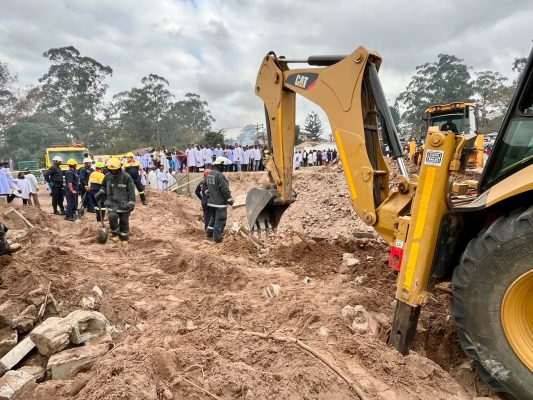
The collapse involved an approximately 18-metre-long retaining wall (described variably as low, around 1 metre high in parts, or up to 4-5 metres in others, made of centre-block concrete). It occurred shortly before midday during a church gathering or while people (congregants or workers) were nearby, possibly during lunch or activities related to a pilgrimage or ongoing site work.
Initial reports varied: some indicated around 20 people in proximity or potentially trapped under rubble and sand, with estimates of 10+ injured and several (5-7) unaccounted for. Emergency services, including eThekwini Fire and Rescue, search and rescue teams, paramedics (e.g., ALS Paramedics), SAPS, and others, responded quickly. Heavy machinery like excavators, TLBs (tractor-loader-backhoes), hand tools, and K9 units were deployed.
Key outcome: All eight rescued individuals were transported to hospital (two with critical injuries, others minor to moderate). Later updates confirmed no one remained trapped after thorough searches (digging through significant portions of the debris). The scene was cleared by emergency services.
Context on the Nazareth Baptist Church (Shembe Church)
The Nazareth Baptist Church is a prominent African Independent Church founded in the early 20th century by Isaiah Shembe. It blends Christian beliefs with Zulu cultural traditions and has significant followings in KwaZulu-Natal. eBuhleni Village is one of its key spiritual centers, often hosting large gatherings, pilgrimages, and events. Such sites can involve construction or maintenance amid high foot traffic, which adds layers of logistical and safety complexity during peak times.
Incidents like this highlight vulnerabilities at large religious or community sites, especially where temporary structures, retaining walls, or ongoing development intersect with public use.
Rescue and Response Efforts
- Rapid local action: Church congregants and marshals initially assisted with manual digging before formal teams arrived.
- Coordinated multi-agency response: Involved fire services, paramedics, police search and rescue, and provincial bodies like KZN COGTA (Cooperative Governance and Traditional Affairs) and the Provincial Disaster Management Centre.
- Challenges: Media access was reportedly restricted by church marshals in early stages. Debris (rubble and sand) required careful, layered removal to avoid further collapses or missing victims. No screams or signs of life were reported from deeper rubble in some accounts, but searches continued exhaustively.
The successful rescue of all affected (with no fatalities reported in available updates) reflects effective emergency coordination in a challenging urban-rural interface area.
Aftermath and Investigations
- Medical care: Victims were initially taken to a nearby clinic, then hospitals. As of mid-week updates, some remained hospitalized.
- Official actions: The Department of Public Works and Infrastructure launched an investigation. eThekwini Municipality deployed building inspectors and safety teams. The city met with church leadership to pledge support for reconstruction oversight. Minister Dean Macpherson emphasized stronger building standards and collaboration with built-environment professionals.
- Community impact: The event caused initial panic and chaos. It underscores the emotional toll on a tight-knit faith community during what should be a time of spiritual gathering.
Broader Implications and Considerations
Safety in construction at sensitive sites: Retaining walls are critical for stability on sloped or excavated terrain common in areas like Inanda. Failures often stem from factors such as poor design, inadequate materials, insufficient reinforcement, water erosion, ground movement, or rushed work—though the exact cause here is under investigation. Religious and cultural sites frequently expand informally or through community labor, raising questions about regulatory oversight, permitting, and professional engineering involvement.
Urban and disaster risk in KZN: Durban and surrounding areas face risks from heavy rains, informal development, and aging infrastructure. This incident aligns with broader patterns of structural failures in South Africa, prompting calls for better enforcement of building codes (e.g., via the National Building Regulations).
Nuances and edge cases:
- Pilgrimage timing: Large gatherings amplify consequences; what might be a minor failure elsewhere becomes high-stakes.
- Private vs. public response: Church-led initial efforts supplemented formal services, showing community resilience but also potential coordination gaps.
- Media and access: Restrictions highlight tensions between transparency and site sanctity/security.
- Long-term: Beyond immediate fixes, this could influence insurance, liability, and funding for church infrastructure projects. No fatalities is a relief, but critical injuries carry ongoing health and economic implications for victims and families.