





KZN has fewer cases than the hardest-hit areas (such as the Western Cape and Free State) but has reported localised outbreaks meeting the official definition (three or more cases in a health district within four weeks).
Current Situation in KZN and Nationally
According to National Institute for Communicable Diseases (NICD) weekly situation reports:
- As of mid-to-late August 2026 (data through roughly ISO weeks 32–33, covering late December 2025 to mid-August 2026), South Africa had recorded approximately 3,747–3,891 laboratory-confirmed measles cases nationally. More recent Department of Health figures around late August cited about 3,462 cases since January 2026 (figures can vary slightly by reporting cutoff and updates).
- KZN specifically: Around 88–93 cumulative laboratory-confirmed cases in the main reporting periods (e.g., 88 by early August data; roughly 93 by mid-August). This is relatively low compared with the Western Cape (over 1,200–1,300 cases) or Free State (around 690–700).
- Outbreaks have been declared or noted in KZN districts/municipalities including eThekwini, King Cetshwayo, uMkhanyakude, and more recently Amajuba. Earlier reports (around June) flagged new outbreaks in eThekwini, King Cetshwayo, and uMkhanyakude. Recent weekly data showed limited new cases in some of these areas (e.g., zero or low single-digit new cases in the prior four weeks for several districts), while Amajuba met outbreak criteria with a small number of new cases.
Nationally, most cases (around 67–71%) occur in children aged 1–14 years. There is also a notable share among infants under 1 year and some increase among adults over 15, pointing to immunity gaps. Attack rates are highest in under-1s and school-age children in affected provinces. Measles remains endemic, with typical seasonal peaks (historically autumn/spring; some shift noted toward winter in 2026 data).
The Department of Health has highlighted active outbreaks in the Western Cape, Free State, KwaZulu-Natal, Northern Cape, and other provinces, linking them directly to falling immunisation coverage.
Drivers: Declining Vaccination Coverage
A key factor is the sharp drop in routine childhood immunisation:
- The proportion of completely unvaccinated infants (under 1 year receiving no vaccines) rose from 12.1% in 2017 to 36.3% in early 2026 (January–April data).
- First-dose coverage among under-1s fell from around 87% in 2021 to 67% in 2025; hexavalent vaccine coverage also declined substantially.
- Coverage has dropped across all 52 health districts, well below the World Health Organization’s 90–95% target needed for herd immunity against measles.
This creates pockets of susceptibility where the highly contagious virus (which can linger in the air or on surfaces) spreads easily, especially in schools, crèches, and communities. Contributing factors discussed by officials include limited parental awareness/knowledge, possible access or service delivery issues, and misinformation.
Symptoms, Complications, and Transmission
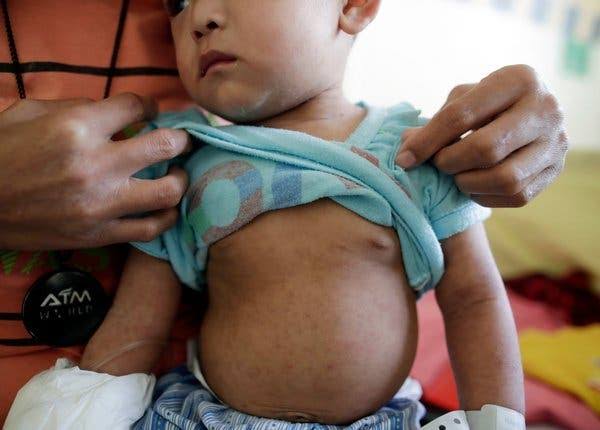
Measles is caused by a highly contagious virus. Symptoms typically appear 7–14 days (often 10–14) after exposure and include high fever, dry cough, runny nose (coryza), red/watery eyes (conjunctivitis), and a characteristic red blotchy rash that usually starts on the face/neck and spreads downward. Tiny white spots (Koplik spots) may appear inside the cheeks.
It spreads via respiratory droplets from coughing/sneezing; an infected person is contagious from about 4 days before the rash appears until about 4 days after. Complications can be severe, especially in young children, malnourished individuals, or those with weakened immunity: pneumonia, ear infections, severe diarrhoea/dehydration, encephalitis (brain inflammation), blindness, and death. Vitamin A supplementation is standard for cases to reduce severity and eye complications. There is no specific antiviral treatment—care is supportive.
Response and Prevention
- Vaccination is the primary tool. In South Africa’s Expanded Programme on Immunisation, measles vaccine (or measles-rubella combination where available) is given at 6 months and 12 months. Catch-up doses are available and recommended for those who missed them (including older children up to 15 in campaign contexts). Private options may include MMR.
- Authorities urge parents/caregivers to check Road to Health booklets and take children to clinics for missed or catch-up doses. National and provincial efforts include intensified routine immunisation, targeted catch-up campaigns, mop-up in low-coverage areas, surveillance strengthening, contact tracing/vaccination of contacts, and public awareness.
- Clinicians are advised to investigate suspected cases promptly (fever + rash + cough/coryza/conjunctivitis), collect specimens, and notify via the Notifiable Medical Conditions system. Wastewater surveillance also detects circulation in some areas.
KZN-specific public communications or large-scale provincial campaigns beyond national efforts were not prominently detailed in the latest available reports at the time of these data, but the province is included in the broader response and has reported the localised outbreaks noted above. Healthcare facilities continue to offer vaccines, and stock has generally been managed amid earlier supply constraints in some periods.
Broader Context and Implications
This resurgence mirrors patterns seen when coverage dips below thresholds needed for herd immunity—diseases that were better controlled re-emerge, risking reversal of gains in child mortality reduction. Similar concerns apply to other vaccine-preventable diseases (e.g., rubella cases have also been reported, with risks for pregnant women via congenital rubella syndrome). Officials stress that the situation has moved beyond theoretical risk into active multi-province outbreaks and call for urgent action on both supply/access and demand-side factors (awareness, trust, reducing hesitancy).
For the most current figures, check the NICD measles/rubella dashboard or latest weekly situation reports (nicd.ac.za), KZN Department of Health updates, or national Department of Health statements. If you or a child has symptoms, contact a healthcare provider promptly—do not rely solely on general information. Vaccination remains highly effective and the best protection.