



The enquiry was established by President Cyril Ramaphosa in September 2025 under section 12(6) of the National Prosecuting Authority Act. It examined serious allegations made by then-National Director of Public Prosecutions Shamila Batohi against Chauke. These primarily concerned:
- Chauke’s role in the 2012 racketeering prosecution (consolidating ~23 murder dockets involving ~28 deaths between roughly 2008–2011) against Booysen (then KwaZulu-Natal Hawks head) and members of the Cato Manor unit, often labelled a “death squad” in media and allegations.
- Related claims that Chauke improperly supported or defended those charges despite an alleged lack of evidence, and issues around the later withdrawal of the case.
- A secondary matter involving the provisional withdrawal of murder-related charges against former Crime Intelligence head Richard Mdluli.
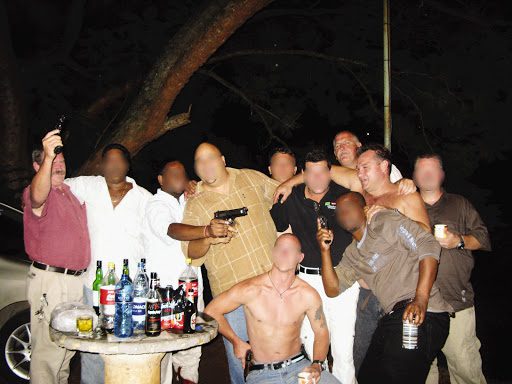
The Cato Manor unit faced allegations of a pattern of unlawful killings (often of taxi association members or associates after a senior police officer’s ambush), crime-scene manipulation (e.g., planting firearms, removing spent cartridges), torture, and photographing bodies as “trophies.” Police versions typically claimed self-defence. Forensic reconstructions (including ballistics by expert Christiaan Mangena), witness statements (including from former reservist Aristides Danikas), and other evidence presented at the enquiry challenged many of those accounts.
Batohi had withdrawn the racketeering charges around 2019 after a review panel (associated with the late Advocate Rodney de Kock) concluded there was insufficient evidence. Chauke was suspended in mid-2025 pending the enquiry. Booysen did not testify (he withdrew after initially indicating willingness and later complained of potential prejudice and lack of prior notice of possible incrimination).
Key Findings and Recommendations
The panel, chaired by retired Constitutional Court Justice Bess (Baaitse Elizabeth) Nkabinde and assisted by Adv Elizabeth Baloyi-Mere SC and attorney Matshego Ramagaga, signed its report on 30 June 2026. It was publicly released around late August 2026 after Ramaphosa authorised it.
Core conclusions relevant to Booysen and the unit:
- The long-standing “no evidence” position (relied on by Batohi and others to justify withdrawing or not pursuing charges) was unsubstantiated in light of the overwhelming evidence presented at the enquiry.
- There was evidence supporting the institution of racketeering charges against Major-General Booysen and members of the Cato Manor Unit under POCA.
- Chauke’s role was limited to coordination/oversight of a prosecution team (appointed under then-Acting NDPP Nomgcobo Jiba); there was no credible evidence that he took the key prosecutorial decisions alleged against him or acted unlawfully.
- Chauke was therefore found fit to continue holding office as DPP (South Gauteng). Ramaphosa accepted the findings and recommendations, exonerated Chauke, and communicated this.
The panel explicitly noted that its findings on the existence of evidence did not amount to a determination of guilt. Forensic and other findings should stand unless and until tested in a court of law. It also highlighted that many of the underlying murder dockets remain unprosecuted, describing the prolonged delay as a denial of justice to victims and their families.
On the Mdluli matter, the panel found Chauke’s decision to provisionally withdraw charges and refer the matter to an inquest was not irrational (consistent with prior SCA findings).
Implications and Nuances
- Justice and accountability: The report reignites long-standing questions about the Cato Manor killings and the NPA’s handling of the case over more than a decade. Families of those killed (examples detailed in reporting include cases involving young people or individuals under protection orders) have not obtained closure through successful prosecutions.
- Institutional tensions: It sharply criticises aspects of the NPA’s prior approach under Batohi (who walked out during cross-examination and did not complete her evidence; her broader accusations against Chauke were found unsubstantiated). Selective information was reportedly provided in the referral to the President. Earlier internal reviews (e.g., De Kock panel) that supported withdrawal are now contrasted with the enquiry’s assessment of the full body of evidence presented.
- Booysen’s position: He has long maintained the case against him and the unit was politically motivated or lacked merit. He previously faced (and largely overcame via internal disciplinary processes and court review) related SAPS processes. Civil claims related to the prosecution were settled confidentially. The enquiry’s findings create pressure for potential re-examination of the dockets, though any actual prosecution would require independent NPA decision-making, consideration of double-jeopardy/abuse-of-process arguments, prescription issues, and fresh evaluation of evidence quality after many years.
- Broader context: The matter sits within South Africa’s complex history of police accountability, organised crime (taxi industry violence), state capture-era NPA controversies (involving figures like Jiba and Abrahams), and ongoing debates about prosecutorial independence versus political influence. Earlier related processes (e.g., Mokgoro enquiry recommendations leading to dismissals of other senior prosecutors) form part of the backdrop.