



Public comment opened on 28 August 2026 and closes on 29 September 2026. It would repeal and replace the existing 2021 Animal Keeping By-law. Official aims include better management of animal welfare, strays, nuisance animals, vicious dog attacks, working animals (e.g., cart horses and security dogs), livestock/poultry on non-agricultural properties, bees, impoundment, and related issues. It also proposes bans on glue traps, wild/exotic animals in circuses, and using animals for hunting, plus stronger rules on microchipping/identification, sterilisation, and public control of dogs.
Controversial elements for ordinary dog and cat owners (as summarised from the draft and analyses) include:
- Mandatory individual permits: Anyone keeping a dog or cat older than six months must apply to the City for a permit for every animal, pay a prescribed permit fee (set out in the City’s tariff of charges), and provide a valid rabies inoculation certificate.
- Property-based limits on numbers (e.g., maximum 2 dogs in flats/sectional title units; 3 in standard residential properties under ~600 m²; 4 in larger ones; up to 6 on agricultural land; generally up to 4 cats on residential properties). Keeping more requires a special excess-animal permit (with fee), inspection, and often neighbour consent.
- Sterilisation: Dogs and cats over six months generally need to be sterilised, unless an owner obtains (and pays for) an exemption permit.
- Enforcement powers: Provisions for search and seizure without a warrant in certain circumstances (e.g., where an official believes a warrant would be granted and delay would defeat the purpose). Critics highlight this as giving Metro Police/law enforcement broad powers for “pet paperwork.”
Other rules cover commercial kennels, pet shops/grooming, working animals’ welfare (e.g., rest breaks, temperature limits), and shorter pound retention periods.
The controversy and political angle
The DA runs the City of Cape Town (Mayor Geordin Hill-Lewis). Mayoral Committee Member for Safety and Security JP Smith has defended the draft, stating it does not require “pet licensing” in the way critics claim, that registration can be free in some contexts, and that paid permits mainly apply to excess animals or specific situations. Critics (including the GOOD Party’s Brett Herron, commentator Willem Petzer, and platforms like Dear South Africa) accuse Smith and the City of downplaying or misrepresenting the wording. They point to explicit draft language requiring a permit + prescribed fee for every dog/cat over six months, plus warrantless search powers, and frame it as another tax on middle-class residents (especially after recent rates disputes).
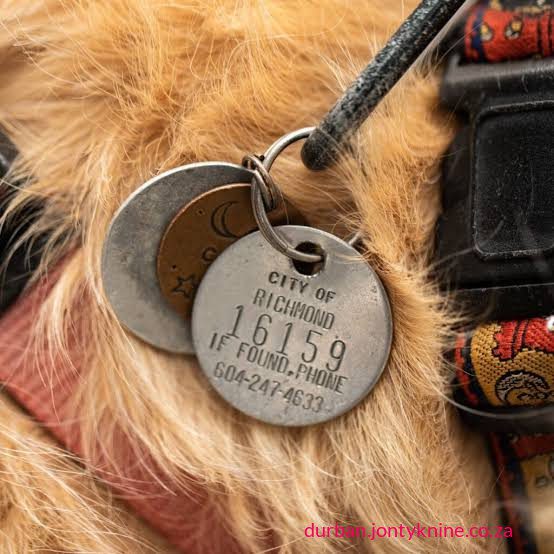
Public reaction has been largely negative in available comment platforms and online discussion: many view it as overreach, a revenue-raising “pet tax,” bureaucratic burden, or misdirected enforcement (diverting resources from serious crime like gangs/extortion). Supporters or the City emphasise animal welfare, responsible ownership, reducing strays/overpopulation/nuisances, and public safety. Historical context includes older municipal dog-licence systems in parts of South Africa (pre- and post-1994 in some areas), but these had largely faded or been limited.
This is a municipal by-law process, not national legislation proposed by the DA in Parliament. (Separately, the DA has advanced other animal-related private members’ bills, such as one on licensing/assistance animals for people with disabilities under the Performing Animals Protection Act, focused on access rights rather than general pet ownership.)
Current status and how to engage
The draft remains open for public comment until 29 September 2026. Documents are available on the City of Cape Town website, at libraries, and subcouncil offices. Comments can be submitted online, by email (e.g., animal.bylaw@capetown.gov.za), or in writing. Independent platforms (such as Dear South Africa) have also aggregated responses.
Exact fee amounts are not fixed in the draft itself (they would appear in the City’s annual tariffs once approved). Enforcement capacity, practical rollout, exemptions, and final wording could still change after the public participation process and council consideration. Some provisions (limits on numbers, certain permits) build on or clarify the 2021 by-law rather than being entirely novel.
In short, the “new law with dog licences proposed by the DA” refers to this Cape Town draft by-law and the intense local backlash portraying the permit + fee requirements as a controversial new tax/licence on pet ownership. The debate mixes genuine animal-welfare and public-safety goals with concerns about cost, bureaucracy, privacy/enforcement powers, and political optics in a DA-run city.