




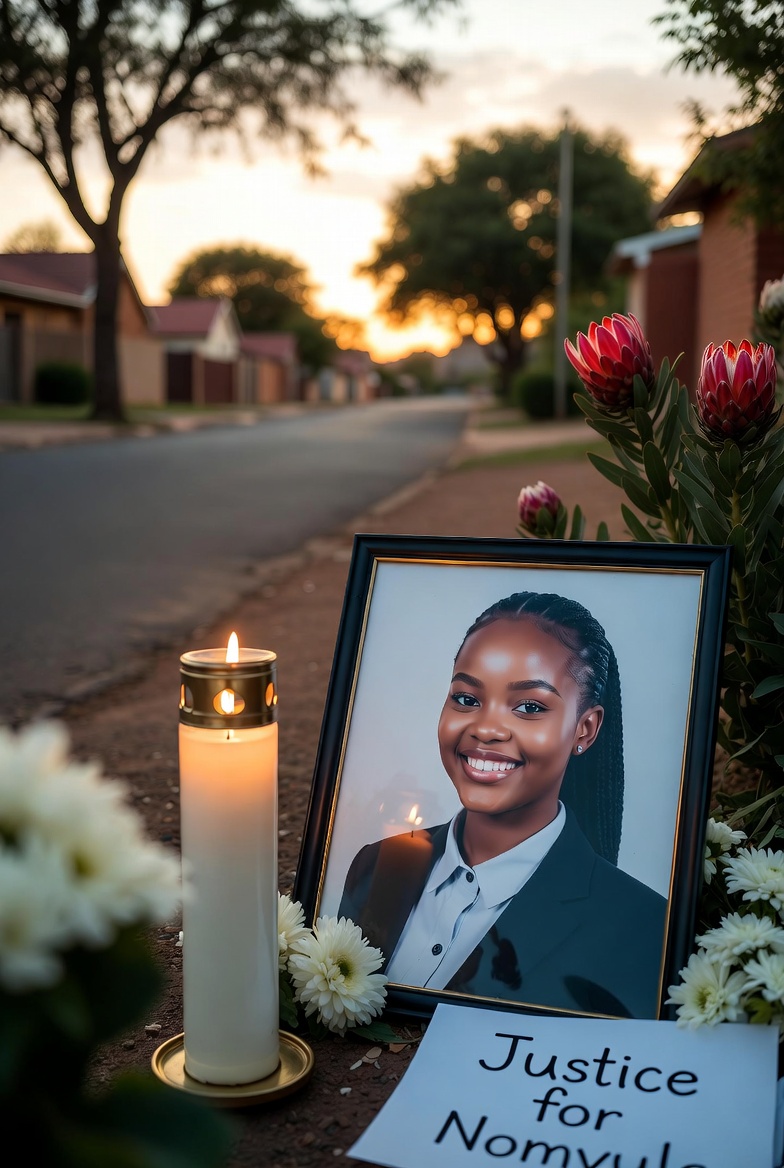
Nomvula Ndlela, originally from KwaMakhutha, had recently moved to the Woodlands area after securing employment there. On Thursday (around July 3-4, 2026, based on reporting timelines), she was attacked while walking on the road to a nearby garage to buy something. She was not on private property where the dogs were kept.
Residents reportedly intervened to help, but she succumbed to her injuries at the scene. Reports describe a brutal attack involving multiple dogs (accounts mention a pack, with some references to pit bulls in related social media and local discussions).
Her mother, Bathobile Ndlela, expressed profound grief, emphasizing that Nomvula was the family’s breadwinner and a hardworking young woman. “All I am asking for is justice for my child,” she stated. “I would have understood if this had happened while she was inside the yard where the dogs were kept, but she was walking on the road.” The family views the loss as irreplaceable and rejects monetary offers in favor of holding those responsible accountable.
Community and Broader Context
The incident has heightened local concerns. Residents had previously complained about dogs roaming freely in the area, raising questions about enforcement of animal control bylaws. Community meetings involving leaders, police, and the Community Policing Forum (CPF) have been held to discuss stricter measures for preventing similar tragedies.
This case fits into a pattern of dog attacks in South Africa, where fatal incidents—often involving pit bulls or packs—have sparked debates about responsible ownership, breed-specific legislation, and public safety. South African law generally holds dog owners liable under delict (civil wrong) principles for damages caused by their animals, especially if negligence (e.g., failure to contain aggressive or roaming dogs) can be shown. Criminal charges, such as culpable homicide, are possible in severe cases, though outcomes vary.
Public reactions on platforms like Facebook and X echo the family’s stance: money cannot replace a life, and owners must face consequences. Some call for examples to be made to deter negligence.
Legal and Societal Angles
- Civil Compensation: Families can pursue claims for funeral costs, loss of support (especially relevant here as Nomvula was the breadwinner), emotional trauma, and other damages. However, as seen in this case and precedents, some prioritize accountability over settlements.
- Criminal Justice: Investigations typically focus on whether owners violated bylaws (e.g., failing to leash or contain dogs) or acted negligently. Prior complaints about roaming dogs could strengthen arguments for liability.
- Prevention and Policy: Incidents like this often renew calls for better enforcement of animal control laws, microchipping, sterilization, or restrictions on certain breeds in urban areas. Challenges include resource constraints for authorities and cultural/economic factors around pet ownership in South Africa.
- Nuances: Not all dogs or owners are problematic; many advocate for education on responsible ownership rather than blanket bans. Edge cases include stray packs versus owned animals, and distinguishing provoked vs. unprovoked attacks. Here, the public road setting and prior complaints suggest systemic issues in the neighborhood.
Implications
This tragedy underscores vulnerabilities in suburban safety, the emotional toll on families, and tensions between individual rights (pet ownership) and community protection. The funeral was scheduled for Saturday in KwaMakhutha, providing a moment for mourning amid ongoing demands for action.
Broader considerations include mental health support for affected families and communities, potential economic ripple effects (e.g., fear impacting mobility or property values), and the need for balanced policy responses that address root causes like inadequate enforcement without stigmatizing all dog owners.