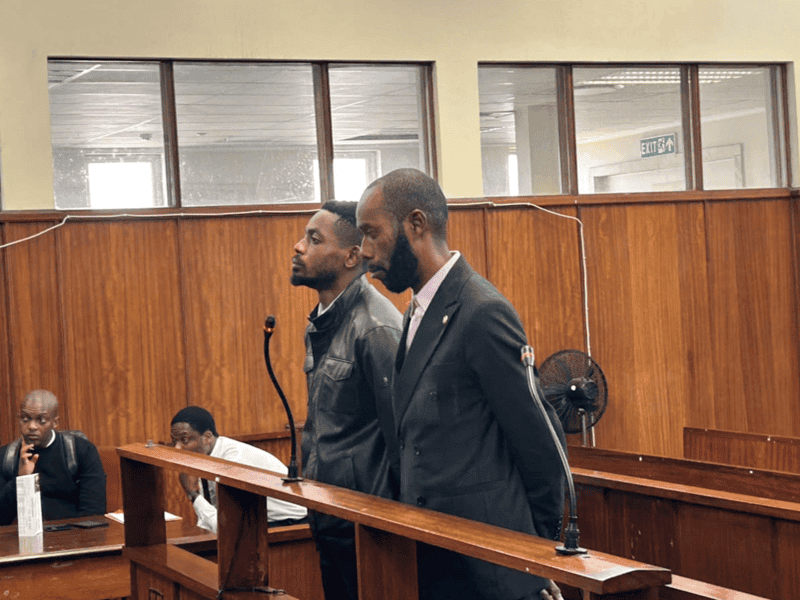




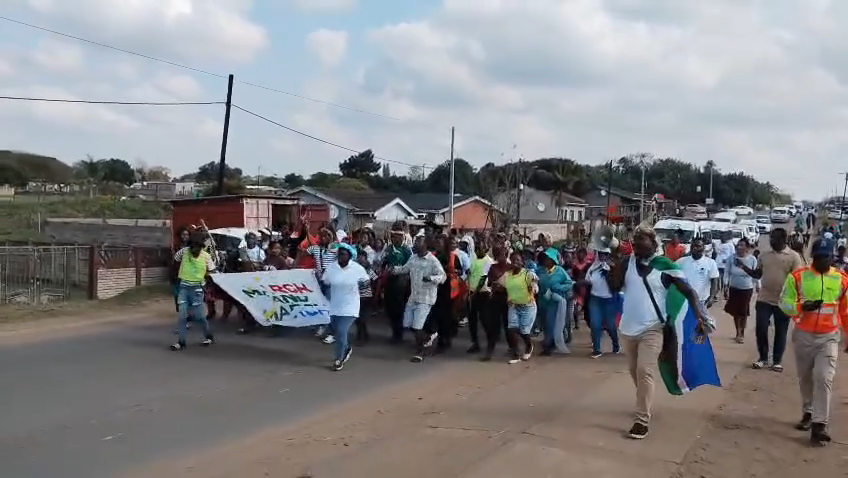
Protesters are marching to the Durban Central Court today as community figures Magolide and Wandile Nsibande get ready to face the judge. Crowds are showing up in big numbers to support the two men, chanting and keeping up the pressure outside the courthouse ahead of their court appearance. More people are expected to join the scene as the court proceedings kick off today
This follows their arrests on Saturday, 10 October 2026, amid protests in Durban linked to immigration enforcement, asylum processes, and related tensions. Crowds have been assembling in noticeable numbers, with reports of chanting and continued pressure outside the courthouse as proceedings begin. Additional supporters are expected to join as the day progresses.
Background on the arrests and context
Magolide and Wandile Nsibande are associated with the March and March movement/activism in Durban. Recent actions included protests near Home Affairs offices and refugee facilities, calls related to constitutional amendments perceived as not sufficiently prioritising South African citizens, and opposition to aspects of asylum and immigration policy. Some reporting tied elements of the unrest to demands involving a Constitutional Court ruling on asylum applications.
On 10 October, police moved to disperse gatherings. Magolide was specifically linked in reports to alleged threats to shut down or disrupt the MTN8 final at Moses Mabhida Stadium between Orlando Pirates and Mamelodi Sundowns (the match proceeded). Police described a gathering at King Dinuzulu Park that was to stage a march. Wandile Nsibande was also detained; accounts vary on whether he was arrested directly or entered a police vehicle in solidarity.
A legal analysis circulated online (from Donda Attorneys Inc) examined the constitutional right to peaceful, unarmed assembly under Section 17, noting that protection falls away if protest turns violent or targets unlawful conduct. It discussed potential charges such as incitement, attempted public violence or intimidation, the distinction between preparation and attempt, and relevant case law (including points on notice for gatherings no longer being criminal in itself). The analysis emphasised that a mere threat to “shut down” a stadium is not automatically an offence and that the state would need to prove specific elements.
Earlier coverage of Wandile Nsibande had also highlighted circulating videos from the broader unrest in which he was shown confronting people perceived as foreign nationals, prompting calls for police attention in some reporting.
Today’s developments
As of this morning (12 October 2026), social media updates from local accounts show groups marching toward the court specifically for the appearance of Magolide, Wandile Nsibande, and reportedly some students arrested in connection with the recent anti-immigration-related unrest. The atmosphere outside is one of visible support and continued mobilisation under hashtags such as #DurbanUprising.
Court appearances in these circumstances typically involve formal charges being put, possible bail applications, and procedural steps. Outcomes depend on the specific charges ultimately preferred, evidence presented, and any conditions or prior records involved (some online commentary has referenced parole-related issues for one of the individuals, though this remains unconfirmed in official statements).
Broader angles and implications
- Rights vs public order: South Africa’s constitution strongly protects peaceful protest. At the same time, authorities have a duty to prevent disruption of major public events, violence, or intimidation. The legal commentary circulating after the arrests underscores that the threshold for criminal liability is higher than simple assembly or strong speech.
- Immigration and community tensions: The protests sit within ongoing, highly charged debates in KwaZulu-Natal (and nationally) about asylum processes, undocumented migration, competition for resources, and perceptions of government enforcement. Social media influencers and citizen journalism accounts have played a large role in amplifying footage and narratives on all sides.
- Public reaction: Support outside the court reflects solidarity among those who view the arrests as an overreach against community organisers. Counter-views emphasise the need to maintain order, protect commercial events such as the MTN8 final, and investigate any elements of intimidation or xenophobic targeting that may have occurred during the unrest.
- Practical considerations: Large gatherings near a courthouse can create logistical pressure on police and court security. Peaceful monitoring and clear communication of rights and limits remain important for all parties.