
Durban’s music history is rich, diverse, and deeply intertwined with South Africa’s cultural melting pot. As a major port city with strong Zulu, Indian, English, and African influences, it has shaped genres from rock ‘n’ roll to kwaito, house, jazz, and blues. Here’s a chronological and genre-based overview, tying back to the blues revival scene you asked about earlier.
Early Days to Mid-20th Century
- Durban’s musical life dates back to the 1850s–1900s, with colonial-era concerts, bands, and social events. Early Black popular music in the city included ragtime-influenced compositions with vernacular lyrics.
- In the 1950s, guitarist John Bhengu gained fame in Durban for his distinctive ukupika (picking) style of Zulu guitar playing, blending traditional and modern sounds.
1960s–1970s: Birthplace of South African Rock
Durban earned a reputation as the epicenter of rock music in South Africa during this era (roughly 1963–1975). The vibrant local scene produced beat groups, soul, rhythm & blues, and hybrid sounds mixing Indian, English, and African elements.
Key bands and artists:
- The Flames — Pioneering rock/soul outfit; members like Ricky Fataar and Blondie Chaplin later joined The Beach Boys.
- The Wild Things — Popular rock/soul/R&B group that recorded albums like Soul (1968) and Suddenly (1969). Blondie Chaplin also played with them early on.
- Others: The Gonks, The Third Eye, The Mods, The Raiders (successful in record sales), The Invaders, and The Cheyennes.
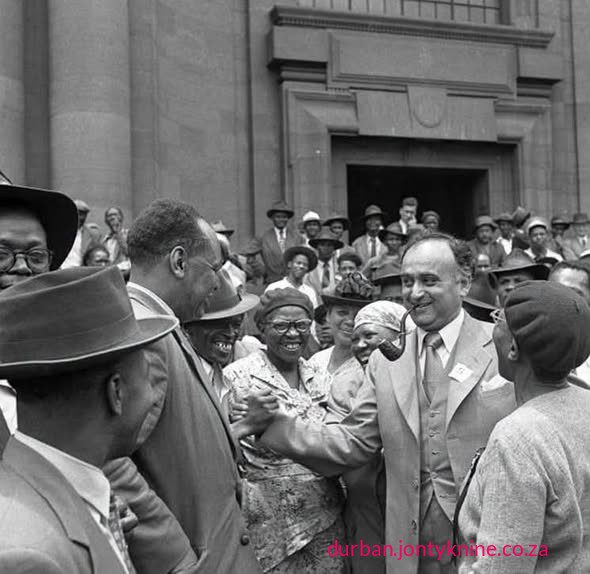
This period featured lively club scenes and interracial collaborations despite apartheid restrictions. The University of Natal (now UKZN) also became a hub for experimental and avant-garde music in the early 1970s, including electroacoustic work and the inclusion of African, Indian, and jazz studies — part of the broader “Durban Moment” of political and cultural ferment.
Blues Scene in Durban
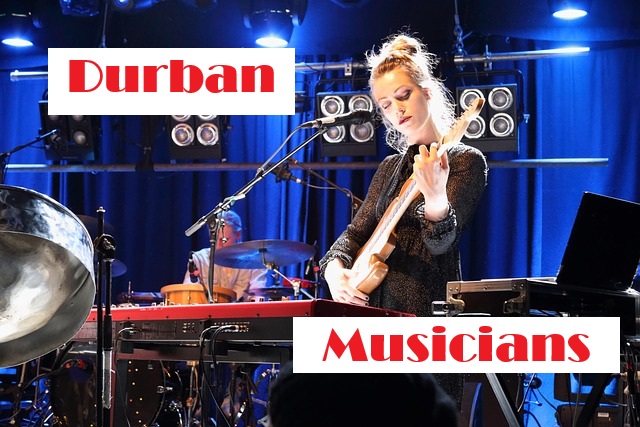
Blues has long had a presence, often intertwined with rock, soul, and R&B. Durban hosted blues events for years, with the Durban International Blues Festival running annually (at least into the mid-2010s, often at Wilson’s Wharf). Organiser Themi Venturas has spoken about its origins, including early “Bluesummit” events and performances by artists like Dan Patlansky. The current Durban Blues Revival Festival (13 June 2026 at Westown Square) is a direct nod to reviving that raw, guitar-driven energy in the city.
South African blues-rock has produced national stars like Dan Patlansky (who has played Durban events), and the genre draws on both global influences and local roots (with some tracing blues scales back to African musical traditions).
Jazz, Indian Classical, and Other Traditions
- Durban has a strong jazz history, with local scenes feeding into broader South African jazz (though much of the iconic exile-era jazz like The Blue Notes came from other centers).
- The large Indian community has sustained Carnatic and other classical music, dance (Bharatanatyam, Kathak), and recitals at venues like The Playhouse.
- Zulu maskandi and traditional forms have also thrived, with modern interpreters keeping roots alive.
1980s–1990s: Punk, Disco, and the Rise of Kwaito
- Punk and alternative rock gained a cult following in Durban and Johannesburg, with bands like Peach emerging locally.
- The 1980s disco/club scene was legendary, with spots like the Palladium, Zoom, Genesis, and Joe Cools pumping house and party anthems.
- Kwaito exploded in the late 1980s/1990s (originating in Soweto but with a strong Durban variant). Durban kwaito/house blended slowed house beats, local drums, and township energy. Pioneers included Sandy B (whose AmaJovi Jovi was a breakthrough KZN release), and later figures like DJ Tira (who founded Afrotainment in 2007, helping define Durban kwaito). Artists like Professor Rhythm and Tzozo also contributed.
This era reflected post-apartheid freedom, youth culture, and economic opportunities for Black artists.
2000s–Present: Modern Durban Sounds
Durban continues to export talent across genres:
- Hip-hop/Rap: Nasty C, Blxckie.
- Kwaito/Amapiano/House: Big Nuz, Babes Wodumo, Busiswa, Distruction Boyz, Sketchy Bongo.
- Rock/Blues/Indie: Ongoing revival efforts, plus artists like Baby Queen (international breakout).
- Jazz/Experimental: Linda Sikhakhane and others.
- International crossovers: Black Coffee (house), Howard Carpendale (pop, huge in Germany).
The city remains a hub for live music, festivals, and fusion — from gqom (Durban house) to maskandi and electronic scenes.