




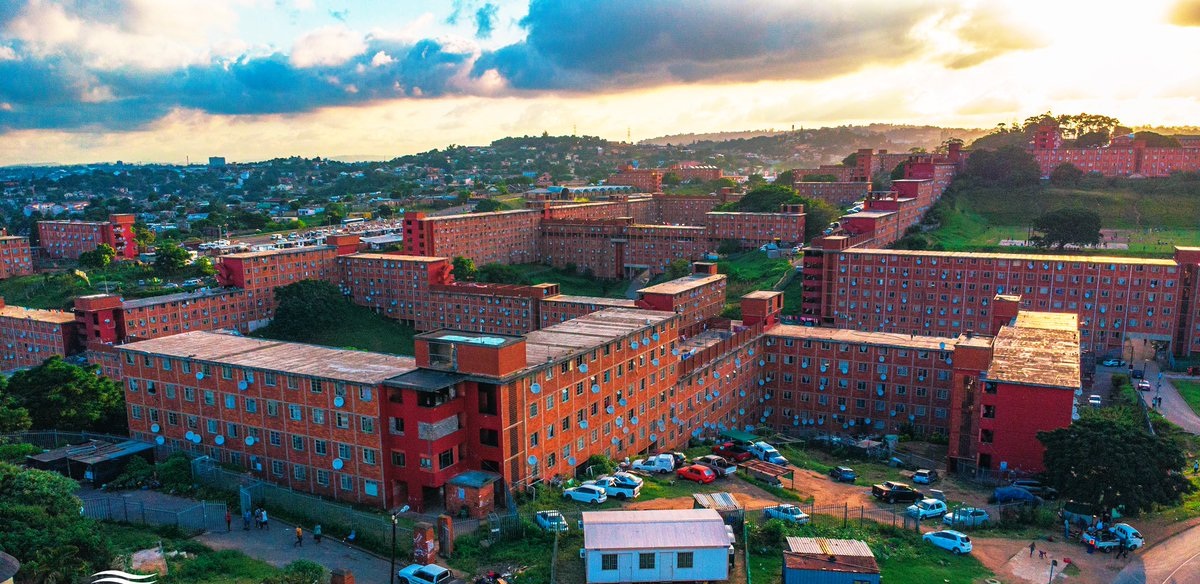
The eThekwini Municipality (Durban) is reviewing rental tariffs for its hostels ahead of the 2026/27 financial year, with proposed increases set to take effect from 1 July 2026. This move stems from severe revenue collection failures despite heavy past investments in the facilities.
Key Facts from the Report
- 10 hostels in total.
- In the past financial year, the municipality billed R56.6 million in rentals across these hostels.
- Collection rate: Under 5% — meaning they recovered only a tiny fraction of the billed amount (roughly R2.8 million or less).
- Investment since 2005: Over R1 billion spent on upgrading existing hostels and constructing 4,878 new family units.
- Operating costs (previous year): R1.076 billion total for hostel property management, of which R860.9 million went to water and electricity alone.
Current monthly rental tariffs (before any increase) include:
- Sharing non-upgraded bed space: R88
- Single room non-upgraded: R143
- Sharing upgraded bed space: R197
- Single room upgraded: R311
- Two-bedroom units: R865
- Three-bedroom units: R1,162
- Four-bedroom units: R1,459
- KwaDabeka-specific rates are even lower (e.g., sharing bed space R76, two-bedroom R408).
The municipality argues that revenue from these low tariffs and poor collections no longer covers basic services, maintenance, repairs, or keeping facilities safe and functional. They propose tariff hikes to help cover rising operational costs (inflation, service delivery pressures) and sustain the hostels. The proposal will go through the standard public participation process before final approval.
Similar rental reviews are happening for around 4,575 other municipal rental housing units (with current rents ranging from R50 to R2,500 per month).
Broader Context
eThekwini faces a massive housing backlog of about 503,000 households, worsened by rural-urban migration. The Human Settlements Unit manages both hostels and rental stock, and the city continues to allocate capital for new low-cost housing. However, shortfalls in hostel and informal settlement services often end up subsidised by the broader ratepayer base.
This issue fits into wider concerns about the municipality’s 2026/27 draft budget and proposed tariff increases across services (e.g., electricity around 10.5%). Ratepayer groups have pushed back against hikes amid service delivery challenges.
Political Reaction
The Inkatha Freedom Party (IFP) has opposed the review, arguing it is unrealistic because many hostel residents are unemployed or pensioners and cannot afford higher rents.
This situation highlights a classic municipal dilemma: significant capital investment in infrastructure versus chronic non-payment, leading to proposals that shift more burden onto paying (or future) tenants while broader collection and enforcement problems persist. Public consultations will likely be heated, especially given Durban’s economic pressures and existing frustrations with municipal tariffs and services.