





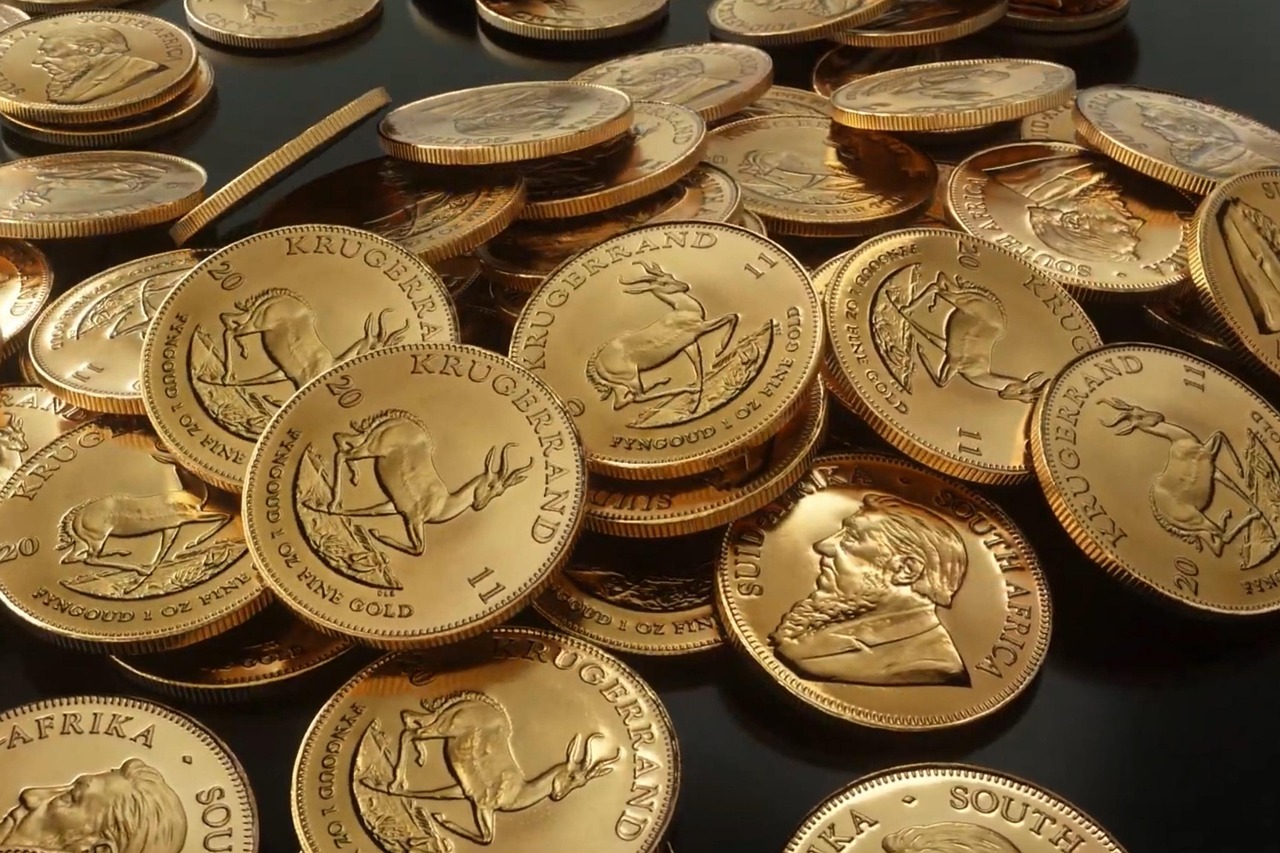
Many people bought Krugerrands years ago (often as a hedge against inflation or uncertainty) without keeping detailed proof of what they paid. When selling now—especially with gold prices high—SARS is tightening verification. Without supporting documents, you may struggle to prove your base cost (original purchase price plus allowable costs). This can lead to:
- Disputes during tax return processing or audits.
- A higher taxable capital gain (or even income tax treatment in some cases).
- Less favourable outcomes, as SARS may not accept your claimed cost without evidence.
This isn’t a new tax rule but stricter enforcement and data analytics by SARS on asset disposals.
Tax Basics on Krugerrands in South Africa
- Capital Gains Tax (CGT) usually applies to profits on sale for long-term investors. Krugerrands are not treated as personal-use assets (unlike most coins or jewellery), so gains are taxable.
- Individuals include 40% of the net capital gain in taxable income (effective max rate ~18% depending on your bracket).
- Annual exclusion: First ~R40,000–R50,000 of gains (check current figure) is exempt.
- If trading frequently, it could be treated as revenue (normal income tax at higher rates).
Base cost calculation: Sale price minus original cost (adjusted for things like fees). No proof = potential full sale amount treated as gain, or SARS using valuation date (1 Oct 2001) prices if pre-2001, which are much lower (e.g., 1oz around R2,750).
Why Documentation Matters
SARS can ask for proof of:
- Purchase invoices/receipts.
- Bank statements or transfer records.
- Dealer confirmations or platform statements.
- Any other evidence of acquisition cost and ownership.
Many bought via banks, coin dealers, family, or informally years ago and no longer have records. Reconstructing this later is hard, leading to the “surprise.”
Practical Advice
- Gather what you have now: Invoices, bank records, photos/serial numbers if applicable.
- Keep future records digitally and securely.
- Consider professional valuation or tax advice before large sales.
- Report accurately on your ITR12 (capital gains schedule).
- If audited, good records strengthen your position.
This affects individuals cashing in on high gold prices, not just big players. Illicit gold schemes exist (e.g., VAT fraud via melted Krugerrands), but this warning targets ordinary investors’ compliance.