
It developed as a commercial, residential, cultural, and religious hub for Indians who arrived as indentured labourers or later as traders, especially after the end of their contracts.
Early Context and Indian Settlement (1860s–1880s)
- Indians first arrived in significant numbers in 1860 with the arrival of indentured labourers on ships like the SS Truro to work on Natal’s sugar plantations. Many stayed after their contracts and moved into urban areas like Durban for trade and other work.
- By the early 1880s, Grey Street emerged as a key area for Indian settlement and business. The street was “hardened” (paved or improved) in 1882.
- Juma Masjid (Grey Street Mosque): This is the most significant early landmark. In 1881, merchants Aboobaker Amod (Jhavery) and Hajee Mahomed Hajee Dada bought land on Grey Street and built the first mosque in Natal (a small brick-and-mortar structure for about 48 worshippers). It was rebuilt and enlarged in 1884, with further expansions in 1903–1905 (including minarets) and later years. It remains one of the largest mosques in the Southern Hemisphere and a major architectural and cultural site.
Growth as an Indian Commercial and Cultural Hub (1890s–1930s)
- Markets: Indian market gardeners began selling produce in the area (initially around Grey Street Mosque and nearby streets) in the 1870s–1890s. The Durban Town Council tried to close the informal market but reached an agreement allowing it to continue for a nominal fee. A formal Indian Market opened in 1910 at the western end of Victoria Street (near Grey Street), evolving into the well-known Victoria Street Market (also called the Indian Market). It featured traders selling vegetables, spices, and goods.
- Grey Street and surrounding areas (Queen Street, Prince Edward Street, etc.) developed specialized trades: fashion shops on Grey Street, barbers and hardware on Queen Street, jewellers on Prince Edward Street. By 1904, there were dozens of Indian and African traders and eating stalls.
- Businesses and institutions proliferated, including restaurants (e.g., G.C. Kapitan Vegetarian Restaurant in 1912), hotels (Kapitan’s Balcony Hotel in the 1920s), schools, madrasahs, and community halls. The area attracted Muslim (especially Gujarati-speaking), Hindu, and other Indian groups.
- Political and social activity grew with the founding of the Natal Indian Congress (1894) and sites like Congress Hall. Mahatma Gandhi had connections to the area during his time in South Africa. It also hosted meetings, activism, and responses to discriminatory laws.
Under Segregation and Early Apartheid (1940s–1970s)
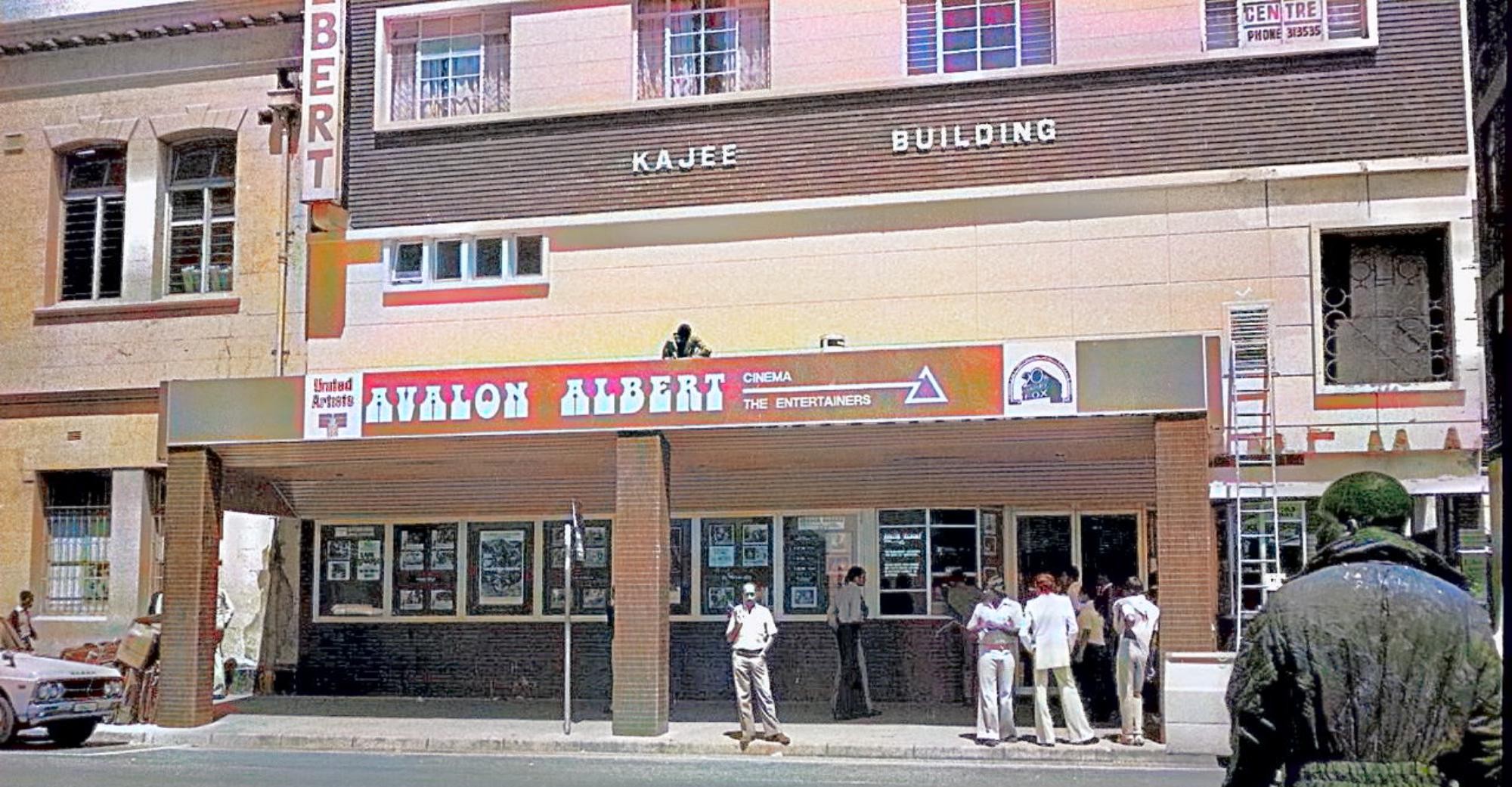
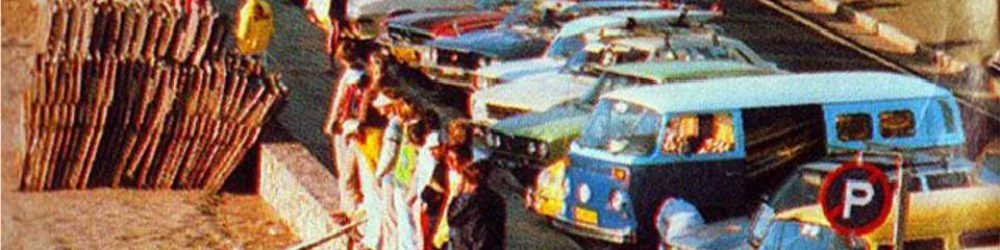
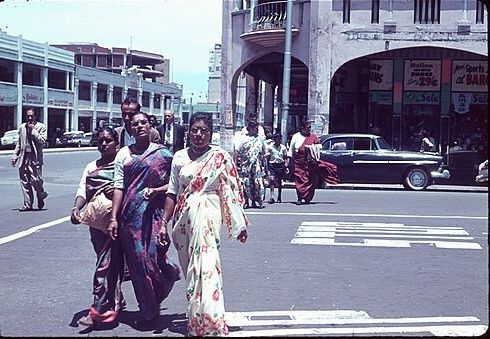
- The area, often called the “Grey Street Casbah” or “Indian Casbah,” was a dense, lively mixed-use neighbourhood with shops, residences, cinemas (e.g., Avalon, Naaz, Shah Jehan), places of worship, and markets. It symbolized Indian diasporic resilience and entrepreneurship despite restrictions.
- 1949 Durban Riots: Tensions between Indian and African communities erupted, partly sparked in the Grey Street commercial area, leading to violence and deaths (mostly Indians). This highlighted inter-community frictions amid broader racial policies.
- The 1950 Group Areas Act and related rezoning affected the area. By the late 1950s, Grey Street was proclaimed an Indian business area, allowing some continuity for Indian traders while fitting into apartheid spatial controls. Overcrowding was common in flats and shops.
- It remained a bustling commercial centre with Indian-owned stores, cultural life, and political significance (e.g., meetings at Nicol Square). Taxi wars and other issues occurred in the 1950s. Many families lived in nearby flats (e.g., Grey Court in the 1970s).
Grey Street stood out as a “city within a city” — a resilient Indian enclave in a segregated urban landscape, preserving cultural practices, businesses, and community ties from the indenture era through colonial and early apartheid restrictions.