




Key Numbers for Uganda (as of ~June 16, 2026)
- 19 confirmed cases and 2 confirmed deaths.
- 1 probable case and 1 probable death.
- Most cases are travel-related from DRC or linked to contacts; some local transmission has occurred (e.g., in Kampala and Wakiso areas).
- Several cases among health workers; contact tracing is strong (~800 contacts identified, with high follow-up rates).
No major new surges in Uganda recently (last new cases around early June). Uganda’s Ministry of Health, with support from WHO, CDC, Africa CDC, and partners, has been praised for its response, including surveillance, border screening, and community engagement.
Broader Context
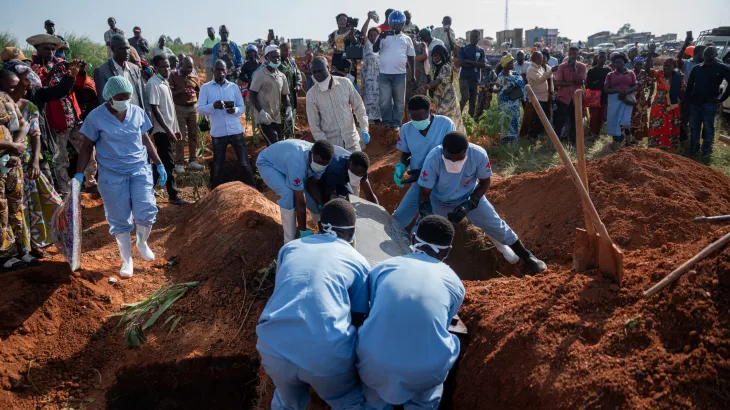
The outbreak started in Ituri Province, DRC, in May 2026 and was declared a Public Health Emergency of International Concern (PHEIC) by WHO. The DRC has seen hundreds of confirmed cases (over 800 total across the region in some reports) and significant deaths, complicated by conflict, insecurity, and challenges in contact tracing. Cases have reached Kampala (Uganda’s capital) via travel.
Bundibugyo Ebola has no approved vaccine or specific treatment (unlike some other strains), though supportive care helps and candidates are being tested. Transmission occurs through direct contact with bodily fluids of infected people or contaminated items; it is not airborne or spread by casual contact.
Response and Outlook
- Uganda: Strong emphasis on vigilance, cross-border cooperation, and no new cases in recent days/weeks in some updates. Officials are reassuring the public and sectors like aviation about mitigation measures.
- International support includes U.S. funding, border screening (IOM), and aid from WHO/UNICEF.
- Travelers to affected areas (especially DRC borders) should follow precautions, monitor symptoms for 21 days after travel, and check CDC/WHO travel notices.