
Khamenei was killed on February 28, 2026, during the early stages of escalated conflict involving U.S. and Israeli airstrikes on Iranian targets. He was 86 (or around that age). His death was part of broader strikes that also affected other senior figures and family members.
- Succession: His son, Mojtaba Khamenei, was later selected as the new Supreme Leader following an interim leadership period. The transition occurred amid the ongoing regional tensions and internal dynamics.
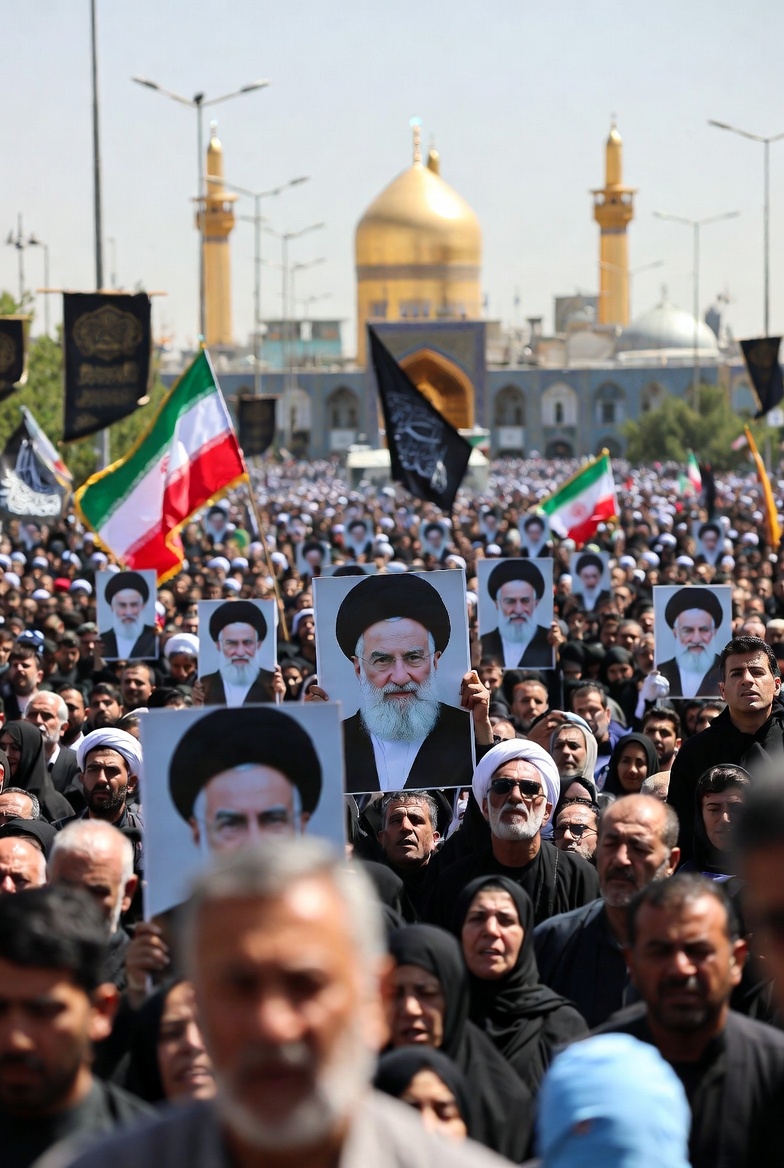
- Funeral Procession: The events unfolded over several days across multiple locations, including Tehran, Qom, and Shia shrines in Iraq (Najaf and Karbala), drawing millions of mourners overall. The final burial in Mashhad on or around July 9-10, 2026, marked the conclusion. State media and reports described massive turnouts, with expectations of over a million in Mashhad alone at points.
Mashhad holds deep symbolic importance as Khamenei’s birthplace and the site of the Imam Reza Shrine, one of Shia Islam’s holiest locations. The burial there underscores religious and political continuity for the Islamic Republic.
Scale and Reporting Nuances
Iranian authorities claimed millions participated across the multi-city events, framing it as a show of national unity and support for the regime. Independent coverage (e.g., CNN, BBC) noted significant crowds of genuine mourners but also highlighted complexities: not all Iranians are unified in grief, with some opposition or indifference reported amid economic hardships, past protests, and the recent war.
Visuals from the events show dense gatherings, portraits of Khamenei, processions, and emotional scenes. Delays occurred due to the extended Iraq leg of the procession.
Broader Implications
- Political: The funeral serves as a moment of regime consolidation post-assassination and amid war. It reinforces narratives of resilience, anti-Western/Israeli sentiment (chants of “Death to America/Israel” were reported), and Shia solidarity across borders.
- Regional: Ties to Iraq highlight cross-border Shia networks. The timing intersects with ongoing geopolitical strains involving the U.S., Israel, and Iran’s allies.
- Domestic: Large orchestrated or organic crowds can bolster legitimacy, but underlying issues like sanctions, protests (e.g., Woman, Life, Freedom movement echoes), and war impacts persist. Not all coverage portrays unanimous support.
- Edge Cases: Attendance includes diverse groups (some Sunni voices reportedly participating out of respect), but state control over media means numbers and sentiment are contested. Security was tight given the context of Khamenei’s death.