


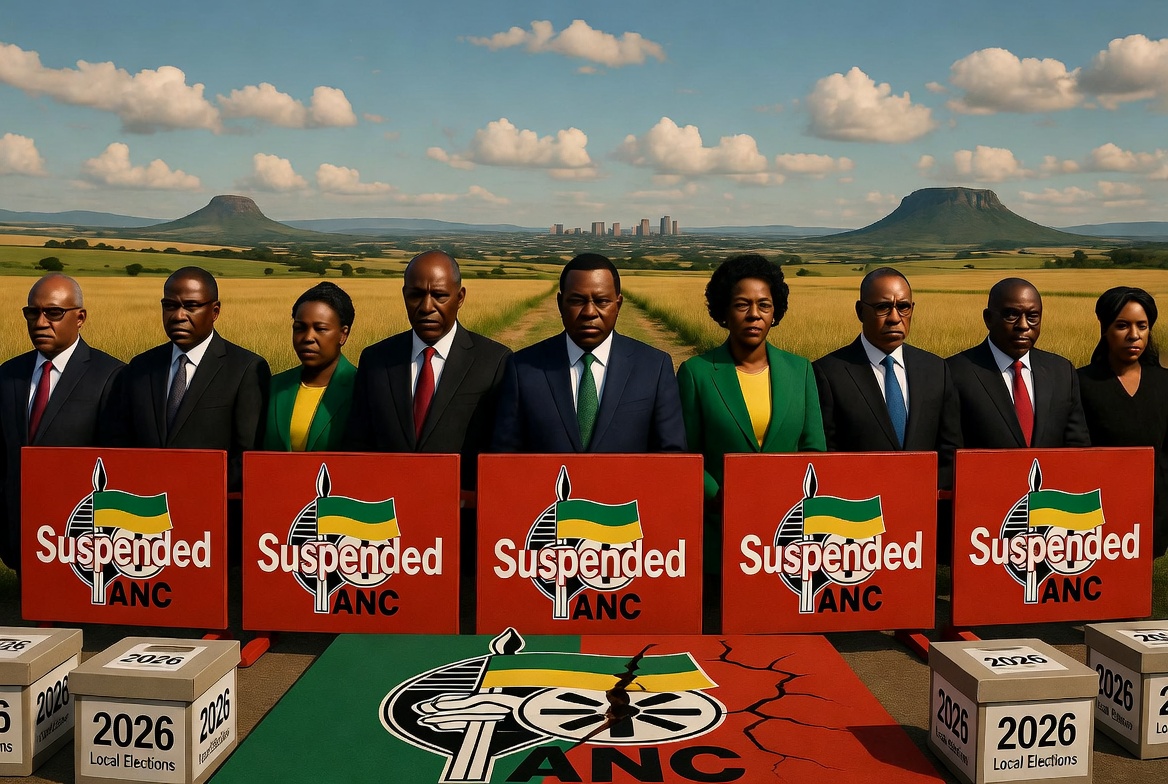
In mid-2025, the ANC’s Free State Provincial Executive Committee (PEC) decided to remove or “redeploy” mayors in several underperforming municipalities. The affected municipalities included Mafube, Moqhaka, Letsemeng, Nketoana, Nala, Masilonyana, and Lejweleputswa. Reasons cited by the party included poor leadership, persistent negative audit outcomes (such as disclaimers), service delivery failures, and allegations of corruption or mismanagement.
Many of these mayors resisted the directive to resign, leading to suspensions of their ANC membership and further disciplinary processes. Interventions by national figures, such as ANC Secretary-General Fikile Mbalula, temporarily paused or mediated some suspensions, but the underlying conflicts persisted.
As of July 2026, with the ANC accelerating its centralized mayoral candidate selection process for the 2026 elections (including public nominations and headhunting), the party has explicitly barred these seven suspended mayors from reappointment interviews. This decision comes amid “disciplinary deadlocks.”
Key Elements of the Current Situation
- Defiance and Discipline: The mayors’ refusal to step down was viewed as direct insubordination to party instructions. In ANC structures, such defiance often triggers internal processes, as loyalty to the organization is paramount. Suspending them from interviews signals the party’s intent to enforce accountability—at least internally—during a renewal drive.
- Election Timing: Local elections are approaching. The ANC is under pressure to field stronger candidates after years of coalition challenges and voter dissatisfaction in many provinces. Centralized selection aims for more rigorous vetting, including interviews, background checks, and lifestyle audits.
- Governance Impact: These municipalities have faced prolonged instability. Acting mayors or speakers often fill gaps, which can delay decisions on budgets, infrastructure, and services. Free State municipalities have historically struggled with audit outcomes and basic service delivery.
Multiple Angles and Nuances
From the ANC’s Perspective: This move demonstrates an effort at “renewal” and cleaning house. The party has publicly committed to better candidate selection for 2026, moving beyond pure branch-level deployments. Blocking suspended members prevents rewarding defiance and aims to project discipline. However, internal deadlocks highlight factionalism—common in ANC provincial structures—where loyalty networks, patronage, and local power bases complicate top-down decisions.
Critics’ and Opposition View (e.g., DA, AfriForum): Opponents argue this is too little, too late. “Redeployment” has often been criticized as a way to shuffle problematic cadres to other positions rather than holding them accountable through legal or performance processes. Residents in these municipalities have suffered from poor governance, with issues like water shortages, failing infrastructure, and financial mismanagement persisting regardless of who occupies the mayor’s office. AfriForum, for instance, has called redeployment a “smokescreen” that evades real accountability.
Practical and Legal Considerations:
- Suspended ANC members may still hold municipal positions until council votes or court interventions remove them. Some defiant mayors reportedly continued duties or challenged asset revocations.
- Disciplinary processes in the ANC can be lengthy, creating uncertainty. This affects not just the individuals but council stability.
- Broader context: South African local government faces systemic challenges—cadre deployment, skills shortages, political interference, and funding issues—that go beyond any single group of mayors.
Implications:
- For the ANC: Success in refreshing leadership could help stem voter losses in 2026. Failure risks further fragmentation or legal challenges. It also tests the effectiveness of national oversight over provinces.
- For Residents: Prolonged uncertainty harms service delivery. Free State has some of the country’s weaker municipal performances; stability and competent leadership are critical for basics like electricity, water, and roads.
- For Politics: This exemplifies tensions between central party control and local autonomy. It also reflects the ANC’s broader post-2024 national coalition reality, where performance matters more for retaining power.
- Edge Cases: If disciplinary hearings clear some mayors, or if courts intervene, outcomes could shift. Public nominations in the ANC’s process might introduce outsiders, diluting internal factions.
This episode fits a pattern in South African politics where party discipline clashes with entrenched interests. While the ANC is acting to finalize selections, the human and governance costs in affected towns remain significant. For the most up-to-date details, checking sources like News24 or official ANC statements is advisable, as developments can move quickly.