




AARTO (Administrative Adjudication of Road Traffic Offences) is South Africa’s long-delayed national system for handling traffic fines and introducing a demerit points system. It shifts many traffic infringements from the criminal justice system (courts under the Criminal Procedure Act) to an administrative process managed by the Road Traffic Infringement Agency (RTIA).
This aims to reduce court backlogs, improve road safety through deterrence, and enforce penalties more efficiently. As of mid-2026, rollout is phased, with recent expansions and ongoing debates/legal friction.
Current Status and Rollout Phases (as of July 2026)
AARTO is being implemented in stages:
- Phase 1: Infrastructure and eNaTIS integration — completed.
- Phase 2: Administrative fine framework (no demerits yet) in additional municipalities. On 29 June 2026, proclamations added 62 municipalities (e.g., Ekurhuleni, Durban/eThekwini, Nelson Mandela Bay, Mangaung, Buffalo City). Johannesburg and Tshwane were already partially under AARTO. This went live around 1 July 2026 after a court challenge was dismissed.
- Phase 3: Broader rollout to more municipalities (expected later 2026).
- Phase 4: Full national demerit points system (anticipated September 2026 or later into 2027; dates have shifted before).
Note: Not all areas are covered yet (e.g., Western Cape largely excluded in early phases). In non-AARTO areas, the old criminal system still applies, potentially leading to dual systems temporarily.
How Traffic Fines Work Under AARTO
Fines follow a structured, automated timeline emphasizing early payment:
- Infringement Notice — Issued on the spot, electronically, or by registered mail. Pay within 32 days for a 50% discount.
- Courtesy Letter — If unpaid after 32 days: Discount lost + R60 admin fee.
- Enforcement Order — After another 32 days: Additional R60 fee. You’re blocked on the eNaTIS system — cannot renew vehicle licence disc, driver’s licence, or register vehicles until resolved.
Key implications:
- Unpaid fines escalate quickly and affect vehicle/licence renewals.
- You can nominate a driver (for vehicle-owner fines), appeal, or request a court trial (though this may forgo discounts).
- Existing pre-AARTO fines generally do not attract demerits but must still be paid.
- Scams are rising — verify official notices.
Examples of fines and (future) demerit points (from AARTO regulations/Schedule 3; actual amounts/points subject to updates):
- Failing to stop behind the line at a stop street: ~R1,500 + 2 points.
- Skipping a red light (light vehicles): ~R1,500–R2,000 + 2–3 points.
- Inconsiderate driving: ~R1,000 + 0–1 point.
- Speeding (e.g., significantly over limit): Higher fines + up to 6 points (some remain criminal offences).
- Unlicensed driving, reckless driving, DUI: Criminal offences + up to 6 points.
Points apply to the driver (natural person) or operator (e.g., fleet/companies).
Demerit Points System (Not Fully Live Yet)
Drivers start at 0 points. Points accumulate on the National Contraventions Register when you:
- Pay the fine (or part-pay/instalments).
- Are found guilty in court.
- Ignore an enforcement order.
Mechanics:
- Threshold: 15 points (some sources reference effective disqualification starting above 12 in calculations).
- Exceeding the limit: Licence suspended for 3 months per point over the threshold (e.g., 17 points = 6-month suspension).
- Maximum two suspensions allowed. On the third excess, permanent cancellation — reapply from learner’s licence after ban period.
- Points reduce by 1 every 3 months of offence-free driving.
- Operator cards (for vehicles/fleets) have similar rules; exceeding limits can suspend vehicle use.
Driver Rehabilitation Programme: Available only after cancellation (for “habitual infringers”). It may reduce points by 4 but details on content, cost, and timing remain limited/undefined in public info.
Nuances and Edge Cases:
- Fleet/employer implications: Companies must manage driver risks; points can affect operator cards and business operations.
- Insurance: Repeat offences/demerits could raise premiums (insurers monitor records).
- Appeals/Nominations: Timelines are strict; missing them locks in penalties.
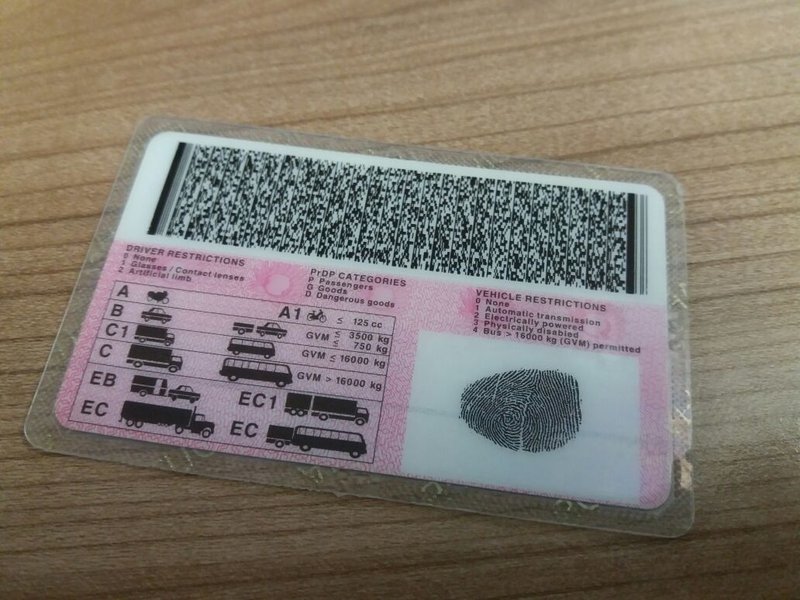
- Smart licence cards: Phasing in, tied to the system.
- Regional variations: Rollout is uneven, so check your municipality.
Legal Battles and Controversies Surrounding the Rollout
AARTO has faced over two decades of delays, challenges, and criticism:
- Constitutional Challenges: OUTA (Organisation Undoing Tax Abuse) challenged the Act/Amendment in courts. The Constitutional Court ultimately upheld its validity in 2023, ruling it constitutional.
- Recent SALGA Challenge (2026): The South African Local Government Association sought to interdict Phase 2, citing inadequate consultation, unsustainable funding models for municipalities, fiscal burdens, and diversion of resources from service delivery. The North Gauteng High Court dismissed the interdict on 30 June 2026, allowing rollout to proceed. SALGA expressed disappointment and indicated further legal steps on core issues.
- Other Concerns: Readiness (training, systems, back-office capacity), potential for appeals overload, impacts on freight/logistics, and whether it truly improves safety vs. revenue collection. Critics like OUTA highlighted ongoing uncertainties.
Broader Context: Road fatalities remain high in South Africa. Proponents argue AARTO promotes accountability and safer habits. Opponents worry about implementation flaws, financial strain on local government, and overreach. Municipalities in constrained budgets fear added administrative costs without adequate support.
Practical Advice for Motorists
- Check Fines Regularly: Use official portals (e.g., aarto.co.za, RTIA, or partners like Fines SA) or eNaTIS.
- Pay Early: Secure the 50% discount and avoid escalations/blocks.
- Drive Defensively: With demerits looming, minor repeated infractions add up.
- Stay Informed: Dates shift; monitor RTIA, Department of Transport, or reliable news for your area.
- Fleet/Business: Implement tracking, training, and compliance tools.
- Appeals/Court: Understand rights but weigh costs of fighting vs. paying discounted fine.
- Legal/Professional Help: For complex cases (e.g., nominations, suspensions), consult a traffic attorney.
AARTO represents a major shift toward individual accountability in road safety, but its success depends on fair, efficient execution amid fiscal and logistical challenges. The system is evolving — preparation and compliance are key to avoiding escalating penalties or licence issues