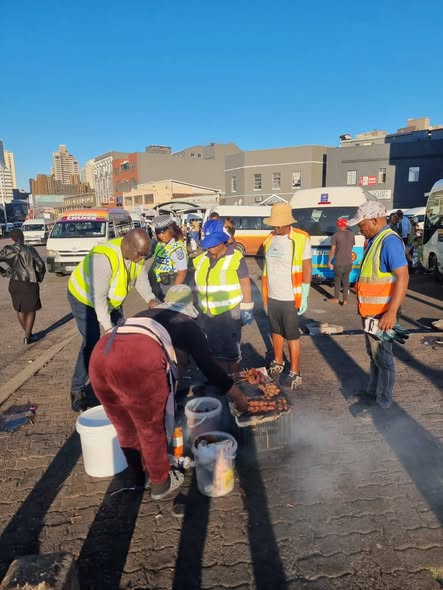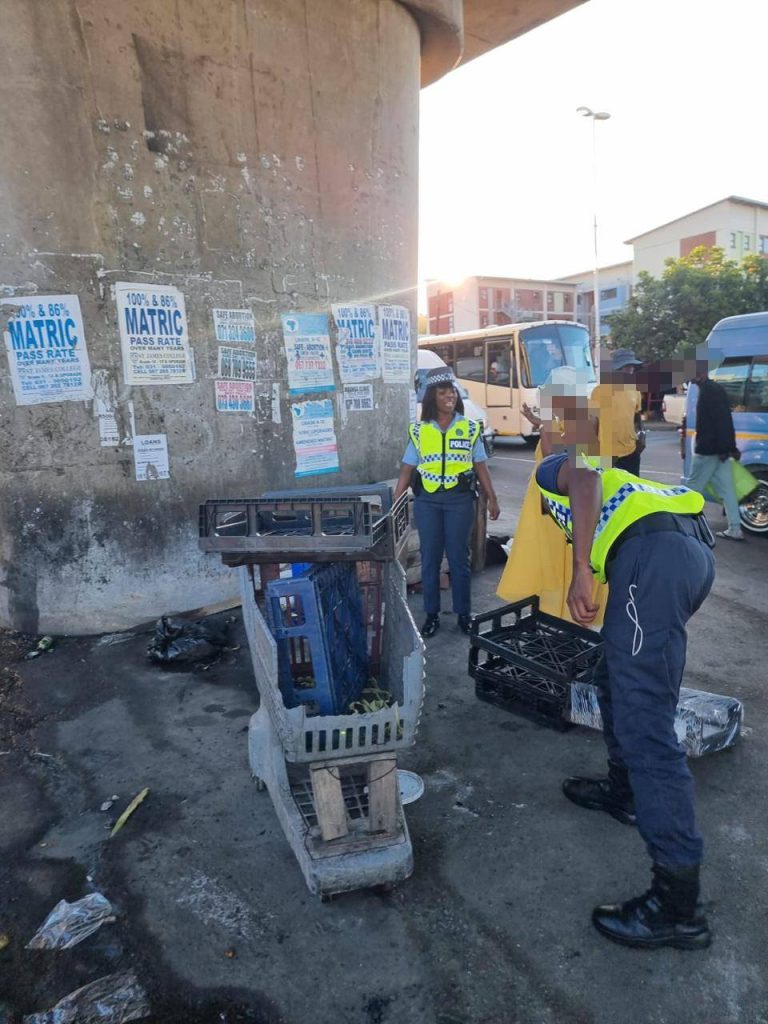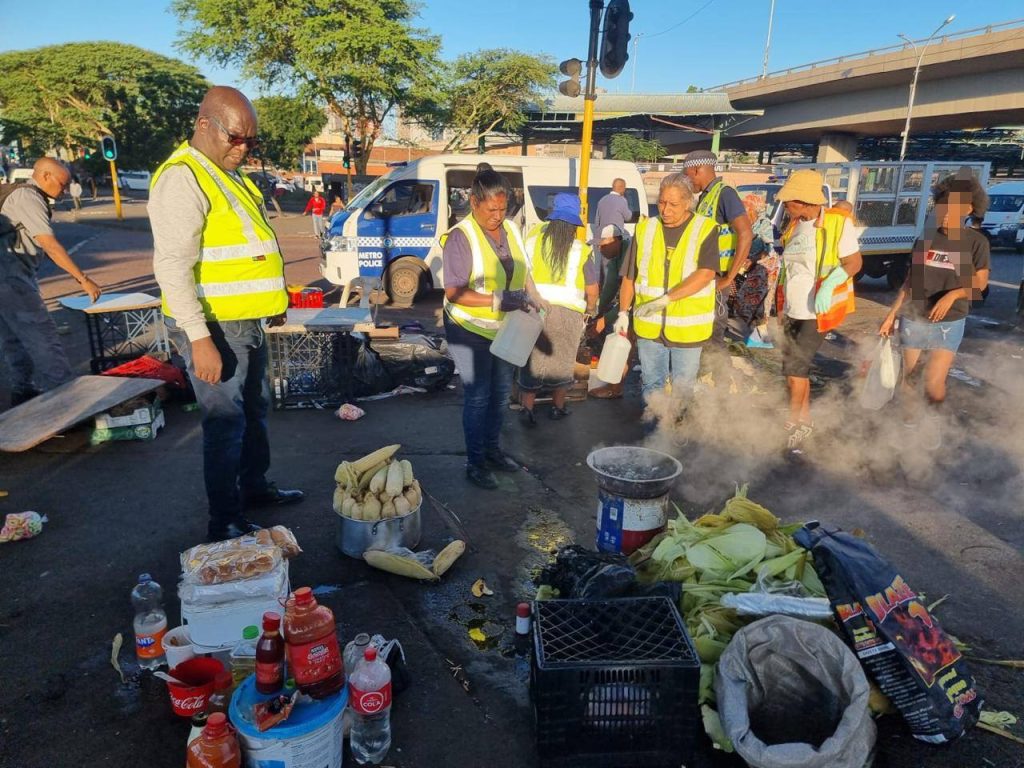


Metro police crack down on braai stands
In Durban (eThekwini Municipality, KwaZulu-Natal), “braai stands” typically refer to street-side setups where people sell braaied (barbecued) meat or food informally. Recent enforcement actions by the Durban Metro Police (By-law Enforcement Unit) target unauthorised ones, especially on streets like Russell Street.
Why Enforcement Happens
Metro Police remove and confiscate unauthorised braai stands because they operate in contravention of municipal by-laws. Key reasons include:
- Obstruction of public spaces (pavements, roads).
- Public safety risks (open fires, traffic hazards, hygiene concerns).
- Lack of permits for informal trading or food handling.
Operations aim to ensure compliance, reduce nuisances, and prevent damage to public property (e.g., using litter bins as makeshift braais). Public reactions are mixed: some support stricter health/safety rules (comparing to restaurant standards), while others see it as hindering honest livelihoods amid high crime priorities.
Relevant eThekwini By-laws
Street braai stands fall under informal/street trading rules, as they involve selling goods/services in public roads or places.
- Informal Trading By-law, 2014 (and amendments): Requires a trading permit for street trading (selling food like braaied meat). Trading without one is an offence. The municipality designates specific areas/sites for informal trading and can restrict/prohibit it in others to control nuisances, safety, and health. Trading hours are generally 05:00–22:00 (or as stipulated). Food traders likely need additional health compliance (e.g., certificate of acceptability for food premises/handling).
- Nuisances and Behaviour in Public Places By-law, 2015: Prohibits causing a nuisance in public places. Specifically bans starting or keeping a fire except for a braai in a permitted area (or with municipal authorisation). Also prohibits erecting/assembling any “structure, including … stand …” without approval. No one may use land/premises in a way that creates a nuisance.
Other potential overlaps include fire safety rules, street obstruction, and general public health/hygiene regulations. Private backyard or home braais have fewer restrictions (often treated as minor building work—no full plans needed, but notify the council in writing and avoid nuisance to neighbours). Built-in braais with chimneys may need inspections/permits in some contexts, but this doesn’t apply to portable street stands.
How to Operate Legally
- Apply for an informal trading permit through eThekwini Municipality (check for designated stalls/sites—applications sometimes open for hundreds of spots across the metro).
- Ensure compliance with health/hygiene standards for food preparation/sale.
- Set up only in approved areas (not obstructing pavements/roads or creating fire/safety hazards).
- Follow any designated trading hours and conditions.
The municipality periodically invites applications for formal informal trading stalls/kiosks. Contact eThekwini Municipality’s informal trade or economic development department for current processes, fees, and available sites.
Private vs. Public Braais (Quick Note)
- Private homes/estates: Check body corporate/estate rules for smoke nuisance (common issue in sectional title schemes). Minor freestanding braais usually don’t need plans but inform the local authority.
- Public beaches/parks: Braais often restricted to designated areas; fully extinguish fires and dispose of ashes properly (not in street bins).