



The Phala Phala issue stems from the February 2020 theft of a large sum of foreign currency (reported figures around $580,000 / roughly R9–10 million) from Ramaphosa’s Limpopo game farm. An independent Section 89 panel (chaired by former Chief Justice Sandile Ngcobo, with retired Justice Thokozile Masipa and advocate Mahlape Sello) found prima facie evidence that the President may have committed serious violations of the Constitution, his oath of office, and anti-corruption laws in how the matter was handled.
In December 2022 the National Assembly voted not to refer the report to an impeachment committee. The EFF and ATM successfully challenged this in the Constitutional Court. In its May 2026 judgment the ConCourt set aside the relevant National Assembly rule (and the vote) as inconsistent with the Constitution and directed that the report be referred to an impeachment committee.
Parliament established a multi-party Section 89 committee (around 31 members) chaired by Rise Mzansi MP Makashule Gana. Ramaphosa then launched a High Court review application seeking to set aside the panel report (set down for 2–4 September 2026) and, in June 2026, an urgent interdict application to halt the committee’s work pending that review, arguing irreparable harm and prejudice from a public process based on a report still under challenge.
The interdict
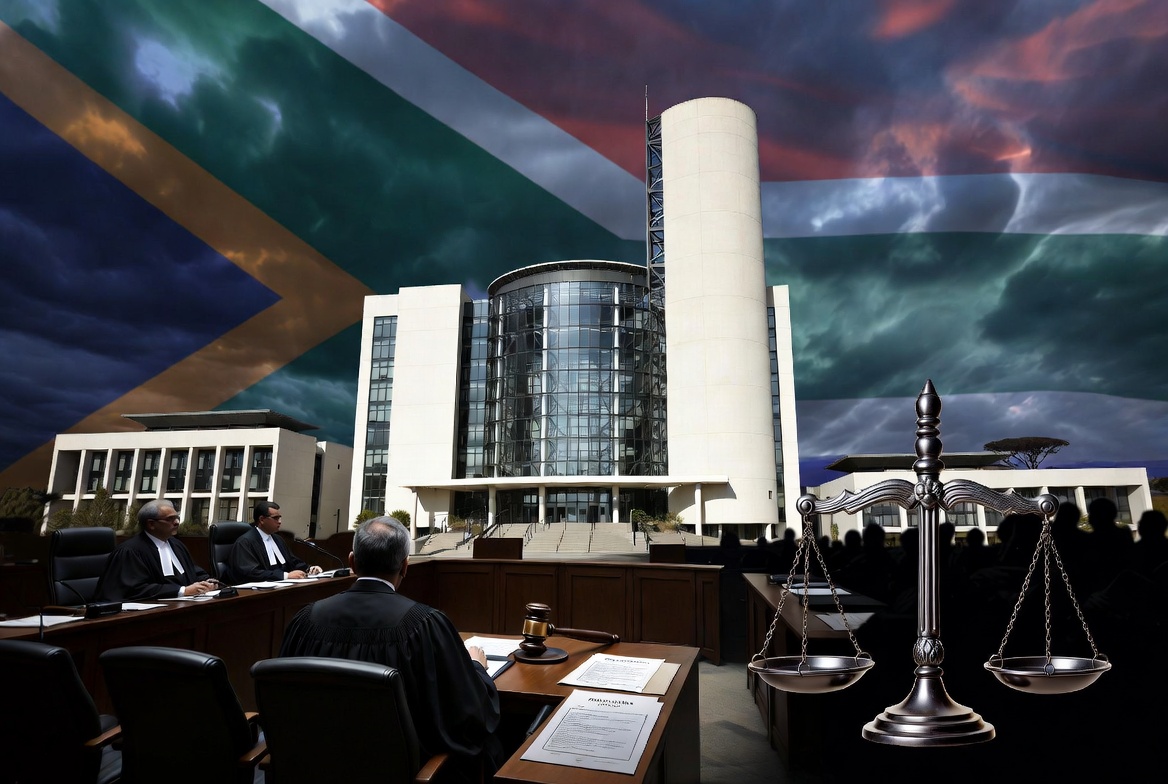
On 24 July 2026 a full bench of the Western Cape High Court (Judges André le Grange, Matthew Francis and Diane Davis) granted an interim interdict by majority (2–1). It interdicted the Speaker and the committee chair from proceeding with public impeachment hearings pending determination of the review. One judge would have dismissed the application. The order is of limited duration tied to the review. Costs were stood over.
During earlier argument the committee (via counsel) had contended that only the Constitutional Court could stay its own order and that a High Court interdict would undermine the ConCourt judgment and principles of finality/stare decisis.
Appeals and current status
- ATM leader/MP Vuyo Zungula promptly sought urgent direct access to the Constitutional Court to challenge the interdict, arguing it has final effect on parliamentary processes, delays implementation of the ConCourt’s earlier directive, raises separation-of-powers and supremacy-of-the-Constitution issues, and citing precedent such as the OUTA e-toll interdict case.
- The EFF has joined, seeking recognition as a co-applicant. It argues the panel report remains valid and operative (absent a finding of unlawfulness), that the High Court order has brought the committee’s work to a halt, that Ramaphosa has poor prospects on the review, and that the committee must continue.
- Committee chair Gana has indicated the order is limited to public hearings; preparatory/administrative work (terms of reference, evidence leaders, etc.) continues. A committee meeting was scheduled around 29 July 2026 to address implications.
The Presidency has said Ramaphosa respects the judicial process and will cooperate with lawful accountability mechanisms. Legal analysts have long noted the potential for successive appeals to prolong matters well into or beyond Ramaphosa’s term.
Key implications and nuances
This is a classic tension between executive accountability (Section 89 processes flowing from a ConCourt order) and the right to challenge underlying findings before irreversible public proceedings. The High Court majority prioritised interim protection against potential prejudice; the minority and opposing parties emphasise that lower courts should not effectively suspend apex-court directives and that the report must be treated as valid until set aside. Direct access to the ConCourt is exceptional and requires the interests of justice, but the constitutional stakes (parliamentary processes, separation of powers, finality of ConCourt orders) give the application a plausible path.
The review of the panel report remains scheduled for early September 2026 in the High Court. Any ConCourt decision on the interdict appeal, or further litigation around the review, could further shape the timeline. Outcomes remain uncertain and fact- and law-dependent; successive court processes have already stretched the original 2022 panel findings across years.
This remains a live, fast-moving legal and political matter as of late July 2026. Primary sources for the latest filings and any ConCourt directions would be the parties’ papers or official court communications.