




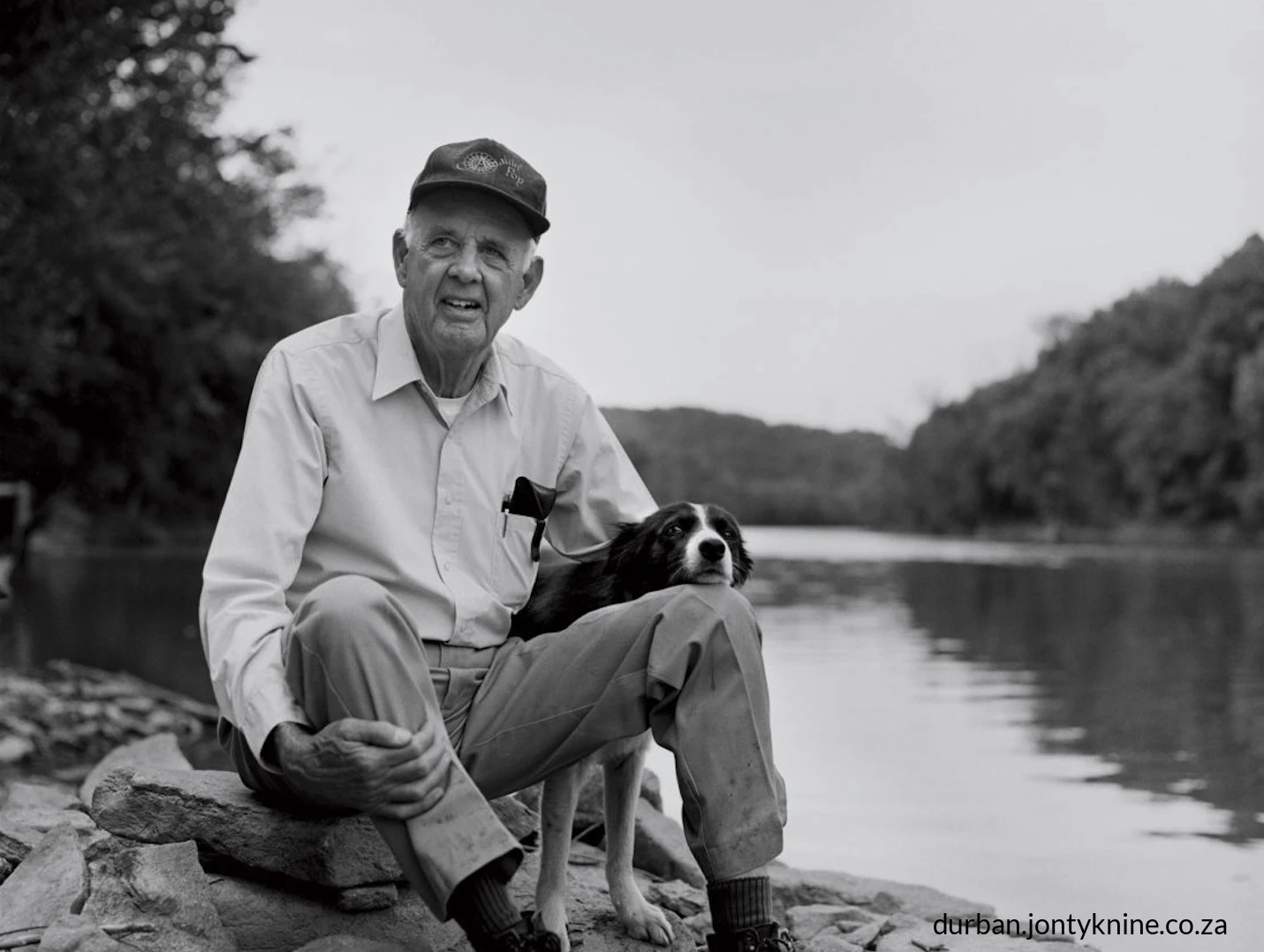
Wendell Berry (rip)

American writer, poet, essayist, novelist, farmer, and cultural critic born in 1934 in Henry County, Kentucky. Core identity and work Berry is best known for his lifelong defense of agrarian life, local economies, good work, and the proper relationship between people and the land. He has lived and farmed on a small hillside farm in Port Royal, Kentucky (near the Kentucky River) for most of his adult life. That lived experience is the foundation of almost everything he writes. His body of work is large and spans genres: Essays — the heart of his public reputation. Collections such as The Unsettling of America (1977), The Gift of Good Land, What Are People For?, Sex, Economy, Freedom & Community, Citizenship Papers, The Way of Ignorance, and later volumes critique industrial agriculture, centralized power, consumer culture, and the erosion of community and skilled work. Poetry — quiet, clear, often meditative poems rooted in place, marriage, work, and the seasons. Notable books include The Country of Marriage, A Part, Sabbaths, and This Day. Fiction — the interconnected Port William stories (novels and short stories) that form a fictional community in rural Kentucky. Key works: The Memory of Old Jack, Jayber Crow, Hannah Coulter, A Place on Earth, and the short-story collections The Wild Birds, Fidelity, etc. These stories explore memory, membership, loss, and the moral economy of a small place across generations. Central themes Berry repeatedly returns to a handful of interlocking ideas: Membership — the idea that people belong to places, communities, and one another in ways that industrial society systematically undermines. The land as a living community — not a resource to be extracted but a membership that includes soil, water, plants, animals, and people. Limits and scale — distrust of solutions that ignore local knowledge, human scale, and ecological limits. He is skeptical of both large corporations and large governments when they abstract people from place. Work as a form of love and attention — good farming, good craftsmanship, and good writing as disciplined acts of care. Marriage and household — the household (not the individual consumer or the corporation) as the basic economic and moral unit. Peace and nonviolence — consistent opposition to war and to the violence inherent in treating people and land as disposable. He is often described as a conservative in the older sense (conserving soil, community, culture, and restraint) while remaining sharply critical of modern industrial capitalism, agribusiness, and the national security state. He does not fit neatly into contemporary left/right categories. Notable positions and influence Early and consistent critic of industrial agriculture and the “unsettling” of rural America. Advocate for organic methods, crop rotation, animal husbandry scaled to the land, and local food systems long before these ideas became fashionable. Public opponent of the Vietnam War, the Iraq wars, and the broader militarization of American life. Supporter of Amish and other communities that deliberately limit technology and maintain local economies. Influence on the local-food movement, New Agrarianism, and writers such as Wes Jackson, Gene Logsdon, and many contemporary farmers and essayists. Berry has received numerous honors (including the National Humanities Medal) but has generally avoided the celebrity literary circuit, preferring to stay on the farm and write. If you want to start reading Essays: The Unsettling of America or the selected essays in The World-Ending Fire (edited by Paul Kingsnorth). Fiction: Jayber Crow or Hannah Coulter. Poetry: any of the Sabbaths sequences or The Selected Poems of Wendell Berry. Would you like recommendations tailored to a particular interest (farming, poetry, the Port William stories, his political/economic thought, etc.), quotes, or something more specific about his life and work?

0
(0)

American writer, poet, essayist, novelist, farmer, and cultural critic born in 1934 in Henry County, Kentucky.

Core identity and work

Berry is best known for his lifelong defense of agrarian life, local economies, good work, and the proper relationship between people and the land. He has lived and farmed on a small hillside farm in Port Royal, Kentucky (near the Kentucky River) for most of his adult life. That lived experience is the foundation of almost everything he writes.

His body of work is large and spans genres:

  • Essays — the heart of his public reputation. Collections such as The Unsettling of America (1977), The Gift of Good Land, What Are People For?, Sex, Economy, Freedom & Community, Citizenship Papers, The Way of Ignorance, and later volumes critique industrial agriculture, centralized power, consumer culture, and the erosion of community and skilled work.
  • Poetry — quiet, clear, often meditative poems rooted in place, marriage, work, and the seasons. Notable books include The Country of Marriage, A Part, Sabbaths, and This Day.
  • Fiction — the interconnected Port William stories (novels and short stories) that form a fictional community in rural Kentucky. Key works: The Memory of Old Jack, Jayber Crow, Hannah Coulter, A Place on Earth, and the short-story collections The Wild Birds, Fidelity, etc. These stories explore memory, membership, loss, and the moral economy of a small place across generations.

Central themes

Berry repeatedly returns to a handful of interlocking ideas:

  • Membership — the idea that people belong to places, communities, and one another in ways that industrial society systematically undermines.
  • The land as a living community — not a resource to be extracted but a membership that includes soil, water, plants, animals, and people.
  • Limits and scale — distrust of solutions that ignore local knowledge, human scale, and ecological limits. He is skeptical of both large corporations and large governments when they abstract people from place.
  • Work as a form of love and attention — good farming, good craftsmanship, and good writing as disciplined acts of care.
  • Marriage and household — the household (not the individual consumer or the corporation) as the basic economic and moral unit.
  • Peace and nonviolence — consistent opposition to war and to the violence inherent in treating people and land as disposable.

He is often described as a conservative in the older sense (conserving soil, community, culture, and restraint) while remaining sharply critical of modern industrial capitalism, agribusiness, and the national security state. He does not fit neatly into contemporary left/right categories.

Notable positions and influence

  • Early and consistent critic of industrial agriculture and the “unsettling” of rural America.
  • Advocate for organic methods, crop rotation, animal husbandry scaled to the land, and local food systems long before these ideas became fashionable.
  • Public opponent of the Vietnam War, the Iraq wars, and the broader militarization of American life.
  • Supporter of Amish and other communities that deliberately limit technology and maintain local economies.
  • Influence on the local-food movement, New Agrarianism, and writers such as Wes Jackson, Gene Logsdon, and many contemporary farmers and essayists.

Berry has received numerous honors (including the National Humanities Medal) but has generally avoided the celebrity literary circuit, preferring to stay on the farm and write.

If you want to start reading

  • Essays: The Unsettling of America or the selected essays in The World-Ending Fire (edited by Paul Kingsnorth).
  • Fiction: Jayber Crow or Hannah Coulter.
  • Poetry: any of the Sabbaths sequences or The Selected Poems of Wendell Berry.

Would you like recommendations tailored to a particular interest (farming, poetry, the Port William stories, his political/economic thought, etc.), quotes, or something more specific about his life and work?

How was this post?

Click on a star to rate it!

Average rating 0 / 5. Vote count: 0

No votes so far! Be the first to rate this post.

As you found this post useful...

Share on social media!

Leave a Reply