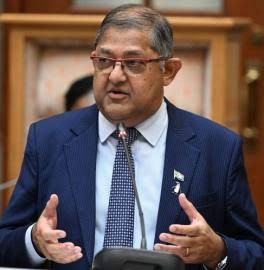

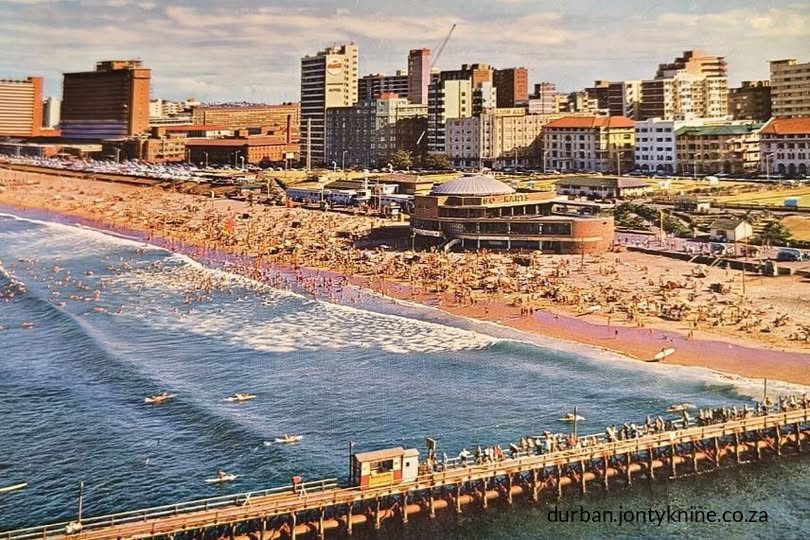
showing early momentum—as a rising coastal tourism and investment hub in Africa, backed by recent international rankings, multi-billion-rand projects, tourism growth metrics, and expert commentary. The specific phrasing in the query closely matches a 2 September 2026 Daily News article in which tourism and destination-development advocate Brian Mpono argued that the city has the climate, culture, accessibility, people, and natural beauty to become one of Africa’s leading coastal destinations (and potentially one of the world’s most desirable ones). He stressed that success hinges on effectively integrating hospitality, entertainment, retail, and residential developments to attract visitors and capital.
Mpono, a prominent hospitality figure linked to major Umhlanga mixed-use projects (including Oceans Umhlanga), has previously advocated for treating tourism as economic infrastructure rather than pure marketing—emphasizing integrated precincts, technology, longer stays, and investment ecosystems.
Supporting Evidence and Momentum
Several concrete developments and indicators in 2025–2026 align with this outlook:
- Global recognition and visitor growth: Durban ranked 14th on Time Out’s Best Places to Travel in 2026 list. Festive-season visitors reached around 1.2 million (up ~19% year-on-year in some reports), with direct tourism spend rising from R2.2 billion to R2.7 billion (about 24% growth). International arrivals and occupancy (e.g., ~77% in key periods) have supported the narrative of recovery past pre-COVID levels. Local leaders, including Mayor Cyril Xaba, have framed this as confirmation of Durban’s status as “Africa’s playground” and a premier investment destination.
- Major tourism and hospitality investments:
- Club Med South Africa Beach & Safari (Tinley Manor, North Coast, ~R2–2.1 billion): South Africa’s first Club Med resort opened in July 2026. The large-scale all-inclusive property (hundreds of rooms/suites, multiple facilities) pairs beach access with safari options and is viewed as a catalyst for international (especially European) visitors and further North Coast development.
- Southern Sun / beachfront hotel upgrades: A R1 billion, 50-year lease agreement is funding revitalization of key Golden Mile properties, aiming to restore appeal and signal long-term private-sector confidence.
- Amusement park on the beachfront: Plans for a ~R1 billion world-class park (with Italian engineering partners linked to major global theme parks), targeted for 2027 on a prominent site, are expected to create hundreds of construction and permanent jobs while enhancing day-and-night appeal.
- Marine and high-end coastal positioning: eThekwini secured commitments exceeding R1.9 billion for Africa’s first dedicated superyacht industry hub (infrastructure, refit facilities). Projections include over 2,500 direct jobs by 2030 in marine engineering, manufacturing, and related tourism, plus plans for a specialized academy. The city has hosted or attracted related international events and interest from captains and manufacturers. This supports broader KZN coastal tourism spillover.
- Waterfront and urban regeneration: The long-discussed Durban Point Waterfront (mixed-use residential, retail, offices, leisure, medical/academic components; historical valuations in the R30–35 billion range) has seen renewed momentum, with construction targeted to begin by the end of 2026 on key parcels (including a planned high-rise). Officials cite inspiration from Cape Town’s V&A and Dubai-style waterfronts. Progress has been uneven historically due to delays, funding, and infrastructure challenges (e.g., sewerage issues), but recent statements emphasize readiness and private-sector partnerships.
- Broader investment narrative: Invest Durban and city officials highlight administrative stability, investment-grade aspects, port improvements (Durban ranked as the world’s most improved container port in some 2025 assessments after prior challenges), and catalytic projects. Events such as Africa’s Travel Indaba (secured for multiple years in Durban) reinforce its role as a tourism trade and MICE (meetings, incentives, conferences, exhibitions) hub. North Coast property and lifestyle developments (Sibaya, Ballito corridor, etc.) continue to attract residential and commercial capital.
Context, Nuances, and Challenges
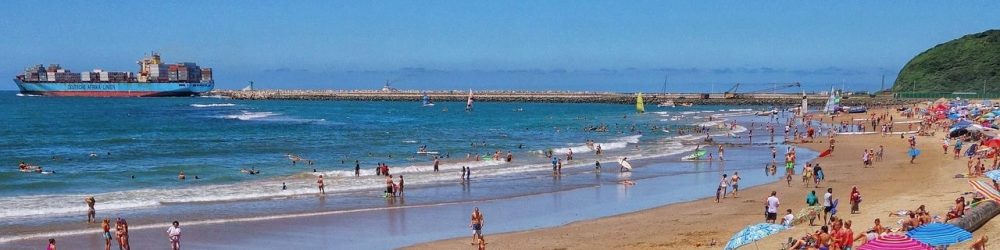
Durban’s coastal assets are genuine: warm Indian Ocean beaches (Golden Mile and beyond), subtropical climate, rich cultural mix (Zulu, Indian, colonial influences), proximity to wildlife/safari options, a major port and international airport (King Shaka), and improving event infrastructure. These differentiate it from many African coastal peers and position it as a potential gateway combining leisure, business, and marine economies.
However, the “tipped to emerge” framing reflects aspiration and early traction rather than completed dominance. Historical headwinds include urban decline in parts of the inner city, safety perceptions (though beachfront policing initiatives have been strengthened), infrastructure backlogs (sewerage, port efficiency historically), delayed megaprojects, and competition from established African destinations (e.g., Cape Town, certain East African or North African coasts) plus global ones. Realizing the vision requires sustained execution on integration of developments, safety, service quality, skills development, and packaging of assets for international markets—precisely the points Mpono and others emphasize.
Broader implications include job creation (thousands projected across projects), local economic multipliers (retail, hospitality, manufacturing), potential for higher-value tourism (superyachts, luxury resorts, longer stays), and spillover benefits along the KZN coastline. Success would also strengthen South Africa’s overall tourism competitiveness and foreign direct investment narrative on the continent. Risks include delivery shortfalls on large projects, macroeconomic or political factors, climate/weather vulnerabilities, and the need to convert rankings and announcements into consistent visitor and investor growth.
In summary, the claim is grounded in current expert commentary and a cluster of tangible investments, rankings, and performance data from 2025–2026. Durban is in an active phase of repositioning as a multifaceted coastal destination, with clear potential if integration and execution continue. Ongoing monitoring of project delivery (waterfront start, amusement park, superyacht facilities) and tourism metrics will determine how fully that potential is realized.