




It is a Bus Rapid Transit (BRT)-style system intended to create safer, more reliable, and accessible public transport through dedicated corridors, stations, and integration with other modes (including feeders involving taxi and bus operators). Planning and approvals date back over a decade (council approval around 2012; earlier roots noted in some reports), with major infrastructure investment since then.
Costs, Delays, and Current Status
- Spending to date: Approximately R9–9.7 billion (some reports approach R10 billion), primarily via the national Public Transport Network Grant (PTNG). This has covered infrastructure (stations, depots, systems), professional services, land, and related work. Job and enterprise development claims include tens of thousands of opportunities and substantial subcontracting/enterprise spend.
- Operational progress: No full scheduled services for years. Stations and infrastructure have stood idle or incomplete in places, with ongoing ratepayer-funded costs for security, cleaning, and maintenance (reported around R2.3 million monthly in some critiques). Buses procured earlier faced deterioration issues in storage.
- Key bottlenecks: Prolonged negotiations with the minibus taxi industry (compensation, ownership models, route impacts, and Vehicle Operating Companies/VOCs); inconsistent national funding; revised implementation strategies (shifting from original full vision to more affordable, corridor-focused approaches); and broader municipal challenges. National Treasury previously withheld or threatened cuts (e.g., hundreds of millions from PTNG and other grants) due to underperformance and non-compliance, with further PTNG reductions flagged over multi-year periods as funds shifted toward priorities like passenger rail.
- Recent developments (early September 2026): eThekwini Mayor Cyril Xaba announced agreement with public transport operators on key principles (fleet ownership, contracts, compensation, employment, and value-chain opportunities). The city will procure 22 buses for the main route; operators handle feeders via VOCs. A three-year stop-gap contract is planned, followed by a longer negotiated one. Soft launch/contract signing targeted for Transport Month (October), testing thereafter, and first public service on the C3 Corridor (Bridge City to Pinetown) in December 2026. Further expansion (e.g., toward uMhlanga, Cornubia, King Shaka International Airport, or CBD) remains longer-term.
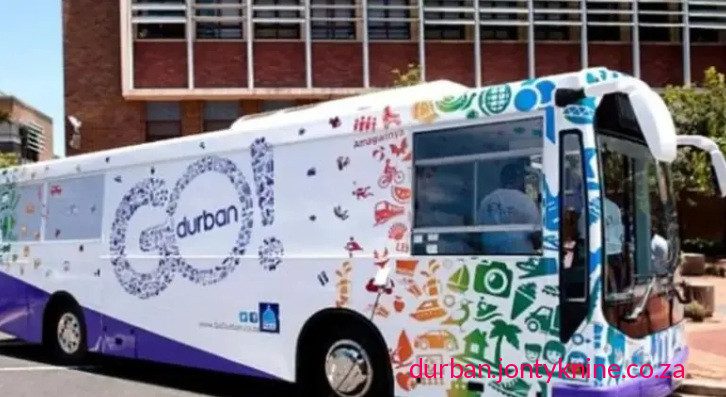
Critics (including DA, ActionSA, and other councillors) have labelled it a “white elephant,” “Gone! Durban,” or similar, arguing that ratepayers have funded empty infrastructure with little public benefit while basic services (water losses, potholes, electricity, sanitation) suffer. They have called for forensic audits, halted further spending pending clear plans and value-for-money analysis, and questioned successive strategy revisions and consultant spend. Proponents highlight the infrastructure already built, economic empowerment outcomes, and the necessity of operator buy-in for sustainability in a taxi-dominated system.
Funding pressures have shifted more burden toward municipal rates (already allocating a percentage to public transport, with discussion of additional support for early operational shortfalls). This occurs against a backdrop of eThekwini’s broader fiscal strains, including high debtors books, water losses, infrastructure backlogs, and debates over tariffs and the rates base.
Political Context Before the November Poll
Local elections are set for 4 November 2026. Polling has shown strong support for the MK Party in eThekwini (Ipsos figures around 55% among those expressing a preference in some surveys; other polls lower but still leading), with the DA, ANC, IFP, and others competing. The ANC currently leads a coalition arrangement. Service delivery failures (water, roads, billing, transport) feature heavily in campaigning and public frustration.
The timing of the December launch announcement—shortly before the election and after years of delays—has fuelled perceptions of a high-stakes push or “gamble” to demonstrate progress. Opposition voices frame continued investment and ratepayer exposure as risky or mismanaged, especially if the scaled-back corridor approach still faces execution risks (fleet readiness, testing, operator performance, ridership). Supporters present it as finally converting sunk investment into service after resolving industry participation.
Broader Implications and Nuances
- Transport needs vs. execution risks: Durban requires better mass transit. Integrated systems can reduce congestion, improve access for poorer communities, and support economic activity if they deliver reliable service and integrate existing operators fairly. Failures risk stranded assets, ongoing maintenance costs, and eroded trust.
- Funding model shifts: Reduced national grants force greater local fiscal responsibility at a time when the municipality faces competing demands and revenue pressures. This amplifies ratepayer sensitivity.
- Stakeholder complexity: Successful BRT-style projects elsewhere often required careful industry inclusion, realistic phasing, and strong project management. eThekwini’s experience illustrates how political, financial, and industry factors can compound delays.
- Election dynamics: Voters will weigh tangible service improvements (or lack thereof) against partisan claims. A soft launch or early operations could be used as a campaign positive; further hiccups or cost overruns as a liability. Independent scrutiny of contracts, costs, and performance metrics will matter post-election regardless of who governs.
In short, the project represents a major, multi-year public investment that has delivered substantial infrastructure but limited operational service until the recent operator agreement. Criticisms centre on value for money, opportunity costs relative to basic services, and accountability for delays—issues heightened by the approaching municipal election. The December C3 Corridor start is the latest test of whether the programme can transition from planning and construction to usable public transport.