






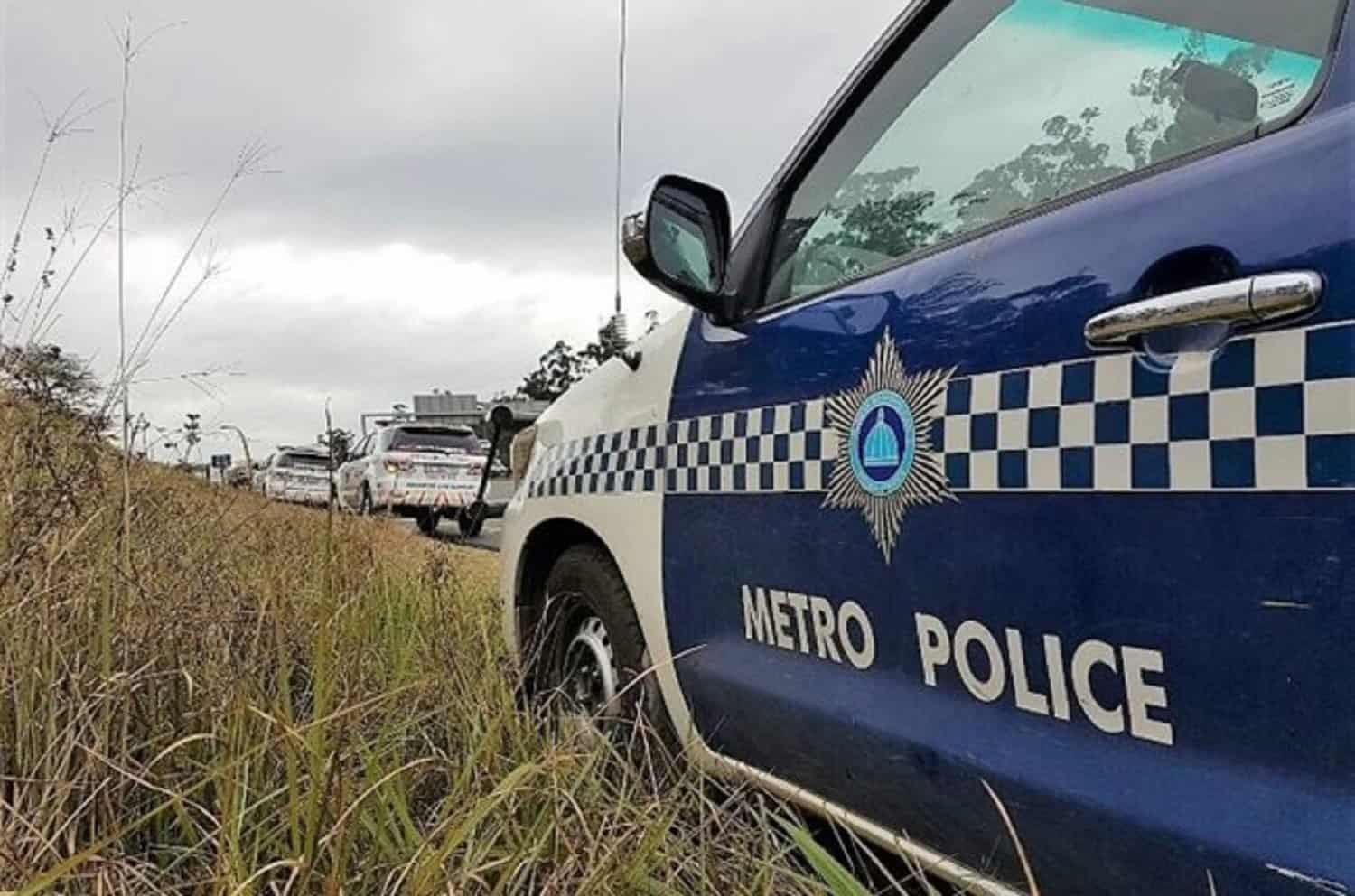
Recipients receive an SMS containing a link that appears related to AARTO (Administrative Adjudication of Road Traffic Offences). The message instructs the person to enter their vehicle registration number. The fraudulent site then falsely claims an outstanding infringement penalty exists and offers a 50% discount for immediate payment.
Motorists are strongly urged not to open or click the link. Doing so can expose personal details, banking information, or lead to direct financial loss, while any legitimate fines remain unpaid.
This fits a broader pattern of “ghost fine” or fake AARTO/traffic-fine scams that have increased in South Africa amid the phased AARTO rollout and public uncertainty about demerit points and electronic notices. Similar alerts have come from the Road Traffic Infringement Agency (RTIA) and other authorities throughout 2025–2026, often involving SMS, email, or WhatsApp messages with cloned payment pages, urgency tactics (e.g., “pay now or face further penalties”), and discount offers.
Official verification channels
If you receive a suspicious SMS (or any message claiming an outstanding AARTO infringement) and are unsure:
- Contact the RTIA National Call Centre: 0861 227 861 (also listed in some sources as 086 122 7861).
- Contact the Durban Metro Police Service AARTO Help Desk: 031 311 2861 / 2862 / 2863.
- Visit the only official AARTO website: www.aarto.gov.za (or the related online portal online.aarto.gov.za). Do not use any other site claiming to be AARTO.
Legitimate AARTO processes generally do not rely on unsolicited SMS links demanding immediate payment via unknown sites. Official notices follow prescribed channels, and discounts (where applicable) operate under fixed legal timelines rather than high-pressure “pay now for 50% off” offers.
Advice and next steps
- Delete the message and do not interact with the link or enter any details.
- Verify any real outstanding infringements only through the channels above or official municipal systems.
- Report suspected scams to the relevant authorities (DMPS, SAPS, or RTIA) so patterns can be tracked.
- Remain vigilant more broadly: check sender details carefully, avoid clicking unsolicited links, and confirm website URLs start with the correct official domain and use HTTPS.