




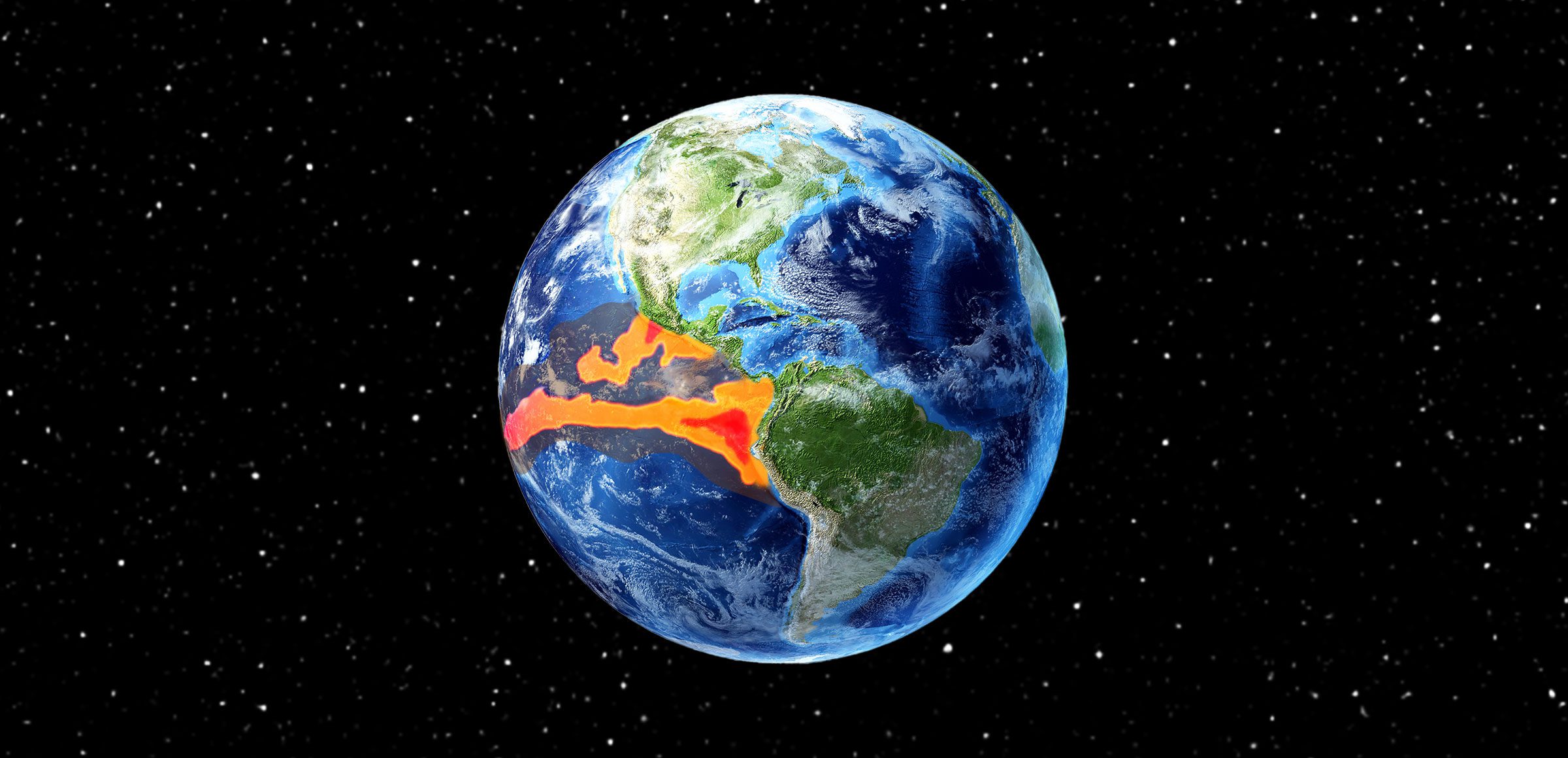
El Niño is a natural climate pattern driven by warmer-than-average sea surface temperatures in the central and eastern equatorial Pacific. It typically disrupts global weather, and for southern Africa it is historically linked to delayed or reduced summer rainfall, higher temperatures, more frequent/intense heatwaves, lower streamflows and dam inflows, increased evaporation, and elevated wildfire risk in late winter/spring. Forecasts from international agencies (including NOAA’s Climate Prediction Center and others) have indicated high probabilities—often cited in the 80%+ range for a very strong event—of conditions peaking around October–December 2026 and persisting into early 2027. Some models and analyses suggest it could rank among the strongest on record since at least 1950 (or earlier benchmarks).
Impacts on Water Security
South Africa’s water systems enter this period with mixed but generally better buffers than during the severe 2015/16 drought, thanks to recent wetter La Niña-influenced seasons that boosted soil moisture and many dam levels. However, risks remain:
- Key systems, such as the Western Cape Water Supply System, have been reported below year-earlier levels (e.g., around 77–78% vs. higher figures previously in comparable weeks in mid-August 2026). Individual dams show variation (some high, others lower).
- Major national dams like Gariep have been near or above full, providing some national cushion, while others lag.
- A drier, hotter summer would reduce inflows, increase evaporation, and raise the likelihood of restrictions, higher costs along the supply chain, and lower reliability—particularly in summer-rainfall regions (Limpopo, North West, Free State, Mpumalanga, Gauteng, and parts of the Eastern Cape interior). The winter-rainfall Western Cape is less directly affected by rainfall shortfalls but can still face pressure from heat and evaporation.
- Experts and the Department of Water and Sanitation have noted close monitoring and readiness to respond, while calling for conservation. Protecting strategic water catchments and grasslands is highlighted as a resilience measure.
Impacts on Agriculture and Food Security
Agriculture is highly exposed. Most of South Africa’s maize, sunflower, soybeans, and other staples are produced in the summer-rainfall regions. Expected effects include:
- Delayed planting, reduced rainfall during critical growth periods, heat stress during flowering/grain-filling, lower yields, higher irrigation demand, and poorer grazing/water availability for livestock.
- Historical precedents: Major El Niño events (e.g., 2015/16) caused sharp production drops (maize sometimes halved in extreme cases); the more recent 2023/24 event also reduced output notably.
- Current advantages include strong recent harvests, healthy carryover stocks, improved soil moisture, and relatively robust dam levels for irrigated production (all commercial fruit/vegetables and ~20% of field crops rely on irrigation). These provide a better starting point than previous droughts, but they do not eliminate risk if the dry/hot conditions prove prolonged or intense.
Food security implications extend beyond production. Domestic shortfalls could push up food prices (economists have already adjusted 2027 food inflation forecasts modestly higher in some cases), affecting consumers—especially the roughly 14 million South Africans already facing food insecurity. Regionally, the World Food Programme has warned that a strong El Niño could drive a sharp rise in acute food insecurity across Southern Africa (potentially ~75% increase, adding over 12 million people in the broader region), with global figures of nearly 49 million additional people at risk of acute hunger by end-2027 in vulnerable countries. South Africa is not among the most acutely projected countries but is a major regional producer/exporter whose output matters for neighbours; higher fertiliser/energy costs and trade disruptions could compound pressures.
SADC leadership has urged proactive resilience measures rather than purely reactive responses, noting the event could surpass the impacts of 2023/24 while overlapping with other shocks (recent floods in parts of the region, economic pressures). South African officials and agricultural analysts (including from the Agricultural Business Chamber) have similarly stressed preparation, monitoring of seasonal forecasts, and the relatively favourable starting conditions compared with past events.
Broader Context, Uncertainties, and Implications
Every El Niño differs in intensity, timing, and exact rainfall/temperature outcomes; models have limitations (especially earlier in the year due to the “spring predictability barrier”), and local factors (soil moisture, management practices, irrigation capacity) matter. Climate change may amplify extremes by intensifying the hydrological cycle (more intense droughts or floods in different places). Positive recent seasons give South Africa more buffer than in 2015/16, but prolonged dryness would still strain rainfed production, urban water systems, electricity demand (cooling), and inflation/interest-rate dynamics.
Economic knock-ons could include stickier food inflation, reduced agricultural GDP contribution, pressure on rural livelihoods, and potential effects on regional trade and humanitarian needs. Conservation of grasslands and catchments, efficient water use, drought-tolerant practices, early warning systems, and strategic stockpiles are repeatedly cited as ways to build resilience.
In summary, the threat is real and well-supported by current forecasts as of mid-August 2026, with the critical window being the upcoming summer season. South Africa is not starting from the most vulnerable position of recent decades, but proactive planning by farmers, water managers, conservationists, and policymakers remains essential to mitigate risks to water availability, crop/livestock output, food prices, and household food security. Ongoing monitoring of seasonal climate updates from SAWS and international centres will be important as the event evolves.